
US Central Command Names Securing Merchant Shipping and Blockade of Iran as Strait of Hormuz Priorities
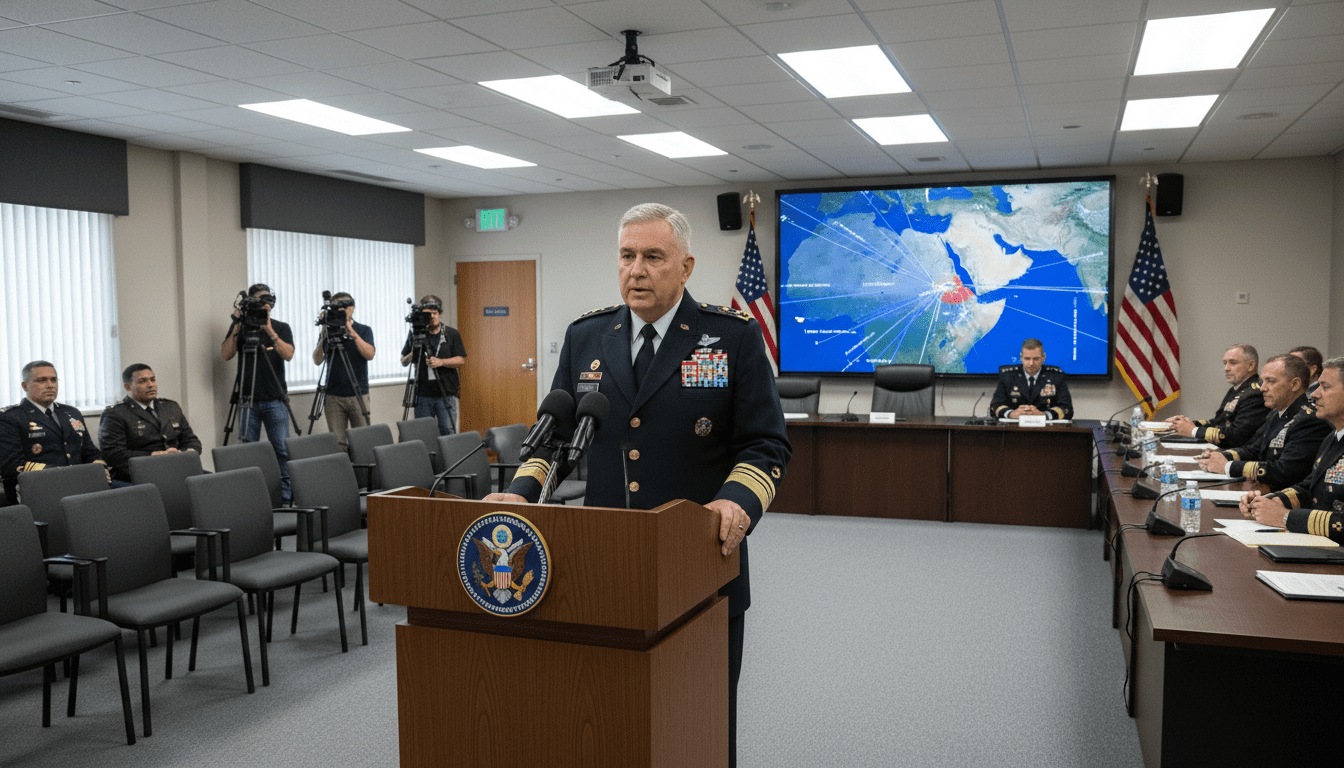
US Central Command says its immediate priorities in the Strait of Hormuz are ensuring safe merchant routes and enforcing a blockade on Iran, the commander’s spokesman told an exclusive interview. The remarks place the Strait of Hormuz at the center of renewed U.S. military focus amid rising tensions across the Gulf.
U.S. spokesman outlines operational priorities
In an exclusive interview, U.S. Central Command spokesman Tim Hawkins said the two central missions in the Strait of Hormuz are protecting merchant shipping and implementing a maritime blockade on Iran. He described those goals as complementary efforts intended to keep key international sea lanes open while applying pressure on Tehran.
Hawkins said naval and air assets will be positioned to escort commercial vessels and to deter what the command assesses as hostile activity by Iranian forces. He framed the blockade as a targeted measure designed to disrupt specific Iranian maritime capabilities rather than a broad closure of the waterway.
Measures to protect commercial traffic
CENTCOM plans, according to Hawkins, include routine convoy escorts, expanded surveillance, and coordination with merchant operators to minimize risk to civilian crews. The emphasis on merchant safety reflects concerns that commercial shipping through the Strait of Hormuz is vulnerable amid recent incidents involving military and paramilitary forces.
Commercial shipping groups and insurers have been briefed on new routing guidance and protective measures, the spokesman said, though he declined to provide operational specifics. He added that the U.S. will work with partners to maintain freedom of navigation while reducing the likelihood of accidental clashes.
Blockade objectives and military posture
Hawkins described the blockade objective as constraining Iran’s ability to project force and to move materiel by sea, while avoiding an escalation that would close the Strait entirely. The blockade, he said, is intended to be calibrated and reversible depending on Tehran’s actions and international diplomatic developments.
To enforce such measures, CENTCOM is relying on a mix of carrier strike groups, destroyers equipped with missile defenses, and maritime patrol aircraft. Hawkins emphasized that precision and intelligence collection will guide interdiction decisions, with legal advisors involved to ensure compliance with international law.
Regional reactions and diplomatic implications
Regional capitals have watched the U.S. posture closely, balancing concerns about security with fears of escalation. Gulf states that depend on uninterrupted oil exports have expressed support for measures that protect shipping, while urging restraint and diplomatic channels to defuse tensions.
Allies in Europe and Asia have been notified of the U.S. intentions, according to the spokesman, and some have offered logistics and intelligence support. Hawkins said CENTCOM seeks “burdensharing” arrangements to ensure maritime security efforts reflect a coalition approach rather than unilateral action.
Risk of escalation and commercial consequences
Maritime analysts warn that blockades in a narrow chokepoint like the Strait of Hormuz raise the risk of miscalculation, especially where commercial traffic mixes with military vessels. Shipping experts note that even short disruptions can spike insurance premiums, reroute tankers, and push up global energy prices.
Hawkins acknowledged the potential for unintended incidents but insisted that command-and-control measures and improved communication channels are in place to reduce such risks. He said protecting civilian life and maintaining open sea lines are the core priorities that will guide operational decisions.
Rules of engagement and legal framing
CENTCOM officials, Hawkins said, have reiterated rules of engagement designed to minimize civilian harm and ensure proportional responses to threats. Legal teams, he noted, will evaluate each interdiction under international maritime law and any relevant United Nations resolutions.
The spokesman also stressed the role of diplomatic backchannels to provide avenues for de-escalation as operations proceed. He characterized the current posture as a mix of deterrence and calibrated pressure aimed at compelling behavioral change without provoking broader conflict.
The situation in the Strait of Hormuz remains fluid, with U.S. military spokesmen stressing both the necessity of protecting merchant shipping and the intent to limit escalation while enforcing maritime pressures on Iran. Further operational details were withheld as forces adjust to evolving security assessments and partner consultations.
