
Asian energy transition accelerates as Iran war chokes oil and gas supplies
Asian energy transition accelerates after Iran war disrupts oil and gas flows; nations import Chinese solar panels en masse while facing grid strain and strategic dependency risks.
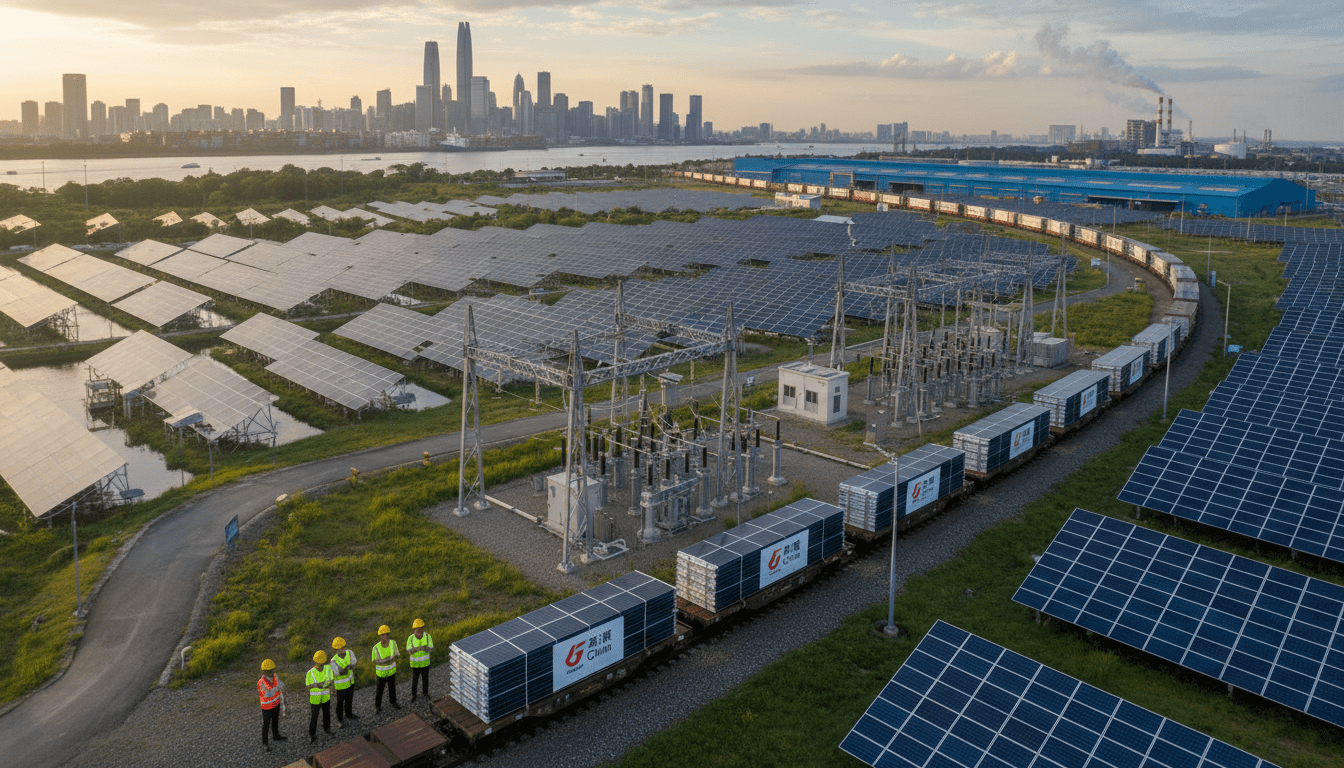
The Asian energy transition has entered a new, urgent phase as the Iran war and disruptions through the Strait of Hormuz choke oil and gas deliveries, forcing governments to pivot rapidly toward renewables. Countries from Malaysia to the Philippines and Indonesia are buying Chinese solar panels and fast‑tracking projects to plug immediate shortfalls while seeking long‑term energy security. The shift is being framed less as climate policy and more as a strategic response to supply shocks and spiking fuel costs.
Strait of Hormuz disruptions trigger immediate shortages
The Iran war has narrowed supplies of oil and LNG passing the Strait of Hormuz, and Asian utilities and industries that rely on those shipments are feeling the effects almost immediately. Malaysia declared an energy “crisis,” restricted official travel and cut fuel subsidies as local reserves dwindled and imports were delayed. Elsewhere in South and Southeast Asia, households and businesses face reduced gas supplies, higher transport and refrigeration costs, and rising food prices linked to energy shortages.
Malaysia’s emergency purchase and policy shift
Kuala Lumpur responded by importing solar panels at scale, bringing in roughly 1.8 gigawatts of photovoltaic capacity in March, a near 400 percent increase from the prior month. The government has set medium‑term targets to raise renewables to about 40 percent of the power mix within ten years and as much as 70 percent by 2050, making solar and wind strategic priorities rather than solely environmental goals. Officials argue that locally generated green power is now a form of “independence” from volatile global fuel markets.
National pledges push renewables into the fast lane
Across the region, leaders have announced ambitious deployment plans: the Philippines expects to add more than 1.3 gigawatts this month from solar, hydro and wind projects and aims for renewables to supply half of electricity by 2040. Vietnam has accelerated similar targets, and Indonesia’s president has pledged extraordinarily rapid rollout of solar capacity, signaling a national drive to diversify away from imported fuels. These announcements mark a decisive policy shift from fossil‑fuel reliance to rapid clean‑energy expansion driven by geopolitical risk.
China’s manufacturing edge raises new strategic concerns
The scramble for panels has amplified China’s dominant position in solar manufacturing, with an outsized share of module, wafer and polysilicon production worldwide. That dominance has enabled an export surge — with shipments and production capacity spiking in recent months — but it also risks trading one dependency for another. European regulators and analysts have warned that strategic reliance on a single supplier for core solar inputs could constrain future policy choices and give Beijing leverage similar to past concerns over rare earths.
Grid constraints and storage shortfalls limit immediate gains
Rapid installation of solar and wind capacity has produced clear benefits, yet grid integration problems are already apparent. India, for example, added tens of gigawatts of renewable capacity in the past year but experienced curtailment and significant losses during periods of transmission congestion and inadequate storage, revealing that generation alone does not guarantee reliable supply. Many Southeast Asian grids lack sufficient battery storage, flexible transmission, and demand‑management tools to absorb large intermittent inputs without system stress.
Nuclear interest resurfaces amid governance worries
Limited land, grid limits and storage gaps have prompted some states to revisit nuclear options, including small modular reactors (SMRs), as potential complements to renewables. Singapore and other governments are exploring SMRs in partnerships with overseas firms as a means to secure baseload power without dependence on fossil imports. However, experts caution that weak regulatory frameworks, corruption risks and limited transparency in several countries could make nuclear projects politically and technically hazardous, with consequences that could transcend national borders.
The Asian energy transition now moves forward under duress: propelled by immediate supply shocks and financial stress rather than long‑term climate timetables, it is producing rapid deployment and sizable imports from China while exposing gaps in grids, storage and governance. Policymakers face a narrow window to convert urgent purchases into resilient, diversified systems by investing in transmission, batteries, local manufacturing and stronger oversight, or risk exchanging one strategic vulnerability for another.
