
Iranian seafarers killed: Union reports 44 dead amid US-Israeli strikes and naval blockade
Union reports 44 Iranian seafarers killed and 29 injured since Feb 28 amid US-Israeli strikes, a naval blockade and ship seizures blocking the Strait of Hormuz.
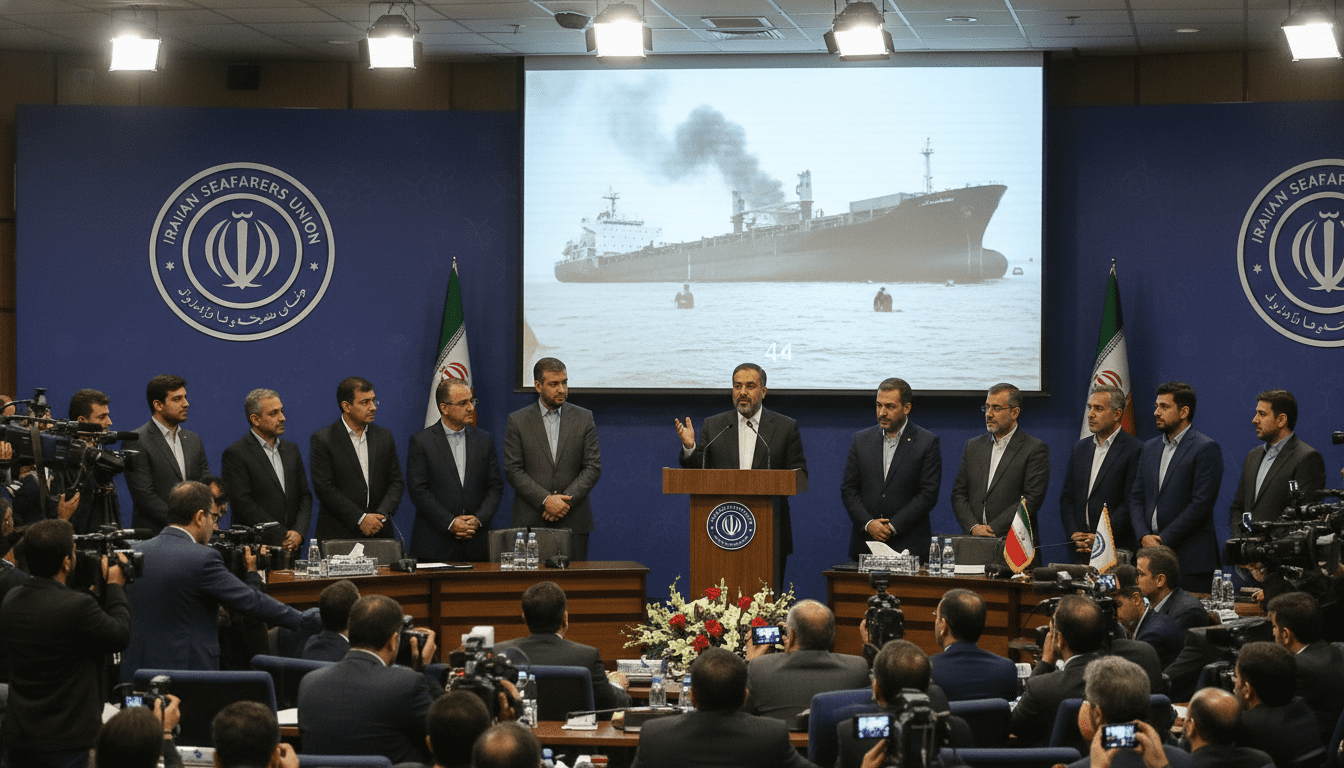
The head of Iran’s merchant marine union says 44 Iranian seafarers have been killed and 29 wounded since the outbreak of the United States-Israel military campaign against Iran, framing the casualties as linked to strikes and maritime operations. The claim that “Iranian seafarers killed” is the central allegation in letters submitted to the International Maritime Organization, according to the union’s general-secretary. Al Jazeera reported the union’s figures but noted they could not be independently verified.
Union provides casualty breakdown
Saman Rezaei, general-secretary of the Iranian Merchant Mariners Syndicate, told reporters the dead included 22 civilian sailors, 16 fishermen and six dock workers killed between February 28 and April 1. He said the union’s list of victims was compiled with information from Iran’s Ports and Maritime Organization and from members of the syndicate. Rezaei also reported at least nine people missing and dozens more injured in the same period.
Letters to IMO allege attacks on ports and fleets
Rezaei said he lodged multiple formal complaints with the International Maritime Organization in March and April, laying responsibility for the losses at the feet of US and Israeli military action. The letters, he said, accuse strikes on Iranian ports and commercial vessels across Iran’s territorial waters and in the Gulf. The syndicate is affiliated with the International Transport Workers’ Federation and says it has been providing humanitarian, medical and repatriation aid to affected seafarers.
Conflict intensity and military measures cited
Independent monitoring cited by the union places the scale of military activity across the region at unprecedented levels, with thousands of air strikes and hundreds of retaliatory actions since late February. Rezaei and union officials argued those operations have transformed commercial shipping lanes into hazardous zones for civilian crews. Separately, the union says a US-led naval blockade imposed in mid-April aimed at cutting Iran’s oil exports has further intensified risks to mariners and vessels.
Strait of Hormuz closure and stranded crews
The shutdown of the Strait of Hormuz has had a dire operational impact on global energy shipping and on the welfare of seafarers, the union says. The waterway, critical to world energy flows, was effectively closed at the start of the conflict and the syndicate estimates tens of thousands of crew are stranded around the strait. Prolonged confinement, limited supplies and restricted access to medical care have compounded both physical and psychological hardships for those aboard detained or immobilized ships.
Seizures and detentions escalate tensions at sea
In recent weeks, the syndicate reported several high-profile seizures: two Panama- and Liberia-flagged cargo vessels were taken on April 22, while US forces detained the Iranian-flagged MV Touska in the Gulf of Oman on April 19. Union officials said the Touska’s crew included more than 20 seafarers plus cadets and family members, and that a small number were subsequently released and returned to Iran. US military statements accused the vessel of violating the naval blockade, and US officials have cited prior concerns about the ship’s activities.
Humanitarian and psychological toll on civilian crews
Union leaders described a mounting humanitarian crisis affecting seafarers who are civilians with limited capacity to leave contested waters. Crews face shortages of food, medicine and essential supplies after weeks trapped in a theatre of operations that stretches from the Gulf into the Indian Ocean. Rezaei warned of “severe psychological distress” among seafarers after prolonged exposure to danger and isolation, and said syndicate teams are attempting to deliver emergency assistance where possible.
Verification gaps and international responses
While the syndicate has presented its casualty list to the IMO and international partners, independent verification of the full tally remains incomplete, and a major maritime agency did not reply to requests for comment. The IMO has, however, acknowledged that attacks in the Gulf have resulted in at least ten seafarer fatalities attributed to Iranian strikes since the conflict began. The International Transport Workers’ Federation has urged states and maritime authorities to treat seafarers as civilians and to prioritize their protection amid enforcement measures and sanctions.
The union’s claims add to mounting concern over the human cost of maritime operations tied to the conflict, underscoring calls from labour groups and maritime organisations for safe corridors, humanitarian access and impartial investigations into reported incidents.
