
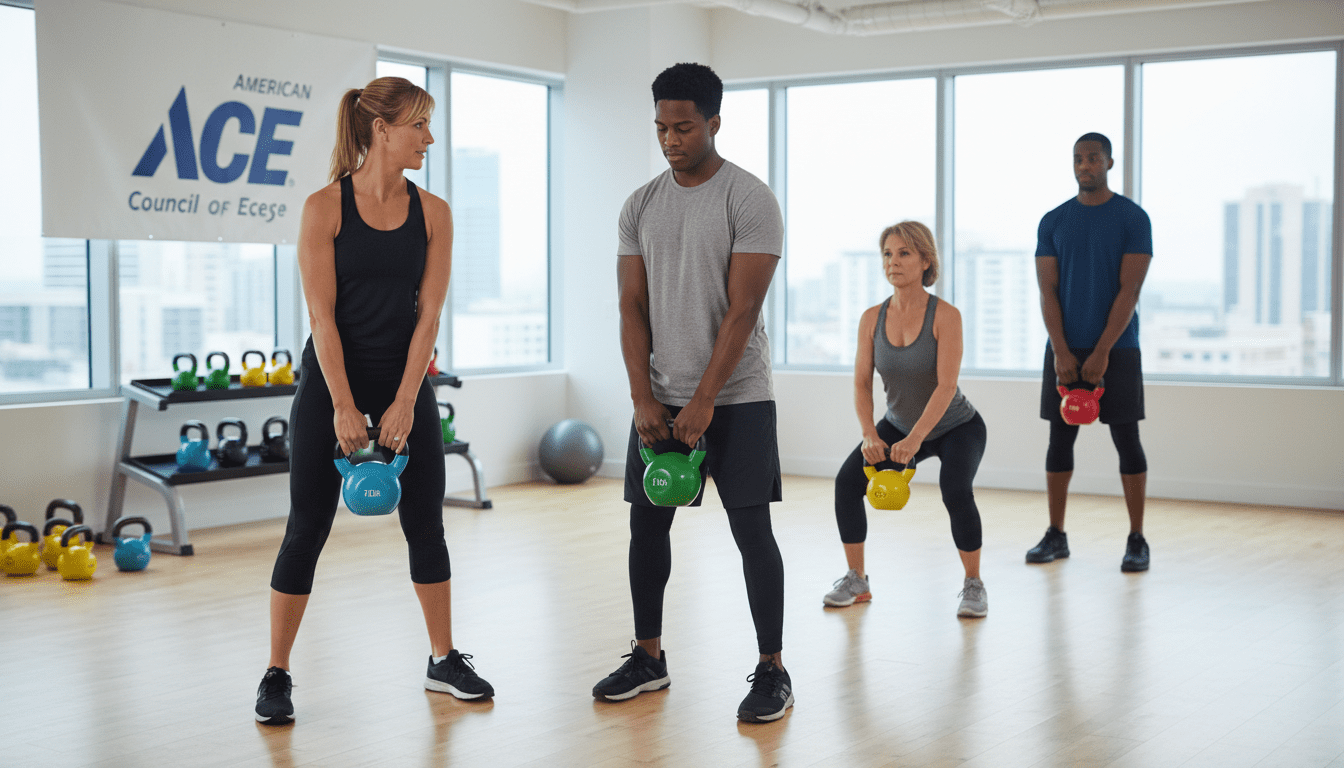
Kettlebell Workout Guide: How to Choose Weight, Master Six Moves, and Stay Safe
Practical guide to a kettlebell workout: choose the right weight, learn six full-body moves, and follow safety and ACE recommendations for beginners to advanced.
Kettlebell training is gaining traction as an efficient full‑body exercise that combines strength, cardio and balance in a single session. This kettlebell workout primer explains how to pick the right weight, outlines six foundational moves for a total‑body routine, and summarises safety guidance and progression strategies. Fitness professionals say properly programmed kettlebell work can deliver measurable fitness gains while remaining cost‑effective for at‑home training.
Experts Recommend Starting with Lighter Kettlebells
Beginners should prioritize form over load to reduce injury risk and establish movement patterns. Guidance commonly suggests women begin with kettlebells in the range of roughly 4–7 kg (8–15 lb) and men with about 7–11 kg (15–25 lb), moving up only when control and technique are consistent. Intermediate and advanced lifters may progress to heavier implements — for many women around 8 kg (18 lb) and for many men around 16 kg (35 lb) — depending on the exercise and training goals. Selecting a weight that is challenging but not uncontrollable is the key to safe progression.
Six Moves That Make Up the Full‑Body Kettlebell Workout
A compact circuit of six kettlebell moves can work nearly every major muscle group when performed correctly and repeated for multiple rounds. The core sequence typically includes goblet squat to overhead press, bent‑over one‑arm row, two‑handed kettlebell swing, bridge with single‑arm chest press, single‑arm kettlebell clean, and the kettlebell deadlift. Each move emphasizes different mechanics — squatting, hinging, pressing and pulling — so alternating them in a circuit provides both strength and metabolic load. Performing 10–15 repetitions per exercise and repeating the circuit three to four times creates a time‑efficient full‑body session.
How Kettlebells Deliver Cardio and Strength Gains
Kettlebell swings and circuit formats increase heart rate while engaging large muscle groups, producing a hybrid stimulus that improves cardiovascular capacity and muscular endurance. Because many kettlebell exercises require coordinated hip drive and full‑body tension, they can improve aerobic fitness in ways similar to interval training when programmed with sustained effort. The implement’s off‑center handle creates dynamic stability demands that also challenge core control and grip strength. For athletes and recreational exercisers alike, kettlebell workouts can be a potent complement to traditional resistance and aerobic training.
Who Should Use Caution or Avoid Kettlebell Training
Certain medical conditions warrant medical clearance or modified programming before undertaking kettlebell work. Individuals with osteoporosis, uncontrolled high blood pressure, recent cardiac events or other serious cardiovascular conditions may be at elevated risk with heavy or ballistic kettlebell movements. Pregnant people are generally advised to consult a healthcare provider and, in many cases, avoid high‑impact or high‑load kettlebell maneuvers. Older adults can benefit from kettlebell training for balance and strength but should progress conservatively and seek professional instruction when uncertain.
Simple Safety and Recovery Guidelines
Warm up thoroughly for five to ten minutes with light aerobic movement and mobility drills to prepare muscles and joints for dynamic loading. Avoid training with kettlebells on consecutive days to allow recovery, and increase volume and weight gradually rather than making large jumps. Use steady, controlled movement patterns: do not lock joints at the top of lifts, and keep a neutral spine and braced core during swings and deadlifts. Footwear should provide stable traction and arch support, and working with a certified coach for at least a few sessions can reduce technical errors that lead to injury.
At‑Home Training and Cost Considerations
Kettlebells are compact and durable, making them a practical investment for people who prefer home workouts or lack access to a full gym. A small collection of kettlebells covering a few weight increments can support progression across strength and conditioning goals without the footprint of larger equipment. Buying a single adjustable kettlebell or a couple of fixed weights covers most beginner to intermediate needs and can be more economical than recurring gym memberships. Safety remains paramount at home: ensure adequate floor space, a non‑slippery surface, and clear surroundings before starting any kettlebell session.
Kettlebell workouts offer a versatile, efficient way to build strength, improve cardiovascular fitness and enhance balance when chosen and executed with attention to form and individual health status. Start light, warm up, monitor how your body responds, and seek guidance if you have health concerns or technical questions.
