
Ship seizures in the Strait of Hormuz draw condemnation from International Chamber of Shipping
International Chamber of Shipping condemns ship seizures in the Strait of Hormuz, urges immediate release of crews and restoration of freedom of navigation.
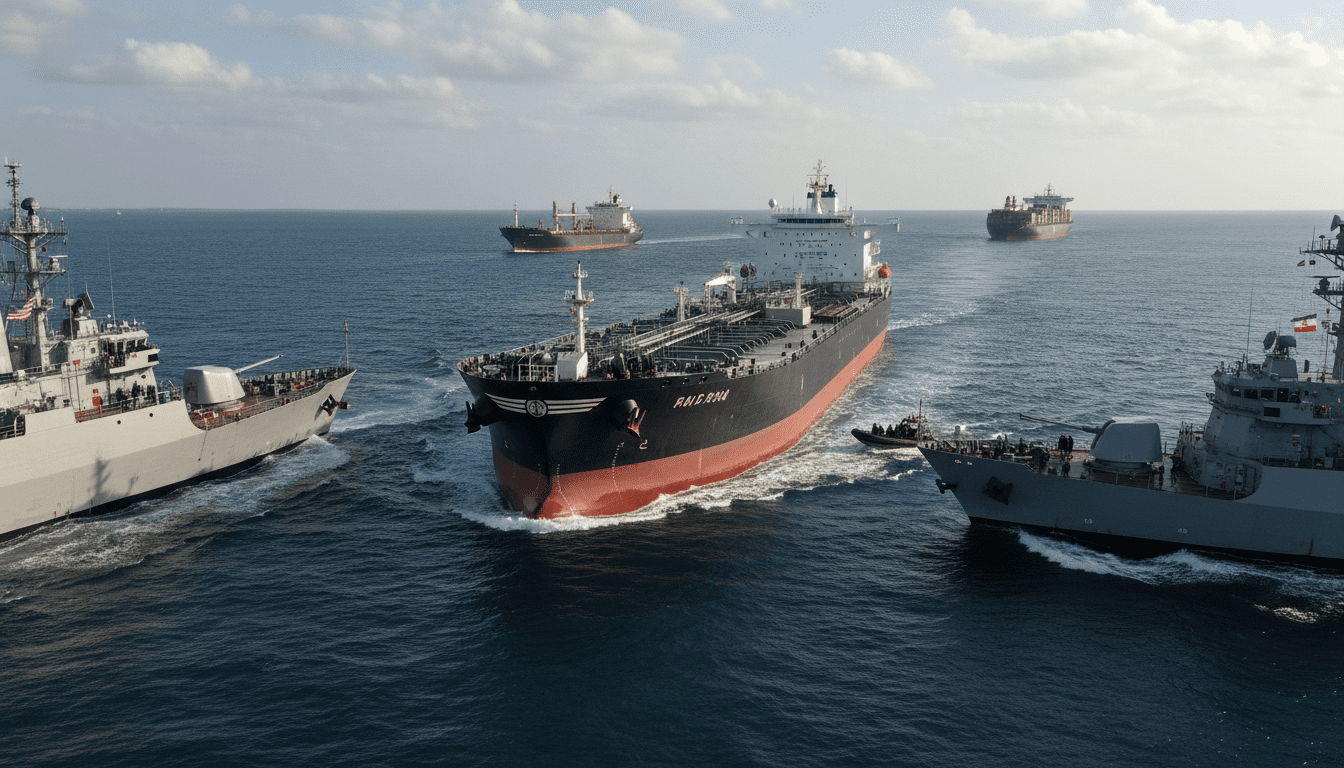
The International Chamber of Shipping has strongly condemned the recent ship seizures in the Strait of Hormuz and called for the immediate release of detained crews, saying seafarers must be allowed to carry out commercial trade without persecution. John Stawpert, the Chamber’s marine director, warned that the detentions by Iranian and United States forces threaten longstanding principles of freedom of navigation. Over the past week both Washington and Tehran announced the capture of commercial vessels, raising alarm among shipowners and prompting urgent pleas for the wellbeing of crew members.
International Chamber of Shipping demands crew releases
In comments made during an interview with Al Jazeera, Stawpert urged both states to free sailors held after the incidents and to stop using merchant vessels as leverage in political disputes. He said the Chamber, which represents roughly 80 percent of the global merchant fleet, views the detentions as an affront to international maritime norms. The organisation stressed that merchants engaged in lawful trade should not face detention or prosecution for political aims.
Details of the recent vessel seizures
US officials reported the seizure of the Iran-linked Majestic X in the Indian Ocean after alleging it was transporting sanctioned oil, following a separate interception of a vessel named Tifani earlier in the week. Iran’s Islamic Revolutionary Guard Corps announced it had taken control of the Panamanian-flagged MSC Francesca and the Greek-owned Epaminondas, accusing them of operating without required permits and of tampering with navigation systems. The Philippines confirmed that 15 Filipino seafarers were among the crews on the Iranian-seized vessels, and Montenegro’s maritime minister said four Montenegrin crew members aboard MSC Francesca were reported safe.
Legal and navigational concerns raised
Stawpert challenged Iran’s suggestion that it could levy tolls or charges on passage through the Strait of Hormuz, saying such claims lack grounding in established international law governing transit and innocent passage. He warned that allowing tolls or ad hoc restrictions in the strait would set a precedent that could be emulated in other chokepoints such as the Straits of Gibraltar or Malacca. The Chamber urged adherence to the United Nations Convention on the Law of the Sea principles that protect commercial navigation through international waterways.
Operational uncertainty for shipping companies
Shipowners and operators face growing uncertainty as both the US and Iran have moved to interdict commercial traffic in and beyond Gulf waters, and some naval actions have included a blockade of Iranian ports, according to industry statements. Stawpert said shipping companies lack clarity about the criteria used by either side to target vessels, complicating decisions on routing, insurance and crew safety. That operational ambiguity is prompting some operators to delay departures or reroute around the region, increasing voyage times and costs.
Humanitarian toll on seafarers stranded in the Gulf
Industry representatives estimate that roughly 20,000 seafarers have been left effectively stranded in Gulf waters as normal transit has fallen sharply since the outbreak of hostilities that began on February 28, 2026. Stawpert described mounting concerns over crew welfare, noting the prolonged uncertainty and restricted operations are beginning to take a psychological and logistical toll on mariners. He appealed for urgent measures to ensure access to medical care, rotations and other routine support services that are being disrupted by the situation.
Impact on global energy supplies and trade flows
The partial closure of the Strait of Hormuz — a conduit that typically carries about one-fifth of the world’s oil and gas — has already contributed to upward pressure on fuel prices and prompted some governments to enact emergency energy-saving measures. Maritime traffic through the waterway has plunged compared with pre-conflict levels, with reports indicating only a handful of transits in the most recent 24-hour period versus a United Nations Trade and Development average of 129 daily transits before the February 28 escalation. Reduced capacity and longer detours around the region are expected to add cost and delay to global supply chains.
The International Chamber of Shipping concluded by reiterating its call for both Iran and the United States to respect freedom of navigation and to release detained crews immediately. Industry leaders say restoring predictable commercial passages and clarifying the legal framework for transit are essential steps to prevent further disruption to maritime trade and to safeguard the welfare of seafarers navigating one of the world’s most critical shipping corridors.
