
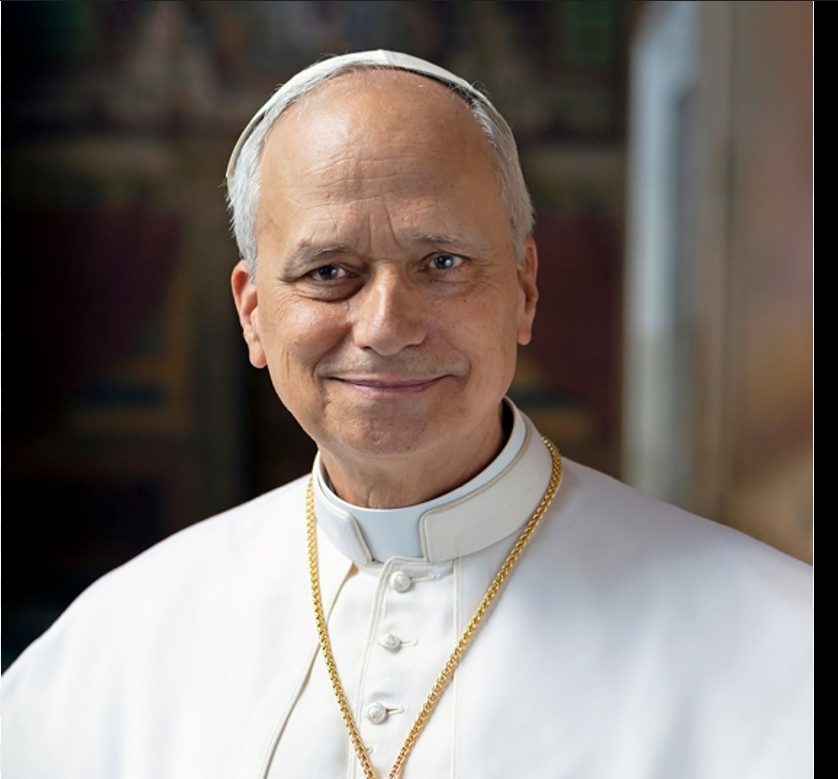
Pope Leo XIV Condemns Warmongering in Cameroon, Criticizes Misuse of Religion Amid U.S. Fallout
Pope Leo XIV denounced global warmongering during a visit to Cameroon, warning that the world is being damaged by a few tyrants while sustained by countless ordinary people. The pope’s remarks, aimed at the human and financial cost of prolonged conflict, came as tensions with U.S. political figures have intensified. His comments and subsequent rebukes of the politicization of faith have prompted a fresh debate over religion’s role in contemporary geopolitics.
Papal address in Yaoundé highlights human cost of conflict
The pope told crowds in Cameroon that a small number of leaders are destroying communities while the wider population bears the consequences of war. He warned that instant violence can erase livelihoods that take lifetimes to rebuild and noted the vast sums spent on destruction rather than recovery.
His remarks focused on the long-term social and economic toll of armed conflict, urging a shift from militarized responses to efforts that protect human dignity. The Vatican framed the message as part of a broader pastoral mission on the African leg of his trip.
Pope and U.S. president trade public barbs over geopolitics
The remarks arrive amid a public rift between Pope Leo XIV and U.S. President Donald Trump, who has sharply criticized the pope for what he calls naiveté on geopolitical matters. Trump defended his critique in public statements, insisting he is acting in the national interest while calling the pope a “great guy” in personal terms.
The pope, the first U.S.-born pontiff to lead the global Catholic Church, indicated he would not be cowed by pressure from the White House. Vatican aides said the pope’s interventions on peace and human rights reflect long-standing papal concerns rather than partisan positioning.
Pope condemns instrumentalizing faith after Pentagon remarks
The pope explicitly denounced the manipulation of religion for political or military ends, responding to recent comments from U.S. officials that framed critics and journalists in adversarial religious language. He wrote on social media that those who use the name of God to justify violence and political aims bring the sacred into disgrace.
Criticism of the Pentagon official’s comparison of journalists to biblical adversaries has underscored the pope’s warning about the corrosive effects when religious rhetoric is employed to dehumanize opponents. The Vatican characterized the intervention as a call for ethical consistency in public discourse.
Religious rhetoric intensifies amid Iran-related tensions
Observers noted an uptick in explicitly Christian language from some U.S. leaders discussing the conflict with Iran, with rescue operations and battlefield events described in providential terms. Both President Trump and senior officials have invoked faith-based language to frame military successes and justify robust action.
The pope’s remarks pushed back against that trend, stressing that faith language must not be repurposed to sanction violence. His statement emphasized pastoral responsibility and the moral limits of deploying sacred narratives in a way that might inflame rather than heal.
Polling shows public skepticism about president’s religiosity
Recent polling cited by analysts indicates broad skepticism among Americans about President Trump’s personal religiosity, a factor that complicates his use of faith-based rhetoric. The survey results referenced suggest only a small share of the public regards him as “very religious,” and even among core supporters a minority assign him that label.
Political analysts say those perceptions may blunt the persuasive power of religious language in national security debates and could intensify scrutiny of leaders who fuse faith and policy. The pope’s intervention, they add, resonates differently in countries where public trust in political uses of religion is low.
Vatican frames message as call for peace and moral clarity
Vatican officials described the pope’s Cameroon address as part of a sustained push for peace, protection of the vulnerable, and accountability for those who profit from conflict. They underscored that the pope’s point was not to single out particular governments in his sermon but to reiterate a universal moral injunction against warmongering.
The Holy See further signaled it will continue diplomatic outreach across regions affected by violence while maintaining pastoral outreach to displaced and suffering populations. The pope’s itinerary in Africa will include meetings intended to highlight humanitarian needs and encourage reconciliation.
Pope Leo XIV’s comments have sharpened a public conversation about the intersection of faith, power and foreign policy, and they are likely to reverberate as international leaders respond to ongoing crises. Observers say the exchange between the Vatican and U.S. political figures reveals deeper tensions about how religious authority should engage with the conduct of war and diplomacy.
