
Iran uranium enrichment dispute halts US-Iran ceasefire talks
Iran uranium enrichment talks in Islamabad collapsed as the US demanded a 20-year suspension and Iran offered five years, stalling ceasefire negotiations and verification plans.
Diplomatic talks in Islamabad end without agreement
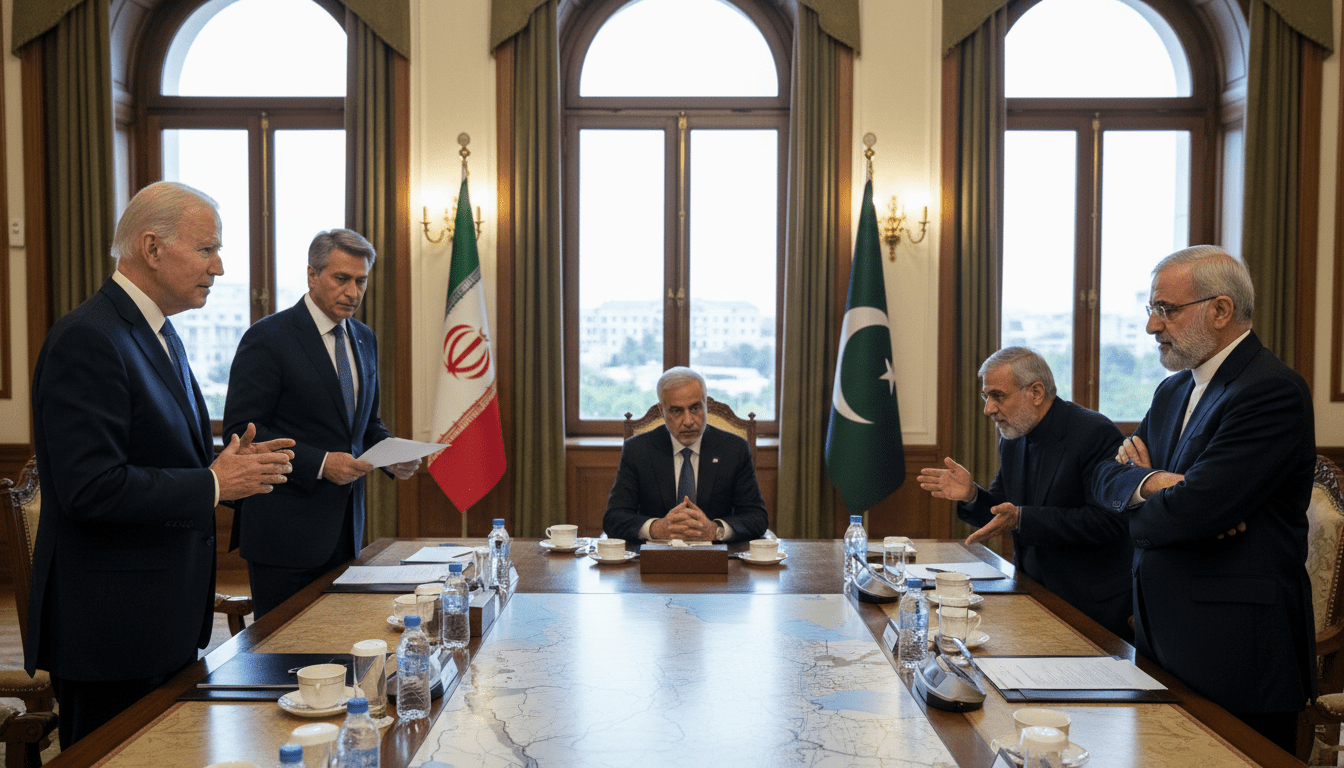
High-level teams from the United States and Iran met in Islamabad last weekend but left without a deal after disagreements over Iran’s uranium enrichment timeline. Pakistan hosted the talks and is reportedly seeking to reconvene both sides for a second round of negotiations.
US officials pushed for a two-decade suspension of Iran’s uranium enrichment in exchange for sanctions relief, while Tehran countered with a five-year moratorium, according to multiple accounts of the meeting. The disagreement over the duration of any suspension emerged as the key stumbling block that prevented a ceasefire pact.
Duration dispute at center of the collapse
Washington frames the 20-year demand as a mechanism to remove Iran’s near-term ability to produce weapons-grade material and to create a durable verification regime. Tehran has rejected a long-term ban, offering instead a shorter period of restraint that it says would still allow for civilian nuclear activity to be preserved.
Experts quoted in reporting described the debate as a bargaining process in which both sides seek to protect domestic political capital and long-term strategic options. The numerical gap — five versus twenty years — reflects deeper mistrust and differing endgames on both sides rather than purely technical considerations.
Technical stakes and weaponization timelines
Uranium enrichment increases the proportion of the fissile isotope U-235 and is measured in percentages that correspond to civilian and military uses. Low-enriched uranium below 20 percent is typically used for civilian reactors, while enrichment above that threshold speeds the pathway toward weapons-grade material at roughly 90 percent U-235.
International monitors have highlighted that Iran’s current stockpile and enrichment levels materially shorten any theoretical timeline to a weapon if political will were to shift. IAEA assessments cited in reporting noted that quantities of higher-enriched uranium can greatly reduce the time needed to reach weapons-grade levels.
Known stockpiles and damaged facilities complicate verification
Reports indicate Iran holds several hundred kilograms of uranium enriched to high levels, with a sizeable portion reportedly stored at underground sites including Isfahan and Natanz. Those facilities were damaged during the previous 12-day conflict and have been targeted again during the current fighting, raising questions about the condition and accessibility of stored material.
Uncertainty over the exact location, condition and integrity of enriched material makes any suspension or rollback diplomatically and technically complex. Inspectors would need robust access and safeguards to confirm reductions or limits on enrichment, a requirement Washington has emphasized repeatedly.
Historical precedents shape current positions
The Joint Comprehensive Plan of Action established caps on enrichment levels, centrifuge numbers and stockpile size, with commitments measured in years for different restrictions. Under that accord, Iran limited enrichment to 3.67 percent for 15 years and accepted limits on centrifuge deployment, but the United States withdrew from the deal in 2018 and reimposed sanctions.
Both sides now reference the JCPOA experience as a backdrop: critics in Washington argued earlier timelines were too short, while Tehran points to past concessions to argue for more balanced terms. These historical grievances feed political narratives on both sides and shape negotiators’ mandates.
Political incentives for Washington and Tehran
For the US administration, securing a long-term suspension can be presented domestically as a concrete check on Iran’s nuclear capacity and a measurable outcome of military and diplomatic pressure. Officials leading the US delegation have stressed the need for mechanisms that ensure Iran cannot rapidly reconstitute a weapons capability.
Iran, meanwhile, seeks to preserve a civilian nuclear capability and to avoid permanent curbs that would limit future technological and energy policy choices. Iranian negotiators appear willing to offer a time-bound compromise but resist what they view as effectively irreversible denuclearization of their enrichment program.
Both capitals are also navigating domestic politics that reward firmness and complicate compromise, a factor that analysts say helps explain the current impasse.
Verification, sanctions relief and the road ahead
Any renewed agreement will hinge not only on a timeline for enrichment but on concurrent arrangements for inspections, material accounting and the sequencing of sanctions relief. Washington insists on binding verification tools, while Tehran has sought assurances that sanctions will be eased in a reliable and timely manner.
With Islamabad now trying to broker a follow-up round, negotiators face a narrow window to bridge substantive technical gaps and political red lines. Observers note that without significant concessions on both sides, talks may remain stalled and the ceasefire effort constrained.
The failure to reconcile the U.S. demand for a 20-year suspension with Iran’s five-year proposal underscores how nuclear technicalities intersect with political strategy, leaving a fragile ceasefire negotiation dependent on resolving both verification mechanisms and the duration of limits on Iran’s uranium enrichment.
