
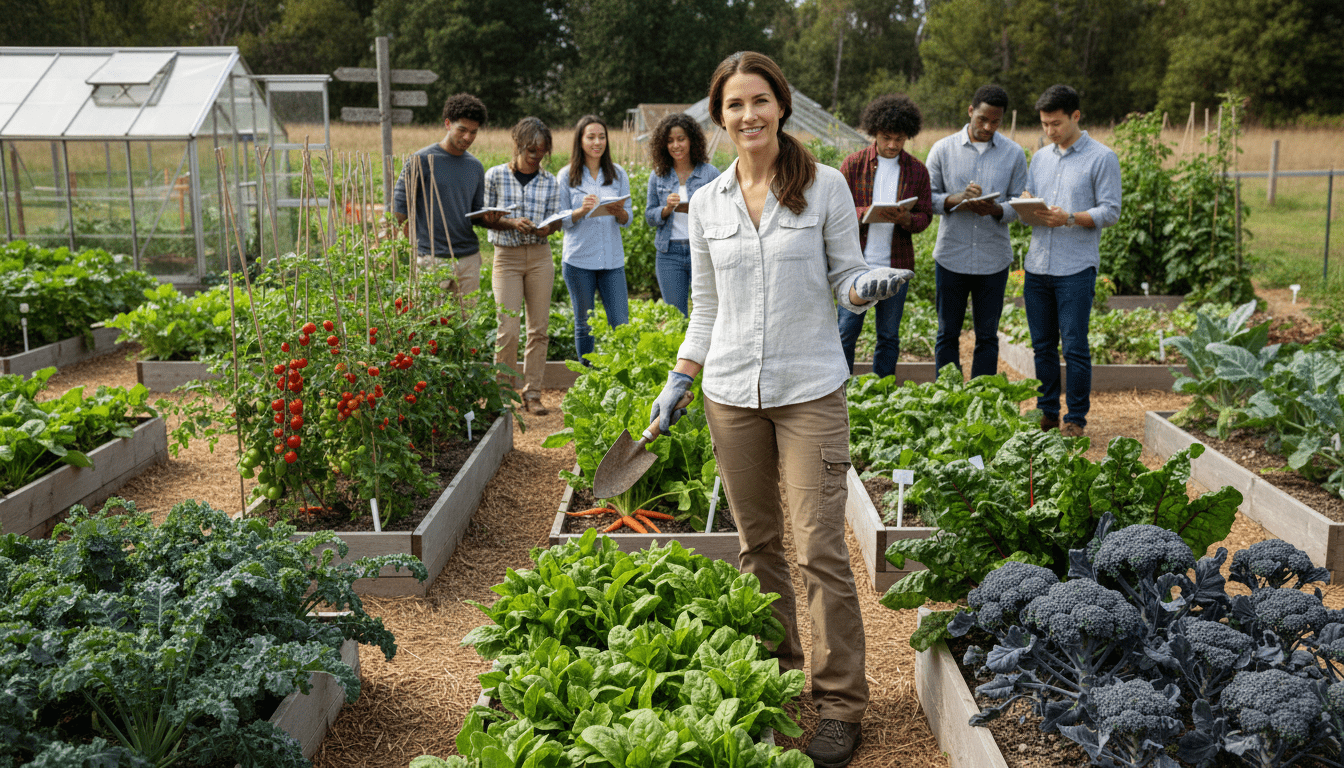
Six Easy Vegetables to Start Your Vegetable Garden This Season
Celebrate World Plant a Vegetable Garden Day on May 19, 2026. Learn six easy vegetables to grow at home with planting tips, harvest times and nutrition benefits.
Planting season advice and practical how-to guidance arrive as World Plant a Vegetable Garden Day approaches on May 19, 2026, encouraging beginners to try a vegetable garden at home. The six vegetables most recommended for new gardeners—bell peppers, carrots, cucumbers, green beans, spinach and tomatoes—are chosen for ease of care, predictable harvest windows and clear nutritional value. This guide outlines basic planting requirements, expected timelines and the health benefits of harvesting produce from your own backyard or balcony.
Six Easy Vegetables to Start Your Vegetable Garden
Starting with a small, focused list helps new gardeners build confidence and steady yields in a single season. Each of the six vegetables listed thrives under straightforward conditions: plenty of sun for fruiting crops, looser soil for roots, and consistent moisture for leafy and vining plants. Choosing the right spot and following simple spacing and watering rules increases the likelihood of success for first-time vegetable gardeners.
Bell Peppers and Tomatoes — Sun-Loving Choices
Bell peppers and tomatoes perform best in full sun and warm conditions, making them reliable picks for a vegetable garden when placed in a bright, sheltered site. Plant seedlings rather than seeds for faster results, spacing bell pepper plants roughly 10–15 cm apart and tomatoes about 45 cm apart depending on variety, and provide support for indeterminate tomato types. With regular watering and feeding, bell peppers typically mature in about 60–80 days, while many tomato varieties are ready to harvest in roughly 60–90 days.
Carrots and Spinach — Root and Leaf Essentials
Carrots and spinach are productive choices for gardeners seeking early and continuous harvests, and both adapt well to containers and raised beds. Sow carrot seeds thinly and aim for about 7–10 cm between plants to reduce overcrowding, while spinach can be set 15–20 cm apart; both prefer loose, well-drained soil to support root development. Expect spinach leaves to be harvestable in about 40–50 days and most carrots to reach maturity in 60–80 days, with the option of pulling some early for baby roots.
Cucumbers and Green Beans — Vines, Trellises and Space
Cucumbers and green beans reward gardeners with fast growth and high yields when given room to climb, although bush bean varieties avoid the need for trellising. For cucumbers, plant seedlings approximately 30 cm apart and consider a trellis to save space and improve air circulation; cucumbers are often ready in 50–65 days. Green beans planted 15 cm apart will usually produce in about eight weeks; vining bean varieties will need vertical support while bush types mature compactly.
Basic Planting and Care Practices for New Gardeners
Soil preparation is a first priority: mix organic matter into the planting area to improve drainage and fertility, and check pH for crops that prefer neutral to slightly acidic conditions. Water deeply and consistently, aiming to keep soil evenly moist rather than letting it dry completely between waterings, and mulch to conserve moisture and suppress weeds. Seedlings give beginners a head start on timing, while direct sowing works well for carrots, beans and some cucumbers; follow seed packet guidance for planting depth and local frost dates.
Containers and window boxes expand the possibilities for people without a yard, allowing a vegetable garden on balconies or patios with the right potting mix and drainage. Use larger containers for tomatoes and peppers, and shallow, wide pots for carrots and spinach, and remember that container-grown plants typically require more frequent watering and feeding than those in the ground.
Nutritional Payoff of a Homegrown Vegetable Garden
Homegrown vegetables often deliver superior flavor and nutrient retention because they can be harvested at peak ripeness and eaten promptly, preserving vitamins and antioxidants. Bell peppers and tomatoes are rich in vitamin C and carotenoids, spinach supplies folate and lutein important for eye health, and carrots provide beta-carotene alongside fiber. Regularly harvesting and eating produce from a vegetable garden can increase daily vegetable intake while reducing dependence on store-bought options.
A small, well-tended vegetable garden can pay dividends beyond food, offering outdoor activity, control over growing methods and the satisfaction of eating produce you grew yourself. Start with a handful of reliable crops, prioritize sun and soil, and increase variety as you gain confidence; the result is fresher meals and a steady supply of nutritious vegetables through the season.
