
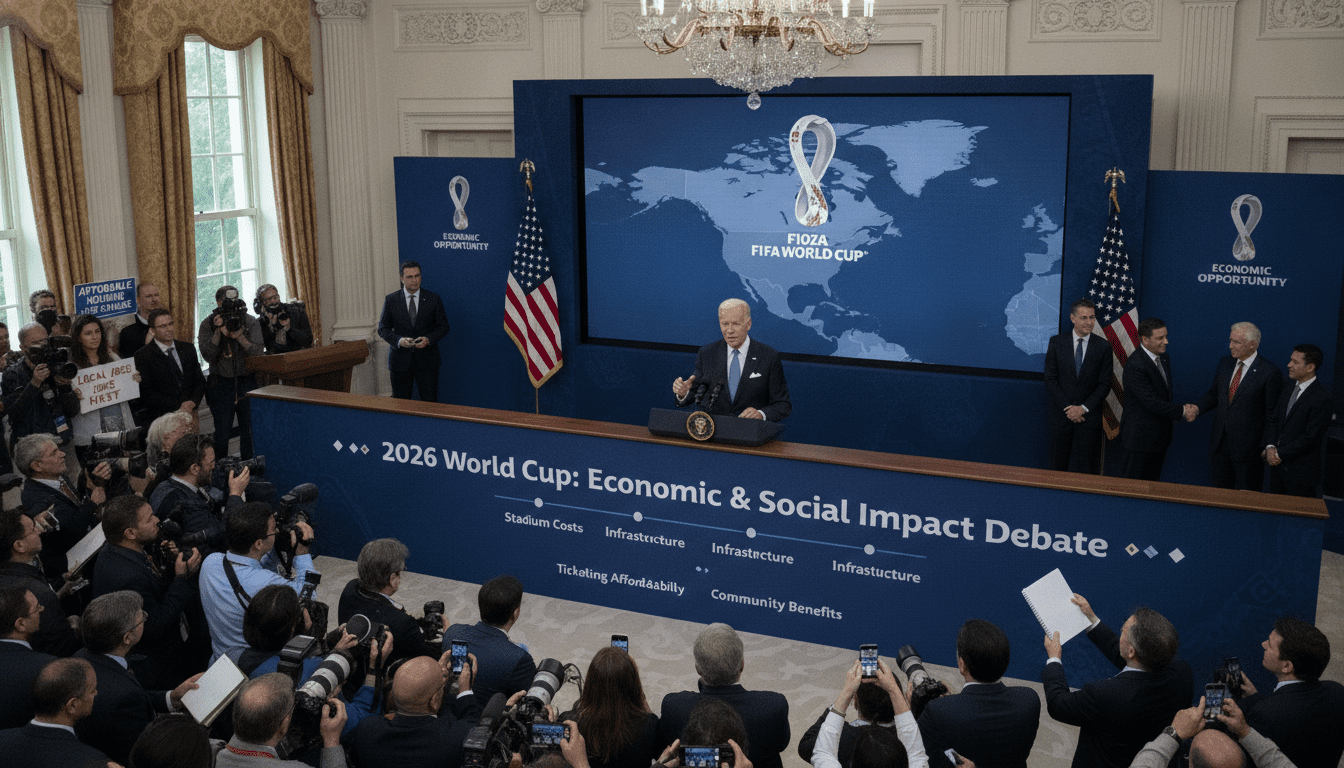
2026 World Cup Overshadowed by U.S. Politics, Costs and FIFA Controversies
The 2026 World Cup, co-hosted by the United States, Mexico and Canada, is increasingly defined by politics and logistics rather than just football. Critics and commentators have flagged how U.S. domestic tensions, foreign-policy disputes, rising fan costs and questions about FIFA’s leadership shape expectations for the tournament. The debate has intensified as observers assess whether the sport can be celebrated independently of the wider political spotlight.
Tri-nation staging but U.S. dominates media focus
The tournament will be split across Mexico, Canada and the United States, yet media attention has largely centered on the U.S. as the dominant co-host. That focus reflects the scale of American venues and investment, but also the prominence of U.S. political discourse that now frames much of the public conversation. Observers say that the imbalance in coverage risks narrowing discussion of preparations and conditions in the other host nations.
Domestic politics cloud the tournament atmosphere
Political divisions inside the United States are being widely discussed as a backdrop to the World Cup, with commentators warning those disputes could influence perceptions of the event. Debates over domestic policy, law enforcement and civic unrest have introduced concerns about fan safety, public messaging and the optics of hosting a global sports event amid internal turmoil. Organizers will need to manage not only stadium logistics but also the narratives that flow from high-profile political flashpoints.
Armed conflict debate raises unprecedented questions
Some commentators have highlighted an unusual diplomatic dynamic: for the first time in modern memory, a World Cup co-host faces criticism for being engaged in active hostilities with a nation that may participate in the tournament. Analysts argue this reality complicates the tournament’s traditional role as a global, apolitical sporting festival. Organizers and federations will have to reconcile competing priorities of security, diplomatic sensitivity and the expectation that sport serve as a platform for peaceful competition.
Costs, travel and fan access under scrutiny
Ticket prices, travel expenses and the sheer geographic scale of the three-country tournament have prompted fresh scrutiny of who will realistically be able to attend matches. Fans and consumer advocates warn that high costs — for tickets, flights and accommodation — could restrict in-stadium attendance to better-funded supporters and corporate guests. That dynamic risks creating an atmosphere at odds with football’s traditional image as the sport of the many rather than the few.
Format changes and competitive balance concerns
The expansion to 48 teams and the associated format adjustments have been criticized for diluting competitive intensity in the early stages of the tournament. Critics contend that a larger group stage can produce more predictable outcomes and fewer high-stakes matches, reducing the drama that has historically defined World Cup openings. Tournament planners and broadcasters face a balancing act between inclusivity, commercial incentives and preserving the high-pressure matches that capture global attention.
FIFA leadership and political entanglements questioned
Questions about FIFA’s leadership and its public relations have intensified as the organization prepares for the event, with several outlets and analysts drawing attention to its interactions with political figures. Some commentators have accused FIFA officials of seeking favor with powerful political actors in ways that compromise the federation’s neutrality. Those criticisms underscore broader anxieties about governance, transparency and the role of sport governing bodies when major geopolitical interests are involved.
Public discourse has also centered on how these non-sporting issues might shape fan experience and tournament legacy. Organizers must coordinate across three national governments, while addressing travel permits, local policing, and cross-border movement for supporters. The complexity of staging matches in multiple legal jurisdictions will test the operational readiness of local and national authorities.
Media coverage and public debate are likely to influence commercial partners and sponsors as well. Corporations that invest heavily in global sporting events are sensitive to reputational risk, and continued headlines about politics, conflict, or unequal access could affect sponsorship strategies. Broadcasters, meanwhile, will weigh audience appetite for matches framed by controversy against the traditional appeal of the World Cup’s on-field drama.
Preparation timelines now include not only stadia upgrades and ticketing systems but also contingency planning for diplomatic incidents and security threats. Public relations strategies will aim to emphasize the sporting spectacle and the multicultural, cross-border nature of the event, while critics insist that transparency and accountability measures be strengthened. The coming months will reveal whether organizers can shift attention back to the matches themselves.
The 2026 World Cup will deliver a unique logistical and symbolic test for the sport: accommodating an expanded field across three nations while navigating a constellation of political and economic pressures. How football’s managers, national authorities and FIFA respond to those pressures will shape not only this tournament’s atmosphere but also broader expectations for future global events.
As preparations continue, stakeholders face a central question: can the World Cup preserve its claim as a universal celebration of sport when the surrounding political, financial and governance debates remain so prominent? Time and the opening whistle will tell whether football’s global appeal can rise above the contested terrain that now frames the 2026 tournament.
