
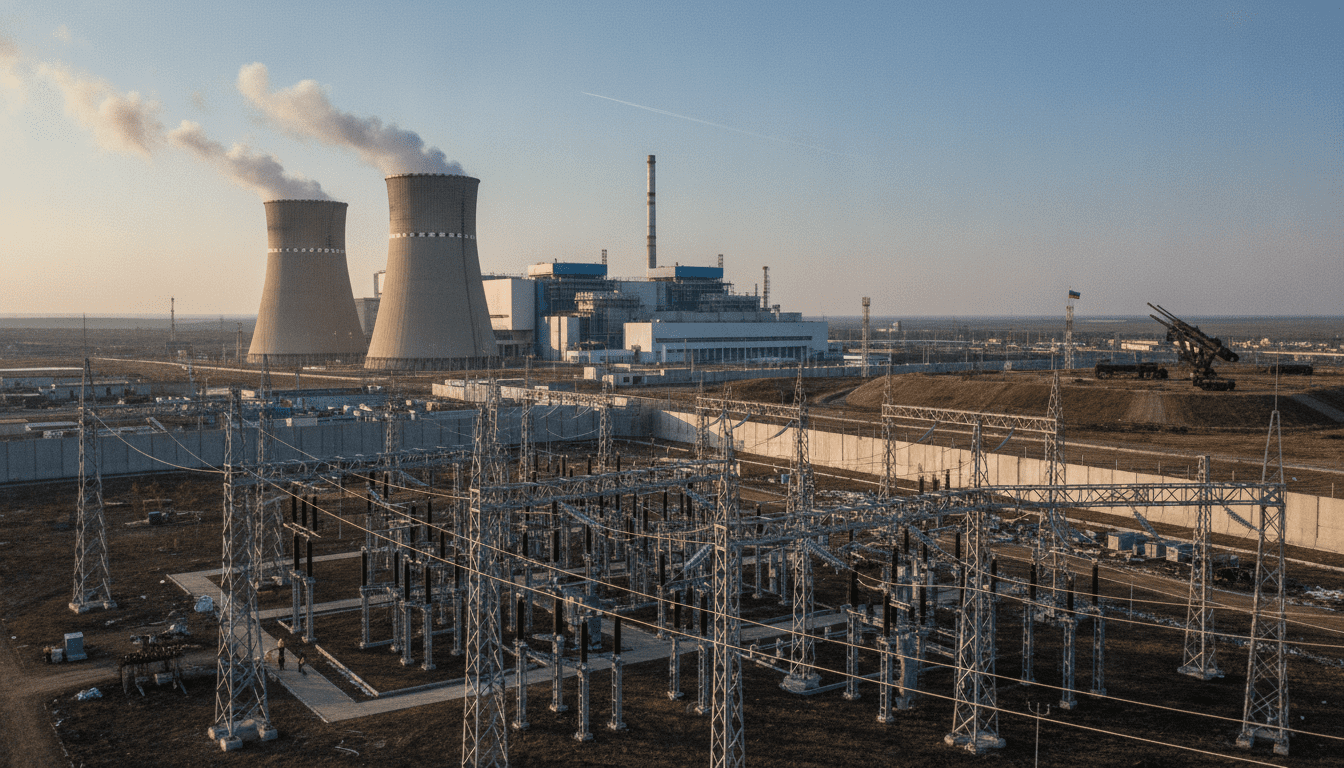
Power Restored to Zaporizhzhia Nuclear Power Plant After Outage as Russia Reports Drone Interceptions and IMF Approves New Aid
Power restored to the Russian-occupied Zaporizhzhia nuclear power plant after a temporary outage, Moscow said, while Russian forces reported intercepting dozens of Ukrainian drones and the International Monetary Fund approved further multi-million euro loans for Ukraine.
Power restored at Zaporizhzhia nuclear site
A power outage at the Zaporizhzhia nuclear power plant briefly cut external electricity to the facility, Russian authorities said, before backup supplies were re-established. Operators reported that grid connections were restored and the plant is now receiving external power, reducing immediate risks tied to prolonged station blackout.
The plant, held by Russian forces since 2022, relies on stable external power for cooling systems and operational support for its reactors and spent fuel storage. International monitoring bodies and safety experts emphasize that restoring external power is critical to prevent escalating hazards at any nuclear site.
Details surrounding the outage and restoration
Russian statements described the incident as a loss of external supply followed by the re-routing of power from nearby grids and diesel generators while repairs were carried out. Officials cautioned that investigations into the cause were ongoing and that normal operations were being monitored closely.
Independent verification of on-the-ground conditions remains limited due to restricted access to the site, which is in territory under Russian control. Sources inside Ukraine and international agencies have previously called for unfettered inspections to confirm safety measures and infrastructure integrity.
Russian military reports 185 Ukrainian drones intercepted
Separately, Russian defence officials announced they had shot down 185 Ukrainian drones in recent operations, framing the intercepts as part of an intensified campaign against Ukrainian aerial attacks. The figure was presented by state authorities and has not been independently verified.
Ukraine has ramped up use of unmanned aerial systems in recent months as part of broader efforts to strike military and logistical targets. Both sides exchange competing claims about the scale and success of attacks, contributing to a tense information environment that complicates outside assessments.
IAEA and international safety concerns persist
The International Atomic Energy Agency and Western governments have repeatedly warned about the heightened risks at the Zaporizhzhia plant amid nearby military activity. Experts say that any disruptions to power, communications, or on-site systems increase the potential for dangerous scenarios that would require swift international response.
Ambassadors and nuclear regulators have urged parties to preserve the facility as a demilitarized zone and allow IAEA inspectors full and continuous access. Those calls reflect longstanding anxieties that conflict-related damage or prolonged outages could have cross-border environmental and human consequences.
IMF greenlights further multi-million euro support for Ukraine
In a separate development, the International Monetary Fund approved additional multi-million euro loan support for Ukraine, signalling continued international financial backing for Kyiv. IMF officials said the move was intended to help stabilise the economy and support critical public spending amid the conflict.
The funding package follows earlier programmes aimed at shoring up reserves and maintaining essential services. Donor coordination and implementation of fiscal reforms remain central components of the broader assistance framework sought by Kyiv and its partners.
Implications for regional security and humanitarian needs
The combination of a nuclear-site outage, intensified drone exchanges, and new financial assistance highlights the interlocking security and humanitarian challenges facing Ukraine. Analysts caution that continued hostilities near critical infrastructure could worsen civilian hardships and complicate reconstruction plans.
Humanitarian groups and regional governments have appealed for stronger protections for civilian infrastructure and clearer mechanisms to prevent escalation. Observers say the international community faces an enduring test in balancing urgent aid, diplomatic pressure, and deterrence measures.
The situation at the Zaporizhzhia nuclear power plant will remain a focus for international monitors and governments, as any new disruptions could prompt immediate concern for nuclear safety and regional stability.
