
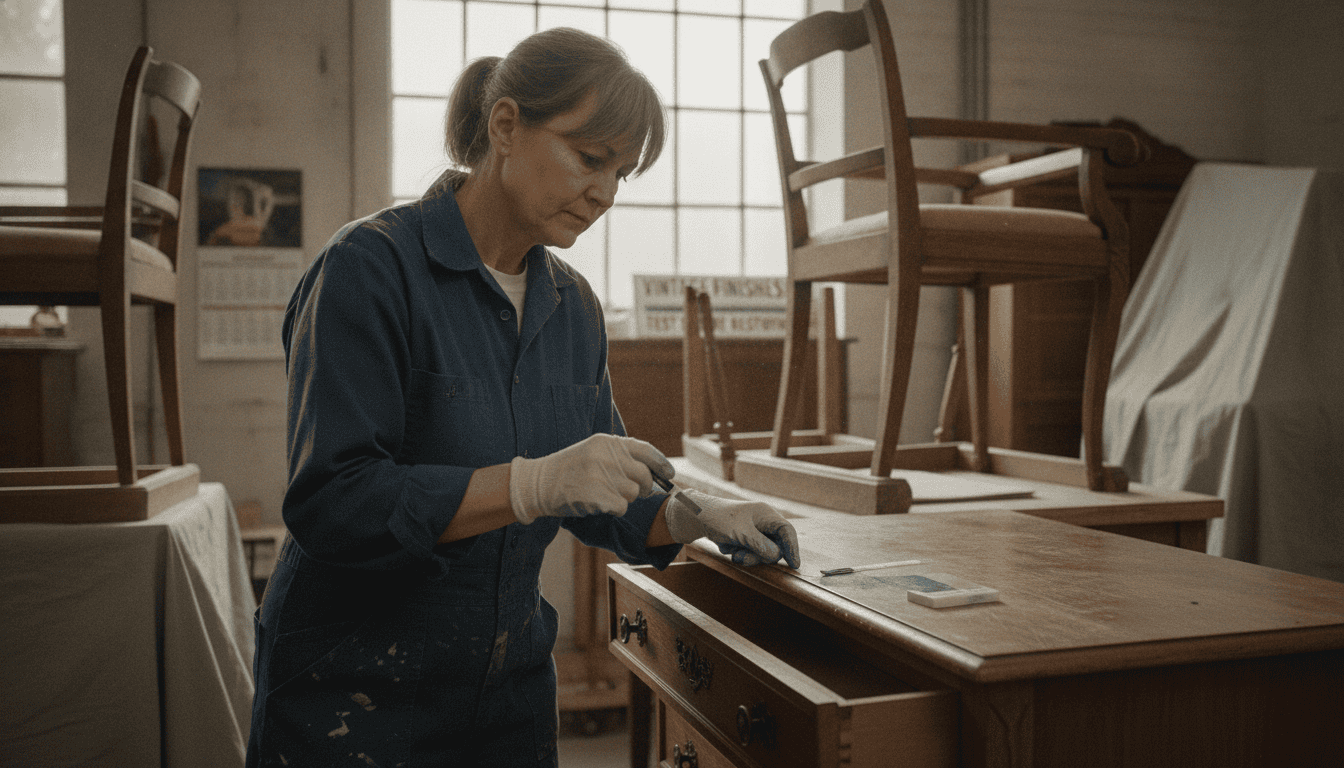
Vintage furniture hazards: buyers warned about toxic paints, asbestos and hidden chemicals
Vintage furniture hazards: Experts warn buyers to test for lead, chromate pigments, asbestos and treated upholstery before restoration or sanding.
Opening summary of the warning
Vintage furniture hazards are prompting fresh warnings to buyers and restorers after experts highlighted a range of hidden risks in older pieces. What looks like charm can conceal leaded paints, chromate pigments and other toxic treatments that become dangerous when disturbed. Consumers are being urged to test, handle and restore vintage finds with caution rather than assuming antiques are harmless.
Lead paint and heavy-metal pigments
Many brightly colored antiques and mid-century pieces contain lead-based paint or pigments that include chromium and cadmium compounds. These materials can flake or create dust when a surface is sanded, chipped or stripped, exposing occupants to hazardous dust. Children and pregnant people are particularly vulnerable to the neurotoxic and developmental effects of lead exposure.
Testing is inexpensive and widely available: do-it-yourself test swabs can screen for lead, while professional X-ray fluorescence (XRF) analysis can identify specific metals and concentrations. Sellers should disclose known paint types and buyers should assume older finishes may contain heavy metals unless verified otherwise.
Treated wood, pesticides and preservative residues
Wood and textiles from earlier eras were often treated with chemical preservatives and pesticides to prevent rot and insect damage. Arsenical pigments and chlorinated pesticides were used historically in wallpapers, fabrics and some wood finishes, leaving residues that can persist for decades. Disturbing these materials by cleaning, cutting or burning can release toxic particles or vapors.
When acquiring older cabinets or storage pieces, buyers should be aware that residues can remain inside drawers, behind panels or embedded in upholstery. If a vintage item was used to store chemicals or medicines, internal contamination is possible and may require professional assessment.
Electrical hazards, asbestos and luminous materials
Vintage lamps, radios and appliances can contain degraded cloth wiring, brittle insulation and asbestos in packing or heat shields, creating both fire and health hazards. Luminous clock faces, watch dials and instrument gauges from the early 20th century may contain radioactive substances such as radium or promethium, which are hazardous if the luminous paint is disturbed.
Before rewiring or restoring an electrical object, unplug and consult a qualified technician. Avoid sanding or mechanically removing clock dials and other luminous elements; specialists can evaluate and safely remove or encapsulate radioactive coatings.
How to inspect and test vintage finds
A methodical inspection reduces risk: look for paint layers, unusual bright pigments, brittle foam and cloth-wrapped wiring. Ask sellers for provenance, age estimates and any documentation of previous restoration or chemical treatments. When in doubt, perform a surface test or engage a professional lab to analyze samples.
Take simple safety steps at flea markets and estate sales by keeping purchases outside until tested, wearing gloves when handling unknown surfaces, and transporting dusty items in sealed containers. Treat any suspicious item as potentially hazardous rather than assuming it is only cosmetically worn.
Safe restoration practices and protective gear
Restoration can be done safely when the right precautions are taken. Avoid dry sanding or open-flame stripping of suspect finishes; these techniques disperse fine particulates and toxic fumes. Instead, consider encapsulation, chemical strippers designed for hazardous coatings used under controlled conditions, or hiring a conservator experienced with hazardous materials.
Personal protective equipment matters: nitrile gloves, eye protection, and high-efficiency respirators—FFP3 in Europe or P100 in North America—reduce inhalation risk during cleanup. Use HEPA-filter vacuums and ventilate work areas; dispose of contaminated waste through municipal hazardous-waste channels rather than household trash.
Marketplace responsibility and consumer options
Dealers, auction houses and online sellers increasingly face scrutiny over disclosure of hazardous materials in vintage goods. Buyers should request clear information and, where possible, documented testing before purchase. Some jurisdictions require disclosure for lead-containing items; consumers should know their rights and ask for receipts or condition reports.
For those who love vintage style but want lower risk, consider reproductions, professionally restored pieces with verified safety, or items manufactured after major regulatory changes that reduced the use of toxic materials. When buying for a child’s room or kitchen use, err on the side of caution and avoid untested antiques.
Vintage finds bring character and history into homes, but they can also bring concealed hazards that require respect and care. Treat each piece as potentially hazardous until proven safe, test where feasible, and prefer professional help for removal or restoration of suspect coatings and components.
