
Renault Twingo Returns as an Electric City Car, Keeping Its Playful Charm
Renault Twingo returns as an electric city car, merging the original’s cheerful design with clever packaging and urban-range electric mobility for drivers.
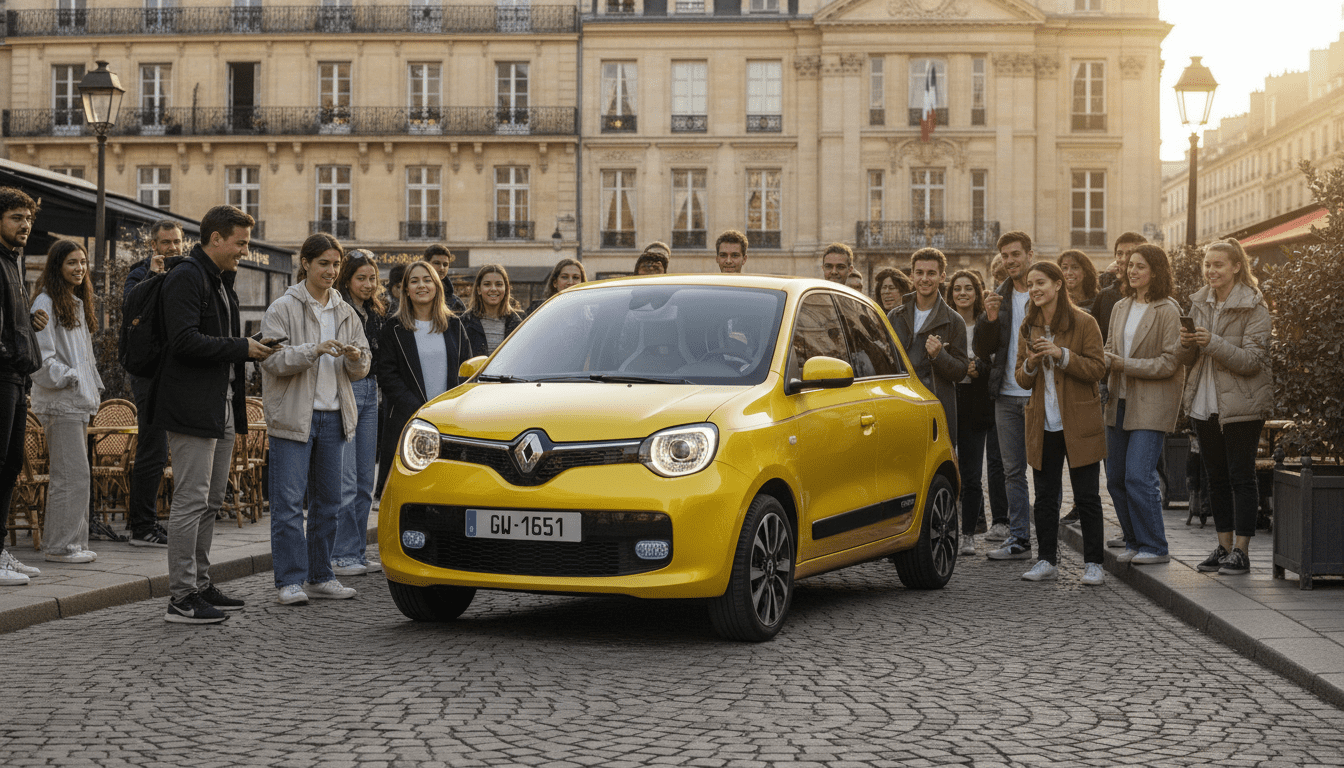
The Renault Twingo has been reintroduced in an electric guise, reviving the pocket-sized model that helped reshape small-car design in the 1990s. The new Renault Twingo electric emphasizes friendly, approachable styling rather than the aggressive, armored look common in many modern models. Renault says the car is meant to lift moods and simplify urban driving while drawing on the original Twingo’s space-saving innovations.
Design echoes the original’s friendly face
The new Twingo’s styling leans into the model’s long-standing visual identity, with headlights that read like welcoming eyes and a subtly smiling front grille. Designers have deliberately avoided the hard, militarized aesthetics of some contemporary city cars to keep the Twingo’s character light and benign. The visual approach is intended to make the vehicle stand out in crowded urban streets as a vehicle that invites interaction rather than intimidation.
Packaging recalls the 1990s monospace concept
Renault has revisited the small-MPV, or monospace, idea that defined the original Twingo’s appeal by maximizing interior room in a very short overall footprint. The first-generation car measured just 3.43 meters long and used short front and rear overhangs to free up cabin space; the new electric variant preserves that attention to packaging efficiency. That layout allows flexible seating and usable load space uncommon in cars of this class, making the Twingo a practical choice for city users who need interior versatility more than long-distance range.
Electric powertrain aimed at city mobility
Renault presents the Twingo electric primarily as a city car, with an electric drivetrain that prioritizes responsiveness and ease of use in dense traffic. The shift to electric power changes the character of the little car, delivering instant torque at low speeds and a quieter cabin environment. While Renault positions the model for urban commutes and short trips, the overall package retains the Twingo’s accessible, non-threatening personality.
Heritage and market context in Germany
The original Twingo was a commercial success in Germany, where more than half a million units were sold in the 1990s and early 2000s. At launch the classic model carried an attractive entry price — about 16,000 Deutsche Mark — which adjusted for inflation would be roughly €15,000 today. That combination of affordability, compact size and clever interior layout made the model a touchstone for practical city motoring, and the electric revival seeks to translate that heritage into a modern, low-emission context.
Interior focus and everyday usability
Inside, the Twingo’s cabin is arranged to emphasize straightforward functionality and a sense of space that belies the car’s compact exterior. Short overhangs and clever seat placement contribute to an interior that feels roomy for passengers and adaptable for cargo. Renault’s update also brings contemporary materials and an interior layout designed for intuitive daily use, reflecting the brand’s aim to make the car as comfortable on short errands as it is on weekday commutes.
Positioning against city-car rivals
The Twingo’s return places it in a crowded segment of small electric vehicles where buyers seek a balance of price, range and practicality. Renault is leveraging the model’s established identity and user-friendly demeanor to differentiate it from products that focus on sportiness or high-tech flash. The Twingo’s appeal will likely rest on its emotional connection to the original and its practicality for tight urban environments, rather than headline-grabbing performance figures.
The Renault Twingo’s electric revival combines the cheeky spirit of the 1990s original with contemporary electric mobility aimed at city drivers. Its friendly design, efficient packaging and urban focus make it a clear statement about how small electric cars can be both practical and pleasant to live with.
