
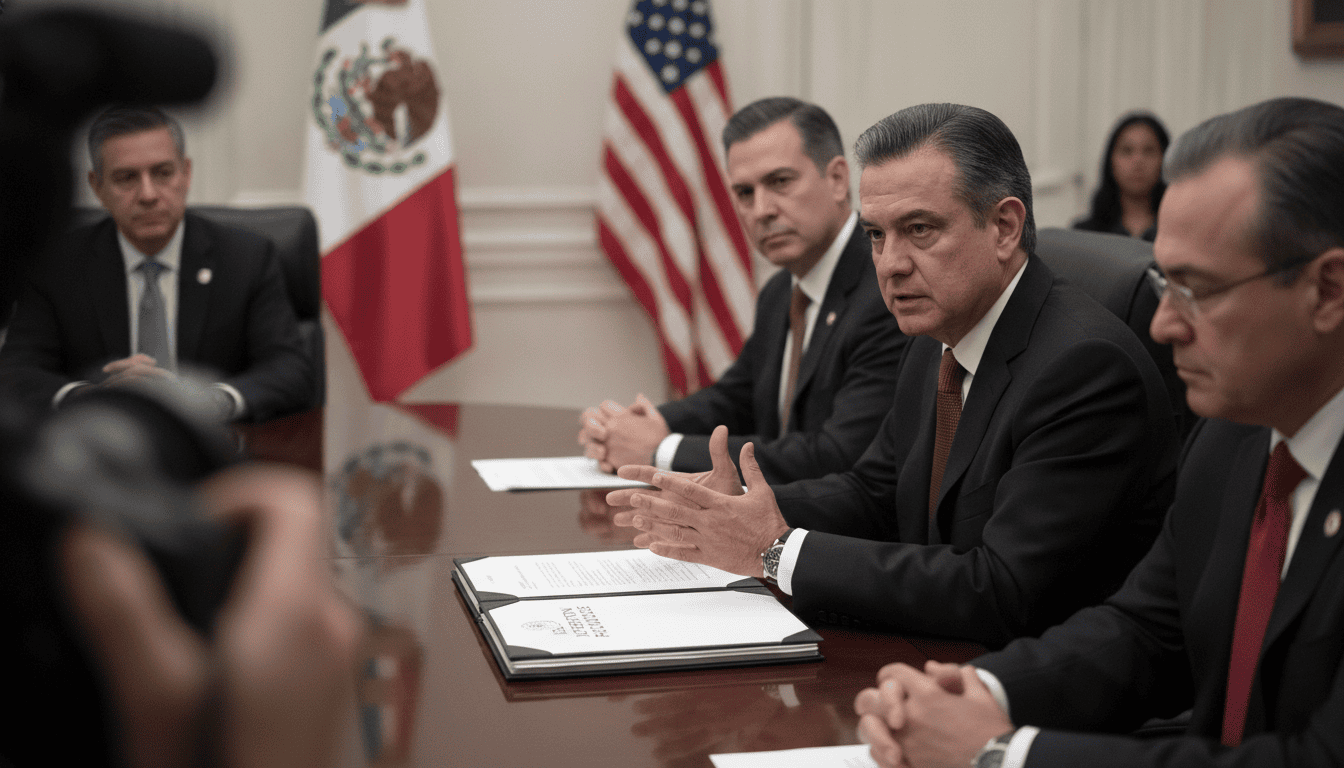
Mexico to seek U.S. prosecutions over Mexican migrants’ deaths after Houston shooting
Mexico will seek state and federal prosecutions in the U.S. after a Houston shooting that killed a Mexican migrant and demand stronger safeguards in ICE detention. (158 characters)
Mexico announced on July 9, 2026, that it will pursue state and federal prosecutions in the United States over the deaths of Mexican migrants during U.S. Immigration and Customs Enforcement (ICE) operations, following the fatal shooting of a Mexican man in Houston. The government said it will also press for tighter protections for Mexican nationals detained in privately run ICE facilities. The move marks a sharp escalation in bilateral efforts to address violence and accountability tied to migration enforcement.
Details of the Houston incident
The shooting in Houston, which Mexican officials have cited as the immediate catalyst for their demand for prosecutions, resulted in the death of a Mexican national and prompted formal diplomatic action. Mexican President Claudia Sheinbaum publicly called for both criminal investigations and measures to prevent similar incidents. Mexican authorities say the facts surrounding the operation require scrutiny at multiple levels of U.S. law.
U.S. local and federal authorities have jurisdictional responsibility for incidents occurring on U.S. soil, and Mexican officials have notified their intent to pursue legal avenues accordingly. The Mexican government has signaled it will coordinate with families of the deceased and seek access to investigative materials as the case moves forward.
Mexico’s call for prosecutions and legal strategy
Mexico stated it will seek prosecutions in both state and federal courts in the United States, a dual-track approach intended to cover criminal and civil dimensions of the case. Officials indicated they may use consular channels to support victims’ families and to request evidence and witness statements. The Mexican justice ministry plans to work with its embassy and legal representatives to identify appropriate jurisdictions and legal theories.
Legal experts caution that cross-border prosecution efforts face hurdles, including sovereign immunity questions, differences in evidentiary rules, and the practical limits of foreign governments pursuing criminal charges in U.S. courts. Still, Mexico’s announcement signals determination to hold responsible parties to account and to use diplomatic pressure to secure cooperation in investigations.
Concerns over privately run ICE detention centres
President Sheinbaum also raised concerns about the conditions and oversight of privately operated ICE detention centres that hold Mexican nationals. Mexico’s government said it will press for stronger protections for detainees, including improved access to consular services, medical care, legal counsel, and independent inspections of facilities. The demand underscores long-standing criticism of private immigration detention providers.
Human rights groups have documented problems in some detention centres, pointing to inadequate medical treatment and limited oversight as factors that increase risk to detainees. Mexico’s push for enhanced safeguards aims to reduce harm to its citizens and to ensure transparency when incidents occur inside detention facilities.
U.S.-Mexico diplomatic and law-enforcement interactions
The Mexican government’s decision to seek prosecutions is likely to intensify bilateral engagement between Washington and Mexico City on migration, enforcement practices, and consular protections. U.S. authorities typically handle criminal investigations of on-duty law-enforcement actions through local police departments, state prosecutors, and federal agencies such as the Department of Justice. Mexico’s request for cooperation will require those agencies to share information and consider consular requests.
Diplomatic exchanges may include formal notes, requests for mutual legal assistance, and high-level conversations to ensure investigations proceed with transparency. Officials in both capitals must balance respect for U.S. legal processes with Mexico’s insistence on accountability and protection for its nationals abroad.
Historical context and migrant-death concerns
The announcement follows a series of incidents in recent years in which Mexican nationals died during or after encounters with U.S. immigration enforcement or while in detention. Those cases have drawn sustained attention from governments, rights organizations, and media, prompting calls for reform and enhanced oversight. Mexico’s move to pursue prosecutions reflects frustration with perceived gaps in accountability and protection for migrants.
Previous diplomatic interventions have led to improvements in consular access and, in some cases, policy changes. However, systemic challenges remain, particularly where privately operated facilities are involved and where jurisdictional complexity slows information sharing between countries.
Potential next steps and implications
Mexico’s legal and diplomatic push could lead to multiple outcomes: cooperation from U.S. investigators and prosecutors, expanded inspections of detention facilities, or protracted legal negotiations over access to evidence. The Mexican government has said it will support families of victims and seek remedies through U.S. courts while continuing to press for policy changes that reduce risks to its citizens.
For U.S. authorities, the case may prompt closer review of enforcement protocols and detention oversight, especially where private contractors are used. For civil society and migrant-rights advocates, the announcement may renew calls for independent monitoring of detention centres and for stronger protections during and after immigration operations.
Mexico’s simultaneous pursuit of prosecutions and detention safeguards signals a more assertive posture in defending the rights of its nationals abroad, and it sets the stage for heightened bilateral engagement on how migration enforcement is conducted and reviewed.
Diplomatic and legal developments are likely to unfold in the coming weeks as investigations proceed and as both governments respond to requests for information and cooperation.
