
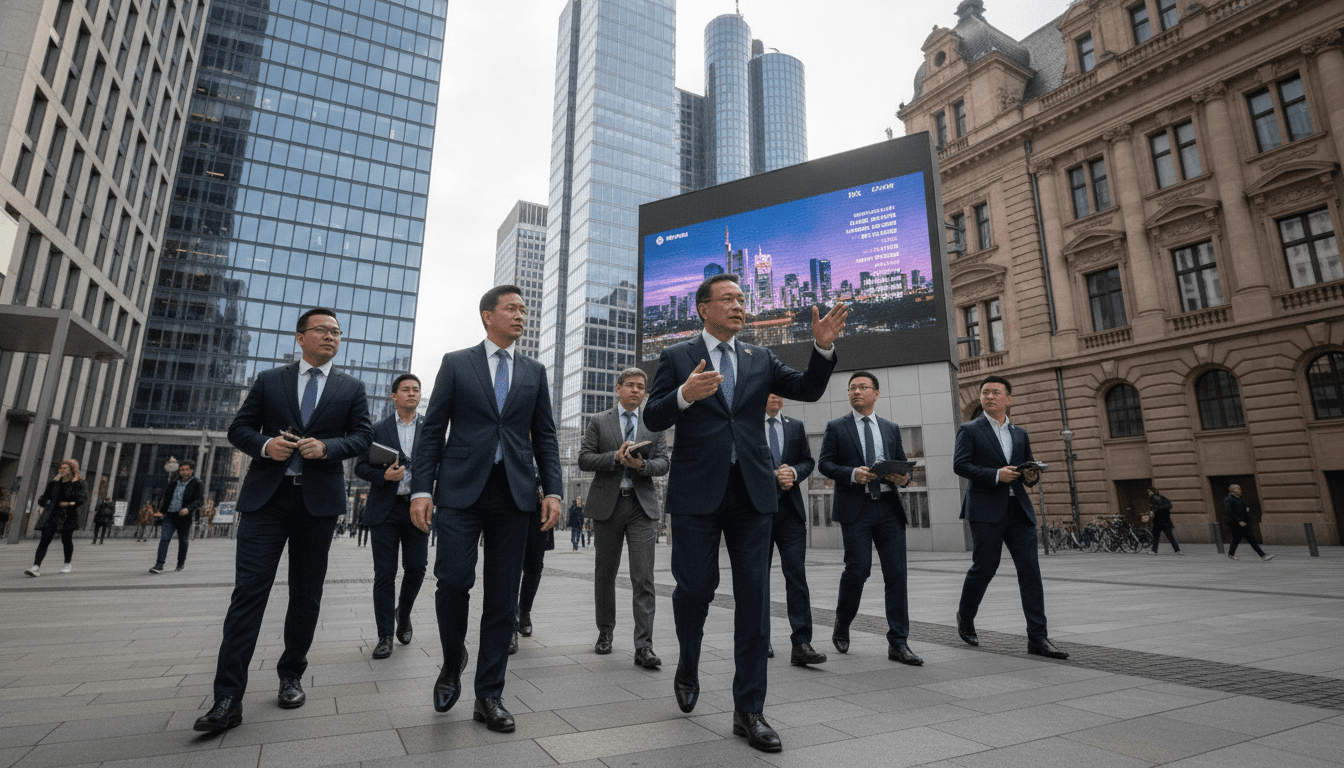
Malaysian Billionaire Calls Frankfurt Luxury Apartments “Too Cheap” as Tower Market Draws Global Buyers
A Malaysian billionaire recently told brokers he finds Frankfurt luxury apartments undervalued, spotlighting a high-rise market where prices can reach €30,000 per square meter. The comment highlights growing international interest in Frankfurt luxury apartments and raises questions about demand, supply and what high-net-worth buyers actually seek in the city’s towers. Local broker Michael Pabst, who works in Frankfurt’s upscale high-rise segment, says the market is defined more by lifestyle and discretion than by pure square-meter calculations.
Prices Reach €30,000 per Square Meter
Frankfurt’s most exclusive high-rise residences now trade at levels comparable with established global financial hubs, with asking prices reported up to €30,000 per square meter. These top-tier units—often located in landmark towers such as the Four ensemble—combine large floorplates, panoramic views and high-end finishes that drive headline price tags.
Market participants say those peaks are selective: they apply to a thin slice of newly created or exceptionally renovated flats, while a broader swath of central-city properties remains priced well below those extremes. The sticker shock often reflects scarcity and brand value more than a uniform citywide trend.
Buyer Profiles: Billionaires, International Executives and Investors
According to brokers active in the sector, buyers of Frankfurt luxury apartments include sovereign clients, wealthy families, international executives and private investment vehicles. Many arrive with global portfolios and view Frankfurt as a safe, serviceable base in the heart of Europe’s financial district.
Some ultra-wealthy purchasers compare Frankfurt prices to luxury markets in London, New York and Singapore, concluding that the city offers comparatively good value. That comparison, a Malaysian billionaire’s remark exemplifies, has helped attract capital from Asia and the Middle East in recent transactions.
Lifestyle and Services Drive Demand Inside the Towers
Buyers of high-rise flats prioritize privacy, security and full-service amenities as much as square meters and views. Concierge services, private lifts, underground parking and dedicated staff frequently determine which properties capture the attention of ultra-high-net-worth individuals.
Developers and brokers say the appeal is less about ostentatious display and more about convenience: secure access, easy transfers for staff, and proximity to banks and corporate headquarters matter. The combination of penthouse-scale living with hotel-like services is a recurring selling point in marketing materials.
Broker Michael Pabst on the Appeal and the Limits of the Penthouse
Michael Pabst, a broker who regularly handles Frankfurt’s top-tier high-rise listings, describes a client roster that values long-term privacy and practical convenience. He cautions that the traditional mystique of the penthouse does not always match buyers’ everyday needs, arguing many clients prefer well-designed upper-floor apartments with robust services over a single ostentatious top-floor unit.
Pabst notes logistical drawbacks that can temper penthouse demand: higher maintenance costs, complex access for staff and deliveries, and exposure to wind and weather at extreme heights. Those trade-offs have shifted some buyer interest toward configurable premium units that offer similar views with fewer operational headaches.
Supply Constraints and the Role of Iconic Projects
Frankfurt’s skyline has evolved with a handful of high-profile developments that set pricing benchmarks for the luxury segment. But the overall supply of truly premium high-rise apartments is tight due to zoning, construction costs, and limited central plots suitable for residential conversion.
Investors say that scarcity, coupled with Frankfurt’s role as a European financial hub, creates a structural support for prices even if broader residential markets fluctuate. Iconic projects, such as tower complexes with mixed-use programming, tend to attract the most attention and the highest per-square-meter valuations.
Market Consequences of Foreign Demand
Sustained interest from foreign buyers can push top-end prices higher, but it also prompts scrutiny from local stakeholders concerned about affordability and market balance. City authorities and housing advocates warn that an influx focused on luxury inventory does little to relieve pressure on the wider housing market.
Industry insiders argue that foreign capital often targets a specific asset class—serviced, high-security apartments with global appeal—so spillover into other segments of the housing market may be limited. Still, the optics of billionaire buyers declaring Frankfurt luxury apartments “too cheap” feed a political conversation about equitable urban development.
Frankfurt’s high-rise apartment market remains a distinct niche where global capital, lifestyle expectations and architectural prestige intersect. While headline prices and colorful anecdotes draw attention, brokers stress that the sector is nuanced: buyers demand turnkey services, manageable operational costs and proximity to the financial district as much as spectacular views. For now, limited supply and steady international interest keep Frankfurt luxury apartments among Europe’s most watched niche markets, even as policymakers and locals weigh the broader effects on the city’s housing landscape.
