
Israeli strike hits Deir Aames during Eid al‑Adha, killing two in southern Lebanon
Israeli strike hits Deir Aames in southern Lebanon’s Tyre during Eid al‑Adha, killing two and wounding one, the National News Agency reports.
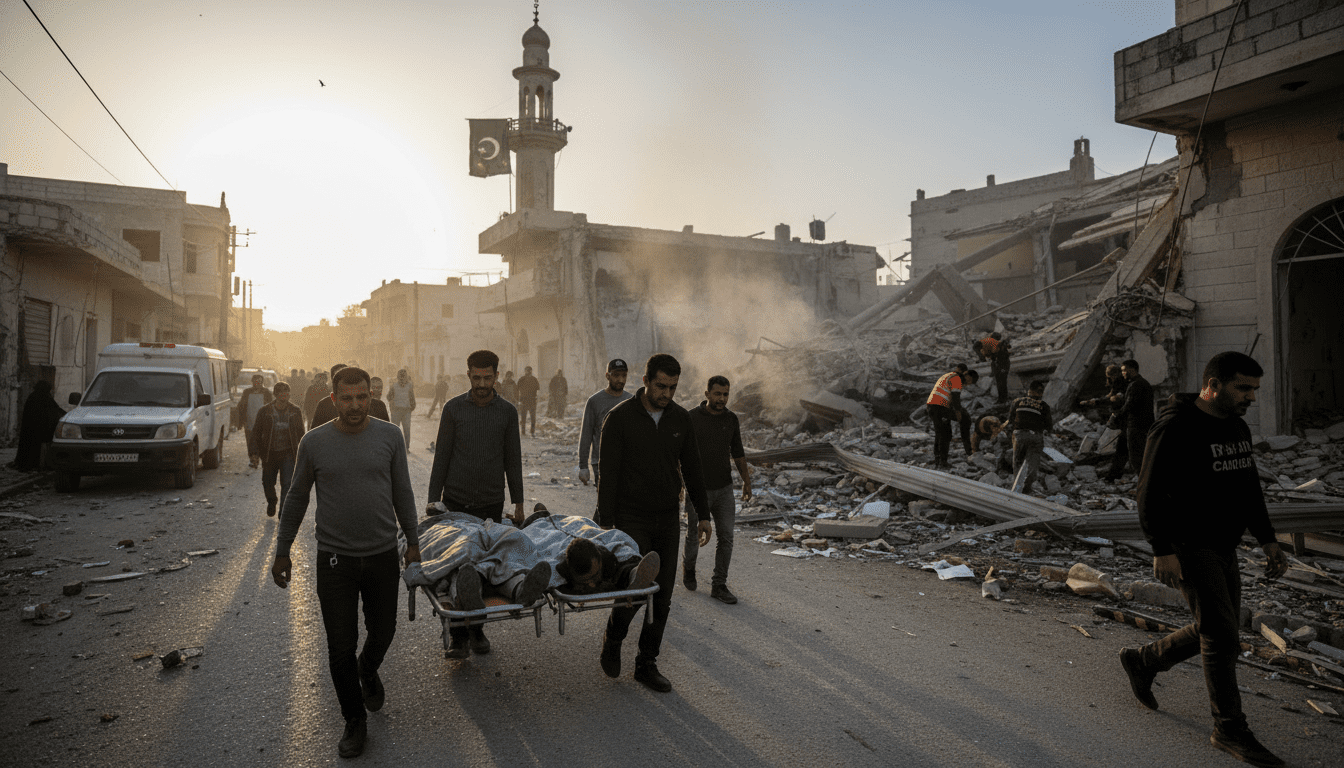
A strike attributed to Israeli forces struck Deir Aames in the Tyre district of southern Lebanon on May 27, 2026, killing two people and wounding another, the National News Agency reported as Eid al‑Adha observances began across the country. The attack occurred amid widespread holiday prayers and public gatherings, underscoring a sharp escalation in violence at a sensitive moment of religious observance. Officials and residents in the area described shock and grief as emergency services responded to the scene.
Casualties and official reports
The National News Agency provided the initial casualty figures, saying two people were killed and one was wounded in the strike in Deir Aames. Local medical and municipal sources assisted in evacuating the wounded and recovering those killed, according to reporting from the area.
Lebanese authorities are examining the site and coordinating with local first responders to confirm identities and the full scope of damage. No immediate statement was released by Israeli authorities in the immediate aftermath of the report.
Timing amid Eid al‑Adha observances
The strike coincided with the start of Eid al‑Adha, one of Islam’s major religious holidays, when families gather for prayers and communal meals. Reuters imagery from May 27 showed large crowds at mosques in Beirut and Sidon attending Eid prayers, highlighting how the violence intruded on national religious observance.
Residents in the best‑affected localities said the timing intensified alarm and disrupted holiday rituals, with some communities postponing planned family gatherings. Religious leaders and municipal officials called for calm while emergency services continued rescue and recovery operations.
Eyewitness accounts and media coverage
Witnesses described a sudden explosion and visible damage in the Deir Aames area, with local residents reporting smoke and debris at the scene. Journalists on the ground cited local security sources and photographed the response by ambulances and civil defense teams.
Photographs circulated by international wire services showed worshippers at Mohammad Al Amin Mosque in Beirut and at the Hajj Bahaa El‑Din al‑Hariri Mosque in Sidon on the morning of May 27, giving visual context to the holiday setting in which the strike occurred. Media coverage emphasized the contrast between large, peaceful gatherings and the sudden outbreak of violence in the south.
Local and regional security context
Southern Lebanon has experienced repeated cross‑border exchanges in recent years, often involving air and artillery strikes and retaliatory fire, and those dynamics shape local perceptions of security. Residents and local officials framed the Deir Aames strike within that broader pattern of tension along the Israel‑Lebanon border.
Observers cautioned that incidents timed during public holidays can heighten communal tensions and complicate cessation‑of‑hostilities efforts. Humanitarian groups and municipal officials highlighted the strain on medical facilities and civil defense resources already stretched by previous rounds of hostilities.
Humanitarian response and displacement concerns
Local authorities mobilized ambulances and civil defense teams to provide immediate assistance to the wounded and to assess property damage. Municipal leaders said temporary shelters and support services would be readied if further strikes forced families to leave their homes.
Aid organizations in Lebanon have repeatedly warned that sustained attacks risk exacerbating displacement and deepening needs for food, shelter and medical care, particularly in southern communities that remain vulnerable after earlier incidents. Relief agencies urged safe access for medical personnel and unhindered movement of ambulances and aid convoys.
International reactions and calls for restraint
Global and regional actors typically react swiftly to casualties in cross‑border incidents, with some governments and organizations urging restraint to avoid broader escalation. In past episodes, diplomatic channels have been used to press for de‑escalation and protection of civilians during religious holidays.
Analysts noted the political sensitivity of strikes during major religious observances, when public attention and emotions are heightened. Calls for independent inquiries into civilian casualties and for transparent reporting of events were echoed by rights groups and commentators monitoring the situation.
The Deir Aames strike on May 27, 2026, adds to a pattern of violence that has intermittently affected southern Lebanon, raising urgent questions about civilian protection and the prospects for reducing cross‑border hostilities during periods of public gathering and worship.
