
Housing costs remain largest share of German household spending, IW finds
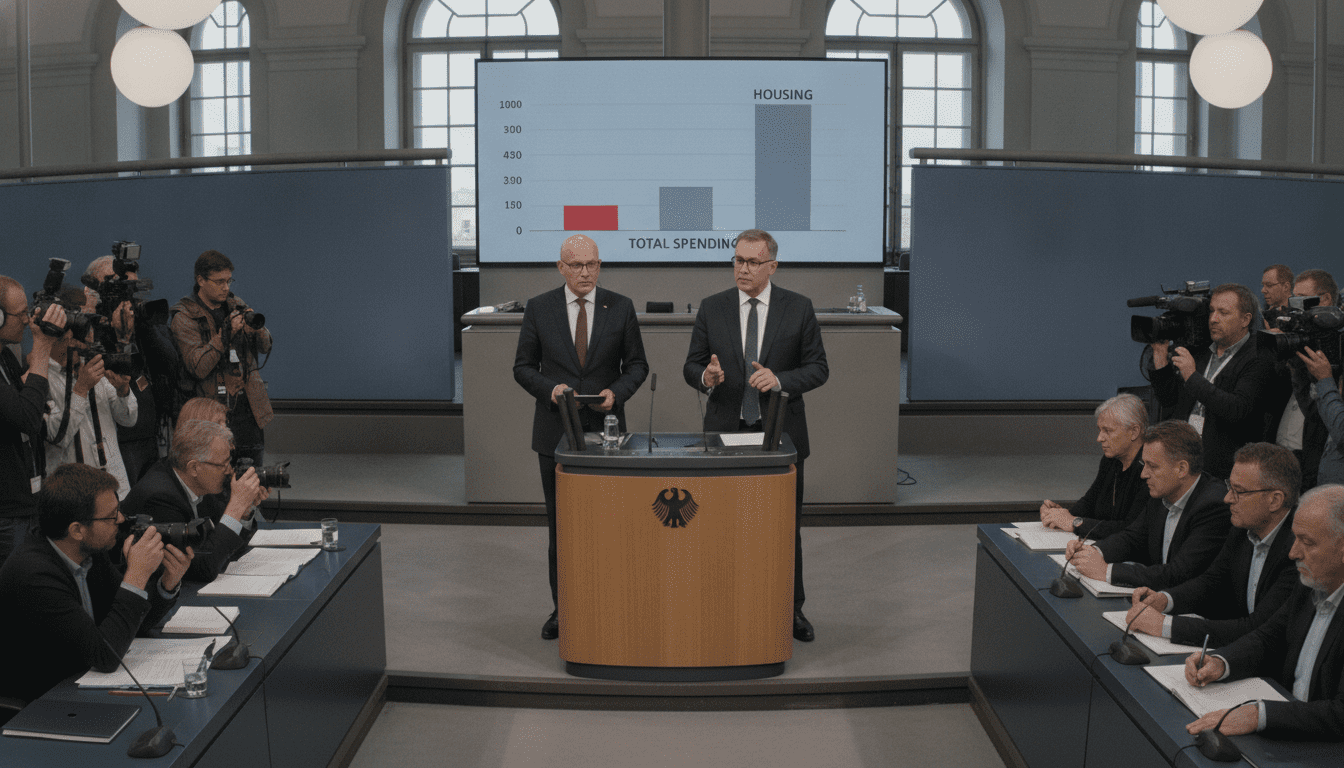
Germany’s housing costs accounted for about 23.3% of household consumption in 2024, the Institute of the German Economy reports, underscoring pressure on budgets.
Germany’s households spent a larger share of their budgets on housing in 2024 than on any other single category, with housing costs taking roughly 23.3% of private consumption, according to an analysis by the Institute of the German Economy (IW). The finding places Germany close to the European average and highlights mounting affordability concerns as prices and supply dynamics shift. Experts cited by industry groups also warn that rising real estate values and constrained new construction are likely to keep housing costs elevated into the near term.
Housing leads German household budgets
The IW’s 2024 assessment shows housing was the single biggest expenditure item for German consumers, ahead of food, transportation and recreation. Households allocated just over 23 percent of their consumption to housing-related spending, a share that directly affects discretionary income and saving capacity.
Researchers said the figure reflects not only rents and mortgage payments but also utilities, maintenance and related housing services. Officials and analysts view the statistic as a barometer of affordability pressures facing different income groups across the country.
Germany’s position in the EU comparison
Within the European Union, Germany’s housing share sits near the median, according to the IW data. The study identified striking cross-country differences, with Czech households spending the highest share—about 32%—while Croatian households spent roughly 14.4% on housing in 2024.
Those contrasts point to a mix of market structures, policy frameworks and social housing availability across member states. Economists say such variation matters for assessing where policy intervention or targeted subsidies might be most needed to protect vulnerable households.
Real estate prices are projected to rise
Industry forecasts suggest the cost pressure on households may increase: the German Cooperative Banks Association (BVR) projects residential property prices will climb by about 3% this year. That anticipated rise would add to both purchase prices and, indirectly, rental dynamics as investor and financing costs change.
Analysts caution that even moderate annual increases compound over time and can shift market expectations, prompting further upward pressure on rents and purchase prices. Lenders and market-watchers will be monitoring credit conditions and interest-rate trends for signs of acceleration.
New construction covering only part of demand
The BVR’s assessment also estimates that new housing supply meets only around 58% of current demand, leaving a significant shortfall. The shortfall is attributed to slow-moving construction pipelines, regulatory hurdles and capacity constraints in the building sector.
This gap between required and delivered units contributes to tight markets in high-demand areas and can drive price increases when demand outstrips supply. Policy-makers have cited the shortfall in calls for measures to accelerate approvals and incentivize targeted new construction.
Regional imbalance amplifies shortages in cities
A further complication is the geographic mismatch of new housing: a substantial portion of newly built units has been delivered in shrinking rural areas, while demand remains concentrated in urban centres and metropolitan regions. That mismatch means vacancies and completed projects in one region coexist with acute shortages and rising rents in others.
Urban shortages are particularly consequential given population growth and job concentration in major cities. Local officials have been urged to coordinate zoning, infrastructure and funding to channel building activity where demand is greatest.
Germany’s housing cost challenge comes at a time of broader economic uncertainty. Household budgets are sensitive to shifts in energy bills, interest rates and wage developments, and housing sits at the intersection of all three. The IW’s data and the BVR’s projections together signal that housing affordability will remain a central issue for policy-makers and consumers alike in the months ahead.
