
Wooden Prefabricated Houses See Revival as German Builders Target Multi‑Storey Projects
German makers of wooden prefabricated houses report rising orders and are expanding from single-family homes into multi-storey residential construction.
The market for wooden prefabricated houses in Germany has shown a clear turnaround, with manufacturers reporting a sustained rise in orders and production after several difficult years. Once-hit by a slump in permits and cuts to subsidies, many mid-sized builders now say they have order books that extend months — in some cases more than a year — into the future. The recovery is accompanied by a strategic shift: companies that traditionally focused on single-family dwellings are increasingly bidding for multi-storey residential and commercial projects.
Orders and production rebound
Manufacturers across Germany describe recent months as a turning point for wooden prefabricated houses, with factory output picking up and lead times stretching as demand returns. Several firms that cut capacity during the downturn have reopened lines or rehired staff to meet renewed orders. The upturn is visible both in enquiries for detached homes and in larger contracts for apartment blocks and institutional buildings.
Industry representatives attribute the rebound to a mix of stabilizing economic signals and pent-up housing demand, which has made clients more willing to proceed with projects. The return of orders has restored confidence at many medium-sized producers that had survived the lean period by trimming overheads and focusing on core products.
Shift toward multi-storey construction
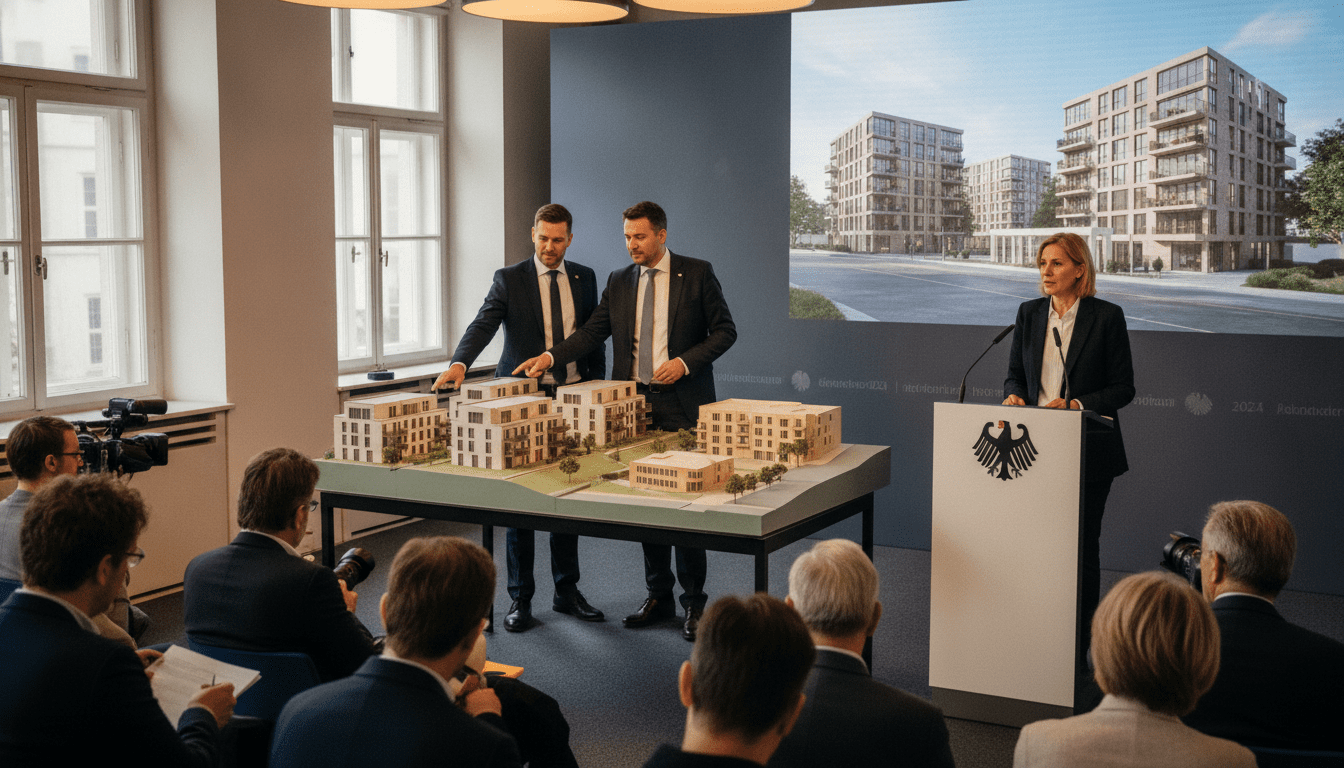
Producers are now targeting a new market niche: multi-storey timber construction of three to four storeys and beyond. Advances in industrial, serial production and improved engineering standards give these companies the capability to deliver larger residential buildings, schools and office blocks. Several reference projects completed in recent years have bolstered confidence that timber systems can perform at scale.
This strategic pivot is driven by the potential to diversify revenue streams and make better use of factory capacity. By winning larger contracts, builders expect more predictable cash flows and greater resilience against future market swings.
Advantages: speed, sustainability and cost control
Two advantages stand out for wooden prefabricated houses when scaled to multi-storey projects: construction speed and sustainability credentials. Factory-built components reduce on-site work and weather delays, cutting overall project timelines substantially compared with conventional methods. Faster delivery is attractive to municipalities and developers seeking quick additions to housing stock.
Timber also offers a favorable carbon balance relative to steel and concrete, a point increasingly important to public procurers and private investors focused on energy transition goals. Producers are highlighting lifecycle benefits and the ability to combine timber panels with high-performance insulation to meet strict efficiency standards.
Regulatory and political challenges remain
Despite the momentum, manufacturers caution that regulatory hurdles and local political resistance can still slow projects. Some municipalities maintain conservative building codes or have planning priorities that limit new developments, and fire-safety and acoustic requirements for taller timber buildings add complexity. Firms say they are investing in engineering, testing and certification to meet these standards, but note that approval processes can vary widely across regions.
The political framing of single-family housing in recent years left some producers feeling exposed, they say, but the acute shortage of rental units and apartments has altered the debate. Industry leaders hope that multi-storey timber proposals will face fewer objections because they address the shortage more directly and promise faster, greener results.
Investment needs and workforce issues
Scaling into larger building types requires capital and skilled labour, and firms acknowledge both are in short supply. Upgrading factories, adopting new prefabrication technologies and hiring engineers and trained assembly crews will demand investment that smaller companies may struggle to raise alone. Some are exploring alliances, joint ventures and public–private partnerships to spread risk and secure the resources needed.
Workforce retention and training are also priorities; companies report recruiting challenges in carpentry, logistics and specialized assembly roles. To sustain higher production and meet quality standards, several firms say they are increasing apprenticeships and investing in automation where feasible.
Market outlook and implications for housing supply
If current trends continue, wooden prefabricated houses could capture a larger share of Germany’s new-build market, particularly for medium-density urban housing and public-sector projects. Faster delivery times and improved sustainability might make timber systems a preferred option for municipalities under pressure to increase housing supply quickly. A successful shift to multi-storey work would also help industrial builders move beyond the often-politicized single-family segment and into more widely supported housing goals.
However, the sector’s ability to expand will hinge on consistent political support for streamlined approvals, continued access to finance and successful integration of technical standards for taller timber structures. Developers and local authorities will need to adapt procurement and planning practices to fully benefit from the speed and environmental advantages timber offers.
The revival of wooden prefabricated houses marks a notable structural shift within Germany’s construction landscape, blending industrial manufacturing with urban housing needs. If manufacturers can overcome regulatory, investment and labour constraints, the result could be faster, greener additions to the country’s housing stock and a more resilient industry poised for longer-term growth.
