
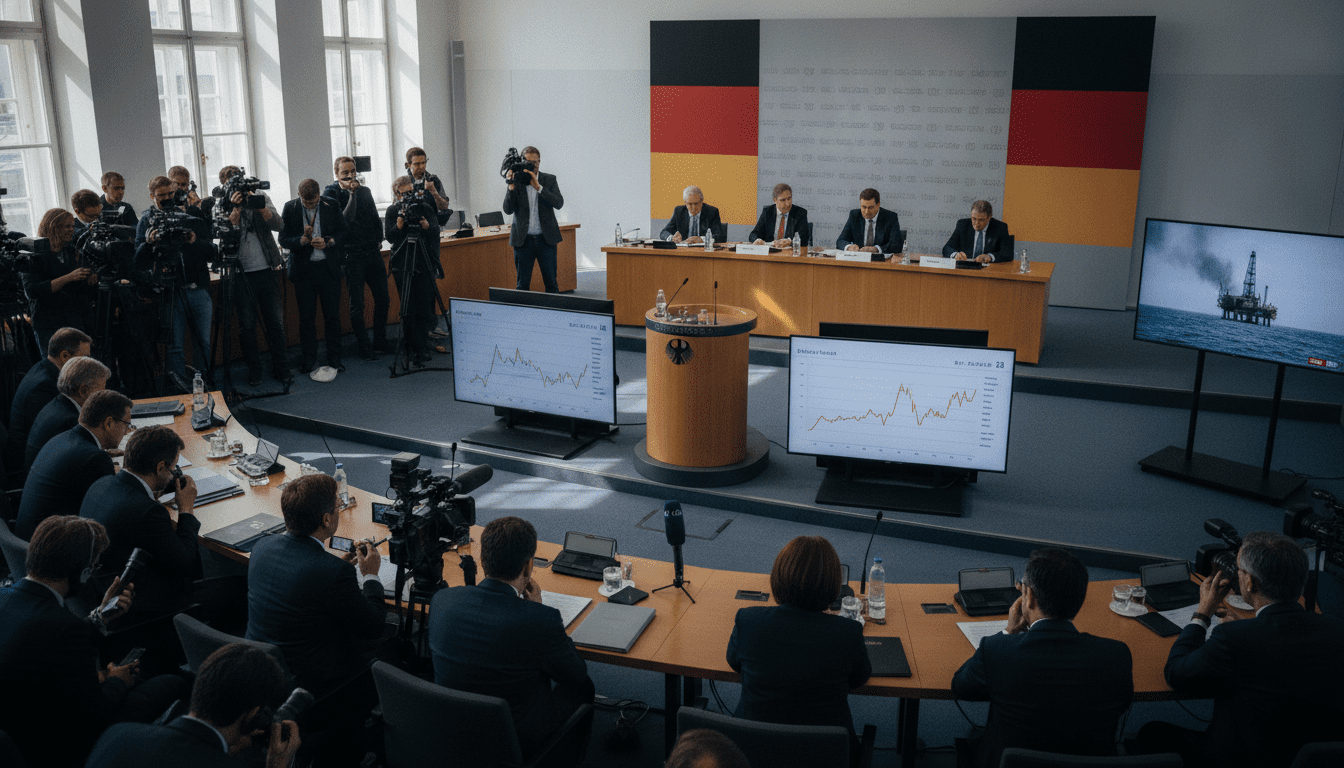
German producer prices rise 2.2% in May as oil-driven energy costs push input prices higher
German producer prices rose 2.2% year‑on‑year in May, driven by a jump in energy costs linked to rising oil prices; monthly producer prices increased 0.3%, signaling renewed upstream inflationary pressure.
The Federal Statistical Office reported that producer prices in Germany climbed 2.2% compared with the same month a year earlier, marking one of the stronger annual increases since May 2023. The rise was concentrated in prices for intermediate inputs, with energy costs up 2.5% year‑on‑year and manufacturers passing higher input costs into their invoicing. Manufacturers of goods ranging from foodstuffs to capital equipment reported higher selling prices, underlining broad-based pressure across the industrial chain.
Producer prices climb 2.2% year‑on‑year in May
The Statistical Office’s data show that the 2.2% year‑on‑year increase in German producer prices reflects higher costs for businesses rather than final consumer rates. This figure compares with a larger increase recorded in May of the previous year, making the current uptick one of the more notable developments in recent monthly releases. The agency emphasized that the increase is primarily attributable to higher prices for upstream goods and inputs.
Energy and oil prices linked to Iran conflict
Energy costs were a central driver of the May rise, with energy prices up 2.5% year‑on‑year, according to the release. Analysts and officials pointed to the recent escalation in oil markets tied to tensions in the Middle East as a key factor pushing wholesale energy prices higher. The oil-driven move has amplified costs for producers that rely on fuel and energy-intensive processes, feeding through to a wide array of manufactured goods.
Monthly rise signals upstream inflationary pressure
On a month‑to‑month basis, producer prices increased 0.3% from April to May, indicating fresh upward momentum early in the distribution chain. Producer prices are recorded before goods reach wholesale and retail stages, making them a leading indicator for future consumer price trends. Economists watch these monthly shifts closely because sustained increases at the producer level often presage higher consumer inflation as firms pass costs along.
Consumer inflation softens but risks persist
Consumer prices in Germany rose by 2.6% year‑on‑year in May, easing from 2.9% in April, which suggests that inflationary pressure at the household level has moderated slightly. Despite the consumer‑price slowdown, the May increase in producer prices highlights a potential for renewed passthrough to retail prices in coming months. The European Central Bank has already tightened policy, raising the deposit rate from 2.0% to 2.25% — its first increase in almost three years — a move aimed at anchoring inflation expectations across the euro area.
Sectoral impacts and business margins under strain
The producer‑price rise affected a broad range of sectors, with manufacturers of basic goods and food products reporting notable increases in selling prices. For firms, higher input costs create a choice between compressing margins or raising prices for buyers, and the data suggest many are opting for at least partial cost pass‑through. Highly energy‑intensive industries are particularly exposed, while companies with longer supply contracts or hedging strategies may experience a lagged impact.
German exporters may also face secondary effects as production costs rise, potentially affecting competitiveness if global demand weakens or if currency movements do not offset cost pressures. Conversely, firms that can pass costs to customers without denting demand will see margins preserved, leaving the impact uneven across the economy.
The upward move in producer prices adds complexity to the outlook for inflation and interest‑rate policy. If input‑price pressures persist or widen, consumer inflation could stabilize or edge higher, complicating the ECB’s path toward disinflation. Policymakers will likely monitor upcoming producer‑price releases, energy markets, and wage developments to assess whether further monetary tightening is warranted.
Looking ahead, businesses and households should expect volatility in upstream prices while geopolitical tensions influence energy markets. Market participants will be watching whether the recent monthly uptick becomes a trend or proves to be a temporary response to fluctuating oil markets.
