
Coalition Signals Progress on Income Tax Reform After Eight-Hour Chancellery Talks
Union and SPD finished eight-hour talks at the Chancellery with reports of an income tax reform agreement and a growth-and-jobs package; a 9 a.m. press conference is scheduled.
Marathon meeting ends at the Chancellery
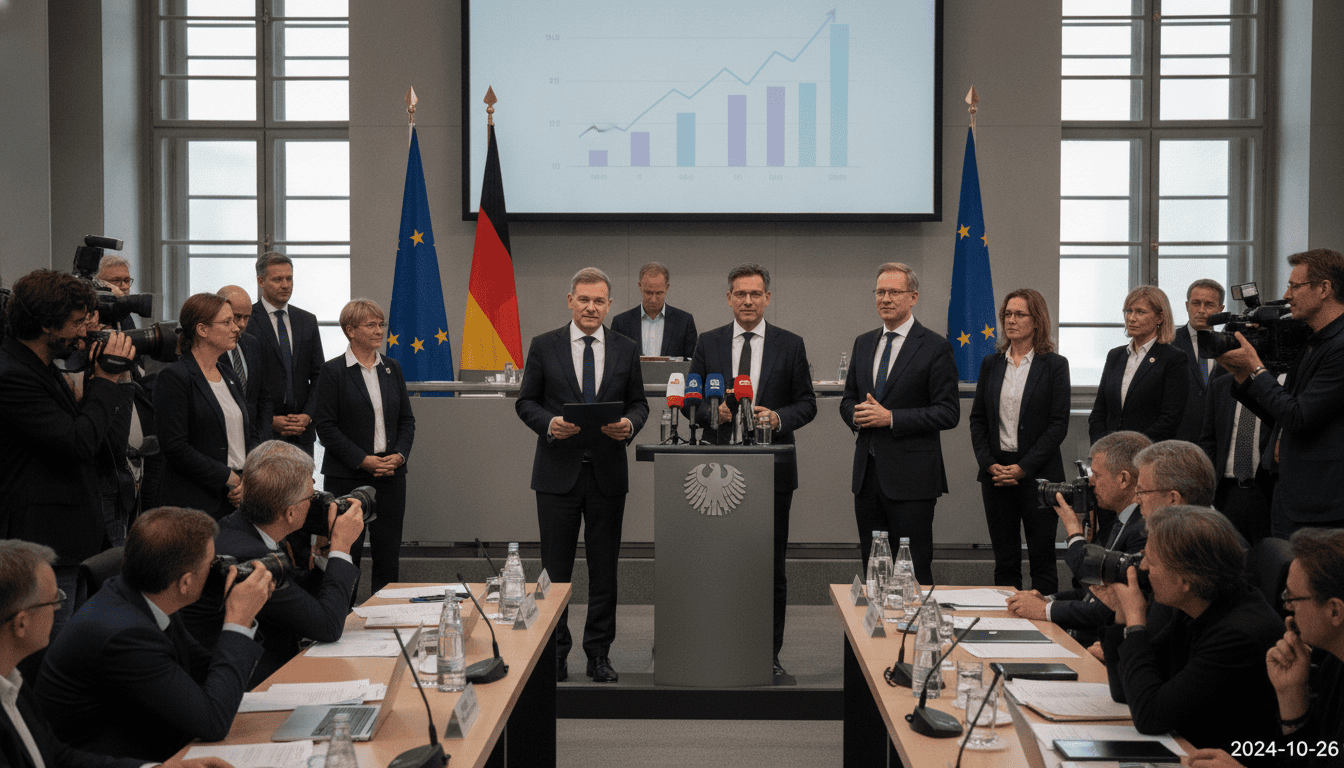
The leaders of the Union and the SPD concluded nearly eight hours of consultations at the Federal Chancellery late Tuesday, leaving the meeting without an immediate public statement on outcomes. Officials said a press conference would be held in the Chancellery garden at 9 a.m. the following morning to outline any agreements reached.
Broadcasters and wire services reported that coalition circles signaled a deal on a package aimed at growth and employment, and an apparent breakthrough on the long-contested income tax reform. Government spokespeople declined to confirm details prior to the scheduled briefing.
Reports point to a growth and jobs package
According to multiple media reports citing coalition sources, the talks produced a coordinated package intended to stimulate the economy and support employment. Elements described in press accounts include measures to boost investment and to provide targeted fiscal support for sectors facing stagnation.
Coalition aides told reporters privately that the package is intended to be comprehensive, tying near-term stimulus to structural reforms meant to raise growth potential. The reports do not yet list specific spending items or legislative timetables.
Income tax reform remains centrepiece of negotiations
The income tax reform was identified repeatedly as the central contention of the talks and appears to be a focal point of any provisional agreement. Sources cited by broadcasters said negotiators reached accord on a framework for changes to the tax code that would aim to lower burdens for many households while addressing revenue needs.
Parts of the SPD’s agenda — including proposals for a higher top tax rate and adjustments to inheritance taxation — were reported to have met resistance from Union negotiators. Coalition circles suggested the final text may blend relief measures with targeted adjustments to rates and exemptions, but exact parameters will only be disclosed at the ministry level.
Health and pension reforms already in motion
Delegates told colleagues that preparatory steps for other reform areas had been taken before the Chancellery session. A savings package for statutory health insurance has already entered parliamentary procedures, reflecting earlier cross-party agreement on measures to stabilize the system.
On pensions, Union and SPD sources said there was consensus to implement the recommendations of a commission of experts and politicians “one to one,” with a schedule for rollout expected as part of follow-up legislation. The ministries involved are reportedly drafting implementation timetables that will be presented to parliament.
Outstanding disputes and policy trade-offs
Despite the reported progress, negotiators entered the meeting with significant unresolved differences. Key points of contention included whether to raise top marginal rates, increase certain levies such as the inheritance tax, or pursue revenue through broader measures like a VAT adjustment.
Other options discussed in coalition deliberations reportedly ranged from subsidy reductions to targeted spending cuts elsewhere in the budget. Participants described a bargaining environment in which tax relief, social insurance guarantees and fiscal consolidation had to be balanced carefully to maintain coalition cohesion.
Next steps and parliamentary pathway
Ministers and parliamentary groups are expected to translate any Chancellery-level accords into draft legislation in the coming days. The coalition has indicated it plans to present a timetable for the pension and health measures alongside the income tax reform package once details are finalized.
The scheduled press conference in the Chancellery garden will be the first public account of whether the parties reached binding decisions or only agreed on principles. Lawmakers and market observers will be watching closely for concrete numbers, effective dates and revenue estimates that will determine the proposals’ feasibility in parliament.
Coalition officials stressed they intend to move quickly to legislative drafts, but they also warned that parliamentary debate will test internal compromises. The outcome of those debates will determine whether the announced measures can pass and how they will affect households and public finances in the months ahead.
