
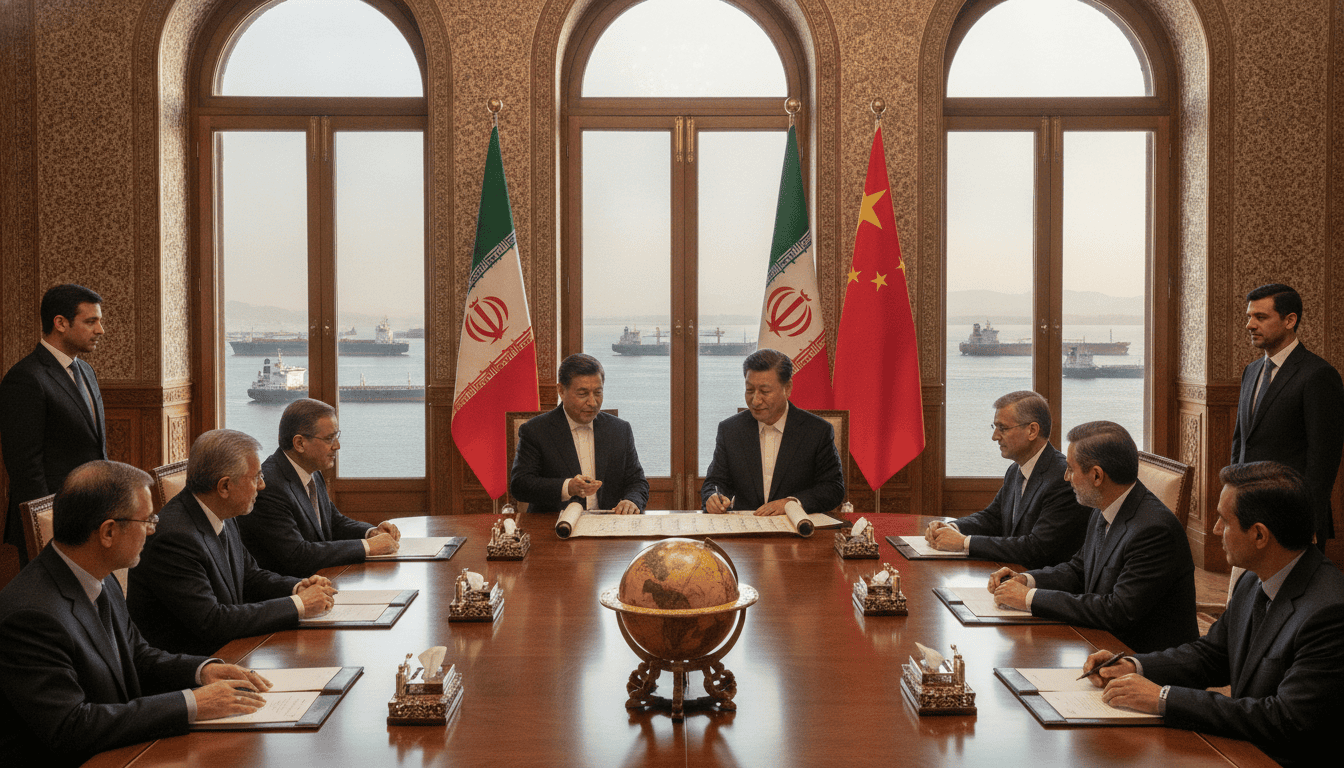
Iran Proposes Fees and Preferential Rates for Passage Through the Strait of Hormuz
Iran plans fees and special rates for partners using the Strait of Hormuz as US–Iran talks stall; Britain and France turn to Oman amid rising Gulf tensions.
The Iranian leadership has signaled plans to impose fees and offer preferential passage arrangements for allied states traversing the Strait of Hormuz, a move that would reshape commercial and strategic shipping in the Gulf. The announcement, framed by Tehran as part of a broader assertion of control after recent confrontations, arrives amid stalled negotiations with Washington and a persistent military deadlock. Western officials warn the shift could increase costs and complications for global trade while intensifying diplomatic pressure on regional intermediaries.
Iran Announces Passage Fees for the Strait of Hormuz
Iranian authorities have publicly floated charges for vessels transiting the strategic waterway, saying allied countries would receive preferred terms. Tehran frames the change as a response to what it casts as prior interference and as an instrument of sovereignty over the narrow shipping lane that carries a large share of the world’s oil and gas exports.
The move marks a departure from the previous practice, which officials note had allowed many commercial transits without direct Iranian levies before recent military escalations. If implemented, the new pricing policy would force shipping operators and flag states to reassess routing, insurance and cost structures for Gulf passage.
US–Iran Negotiations Continue under a Military Stalemate
Diplomatic exchanges between Washington and Tehran remain under way, but negotiators face the reality of a military stalemate that limits leverage on both sides. U.S. officials have few clear options to compel concessions, and Iranian leaders appear willing to trade strategic advantages for diplomatic gains at the negotiating table.
Analysts say the impasse increases Tehran’s bargaining power, enabling it to demand economic or political benefits in return for security concessions. Observers caution that any agreements reached under these conditions may leave unresolved vulnerabilities that could resurface if tensions reignite.
China and Close Partners Expected to Receive Preferential Treatment
Tehran’s proposal explicitly signals that strategic partners, notably China, could receive discounted or prioritized passage conditions, suggesting a two-tier system for users of the Strait. Such differential treatment would reflect broader geopolitical alignments and deepen the economic role of Iran’s closest partners in the Gulf.
Maritime industry sources say insurers and commercial shippers will scrutinize any formal announcement to determine the practical effect on transit costs and legal liabilities. A system that privileges certain states could prompt rerouting by others or spur calls for international oversight of the waterway.
Britain and France Pivot to Oman for Diplomatic Efforts
With direct military alternatives limited, Britain and France have shifted diplomatic attention to Oman, seeking its mediation and local influence to reduce escalation risks. The small sultanate, which borders the Strait, has long played a quiet mediator role and is now a focal point for European attempts to de-escalate tensions without direct confrontation.
European officials acknowledge Oman’s constrained capacity but hope its traditional neutrality and regional ties can facilitate practical arrangements for safe commercial passage. The move underscores how middle powers are adapting to a changed security environment where large-scale Western military interventions are less viable.
European Military Presence and Strategic Constraints
European steps in the Gulf appear calibrated and cautious, reflecting strategic limits exposed by recent clashes. France’s partial withdrawal of naval assets and Britain’s restrained posture signal a reluctance to replicate interventions that have not achieved decisive outcomes in the region.
Government statements and defense deployments indicate that European capitals prefer diplomatic channels and regional partners to costly military options. The approach recognizes that, absent a clear shift in on-the-ground power, sustained European military pressure alone is unlikely to reverse Tehran’s newfound assertiveness.
Implications for Shipping, Energy Markets and Regional Order
Any formal imposition of fees or carved-out privileges would ripple through global shipping and energy markets, potentially raising transport costs and insurance premiums for tankers and bulk carriers. Energy traders and import-dependent countries will monitor developments closely for signs of disruption that could affect crude and liquefied natural gas flows.
Beyond immediate commercial impacts, the proposal signals a broader contest over control and governance of vital maritime chokepoints. How states, companies and international institutions respond will shape the rules and norms governing the Strait of Hormuz for years to come.
The coming weeks will test whether diplomacy through Oman and other channels can produce commercially workable arrangements that preserve free passage, or whether Tehran’s pricing plan becomes a new lever in a protracted strategic standoff.
