
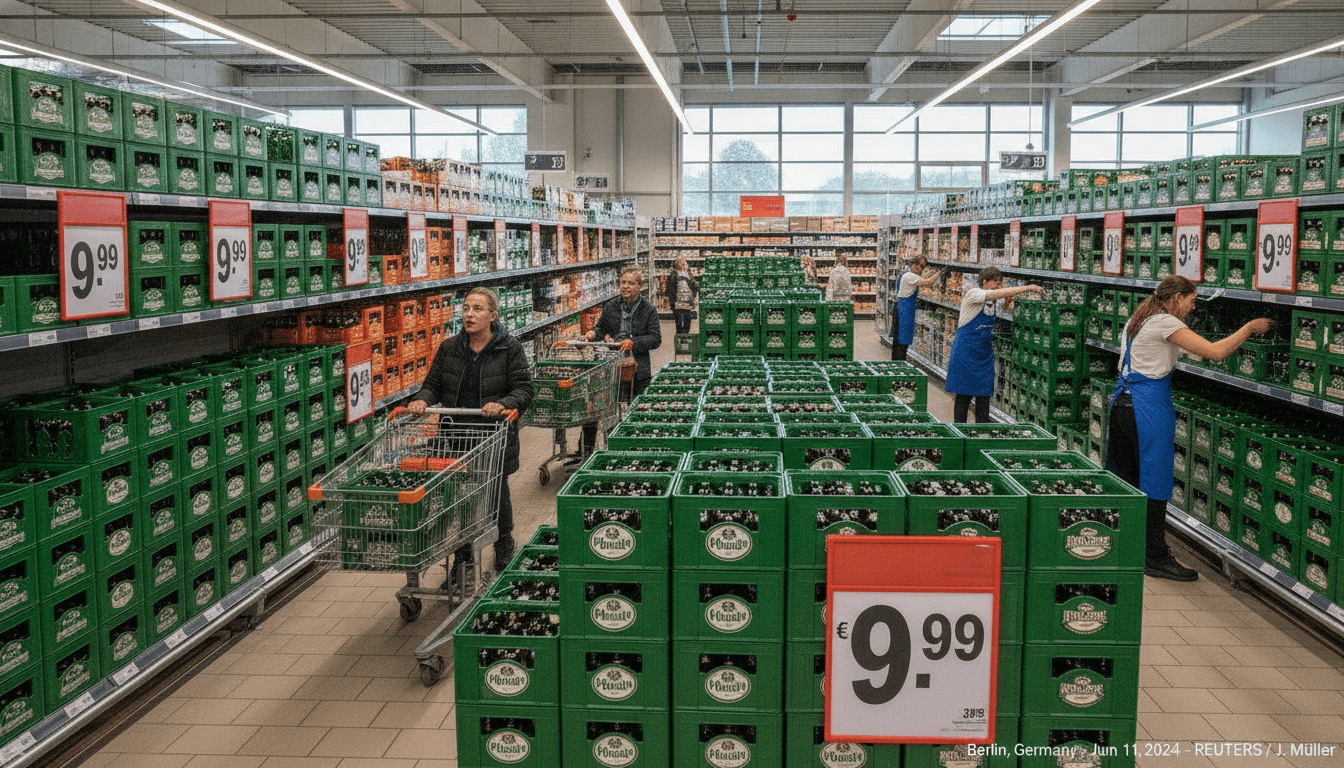
Beer price war returns as German retailers cut crate prices to €9.99 ahead of World Cup 2026
Beer price war erupts in Germany as retailers cut crate prices to €9.99 for World Cup 2026 promotions, pressuring brewers and sparking industry warnings.
The German beer market has seen a fresh beer price war as major retailers introduced temporary promotions that pushed the crate price of standard premium lager down to €9.99 ahead of World Cup 2026 kickoffs. Industry observers say the discount wave, touching many national brands and including nonalcoholic options, is aimed at capturing shopper attention during the football tournament. Trade groups warn the moves could erode the price gains brewers secured in recent years, though analysts stress the cuts may be time limited.
Retailers push the €9.99 crate into national campaigns
A coalition of supermarket chains relaunched aggressive price promotions in the days surrounding the tournament start, placing several well known pilsner and export brands just below the psychological €10 threshold. Retailers deployed multi crate discounts, in store displays and advertising to drive foot traffic and basket sizes for beer during match viewing periods. The Bundesverband des Deutschen Getränkefachgroßhandels described the pattern as a price fight that is now openly visible in shelves and weekly flyers.
Major brewers take prominent positions in promotions
Analysis of promotional listings shows national players such as Krombacher and firms within the Radeberger Group occupying many top slots in recent store offers. Global brewer AB InBev maintained a sustained tactical stance by reintroducing a €9.99 crate price for one of its flagship brands. Industry watchers note that market leaders are using the tournament window to defend or expand market share while deploying TV and digital advertising to amplify the offers.
Tournament shopping mirrors past spikes in promotional volume
Historical sales patterns indicate that international football events typically drive elevated promotional activity and short term volume gains for beer. Market researcher data from recent tournaments showed promotional sales spikes, with initial opening weeks often recording double digit increases in promotional unit sales compared with prior periods. Observers caution that while promotions lift short term volumes, they do not automatically translate to sustained lower pricing after the event concludes and full month data for June 2026 remain pending.
Trade association flags risk to brewery margins
Representatives of beverage wholesalers warned that the rapid revival of deep discounting could undercut the cautious price recovery the sector has pursued. Wholesaler spokespeople emphasized that sustained promotional pressure may squeeze brewery margins and complicate pricing strategies, particularly for smaller regional brewers with less promotional flexibility. The trade group urged a watchful industry response and suggested that many offers are clearly tied to the tournament rather than reflecting a permanent repositioning of retail price points.
Promotional mechanics and consumer response explained
Retail tactics observed include staggered discounts for multiple crate purchases, bundled giveaways, entry competitions and placement of alcohol free beers into the promotional mix. Experts note such mechanisms often shift a large share of sales into promotional channels, with some brand categories selling the majority of units on promotion during peak periods. Consumer research indicates these offers stimulate planned match day purchasing and last minute stock ups for viewing gatherings, increasing the short term elasticity of demand.
What brewers and retailers may do after the tournament
Market analysts outline a few likely trajectories once tournament demand fades, including a reversion to previously negotiated price levels, targeted loyalty offers, or a continued low price posture if rivals persist with discounts. Brewers with broad portfolio strength may choose promotional investment to protect market share, whereas smaller brewers could seek alternative trade deals or promotional partnerships to maintain volumes. Several industry observers stress that durable price erosion would require a prolonged promotional arms race beyond the seasonal tournament window.
The immediate market picture is therefore one of heightened promotion and competitive positioning rather than definitive structural change, and stakeholders will be watching sales and margin reports in the weeks following the World Cup to judge whether the beer price war has short lived effects or more persistent consequences.
