
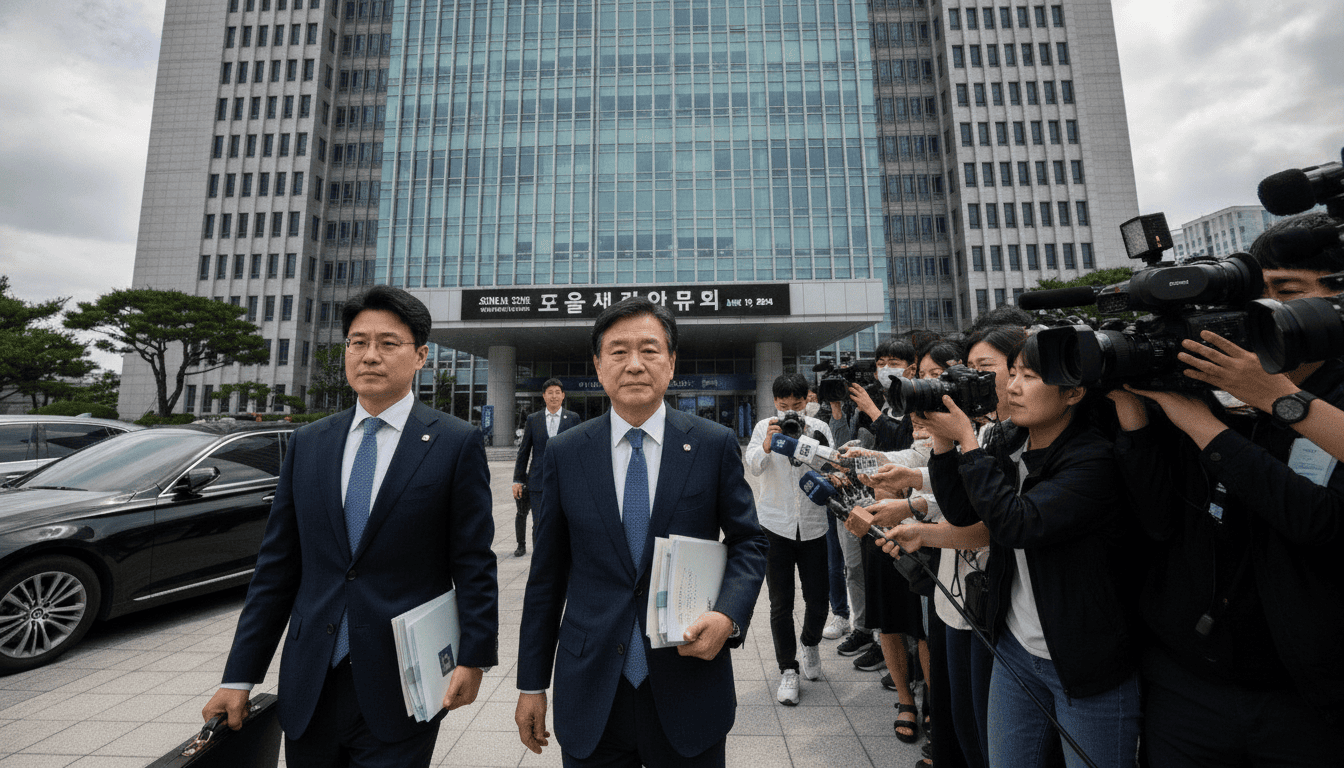
Chey settlement preserves control of SK Inc. in high-value divorce agreement
Chey settlement preserves SK Inc. control while resolving a high-value divorce claim, touching share valuation, IPO gains and legal precedent in Korea.
Chey has reached a court-approved settlement in a high-profile divorce dispute that will allow him to retain control of SK Inc., according to the agreement announced on Friday. The Chey settlement follows months of litigation in which his former spouse sought a substantial cut of his holdings in SK-linked companies and later converted that demand into a cash claim. The deal comes after an explosive period of wealth creation tied to a record-setting U.S. IPO by an SK unit that significantly boosted Chey’s net worth.
Settlement Preserves Chey’s Control of SK Inc.
The settlement agreed on Friday is materially smaller than a 2024 lower-court award, with the final amount falling nearly one-third below that earlier ruling, the court said. Crucially, the agreement and the court’s decision mean Chey will keep effective control of SK Inc., easing immediate concerns about forced divestment or a change in company governance. Chey had argued that key shareholdings were inherited and thus not subject to division, a position the court took into account when weighing the value of his stock ownership.
Court Considered Share Value and Dividends
Judges factored the market value of Chey’s equity when determining the settlement, and the ruling permits the use of SK Inc. dividends to satisfy the payment obligation, the court noted. That accommodation reduced the need for a fire-sale of shares that analysts feared might be necessary to fund a large lump-sum payout. Chey had maintained that direct holdings in SK Hynix were limited, but as the largest shareholder of SK Inc.—which controls SK Square Co., the leading investor in SK Hynix—his economic interest remained central to the court’s valuation exercise.
Roh’s Claims and Family Background
The dispute stemmed from Roh’s assertion that her contributions during the marriage helped transform the business foundations that eventually became part of the SK conglomerate, and she initially sought more than 40 percent of Chey’s SK holdings. The couple, who married in 1988 and had three children, saw their relationship become publically fraught after Chey disclosed in 2015 that he had fathered a child with another woman, a revelation that intensified public scrutiny. Roh later shifted her demand from equity to cash, a tactical move that changed the contours of the litigation and the remedies the court weighed.
IPO Windfall and Wealth Surge
Chey’s wealth climbed sharply amid a broader boom in artificial intelligence demand that propelled SK Hynix and related entities into the global spotlight, particularly after an early-July U.S. stock offering by a related SK unit raised $26.5 billion. That IPO—recorded as the largest by a foreign issuer in the United States—helped drive a pronounced increase in Chey’s net worth; indexes tracking billionaire fortunes showed his wealth more than doubled last year by roughly $5.6 billion. The timing of the settlement meant that much of the windfall’s value was part of the calculus in determining fair compensation to Roh.
Market Reaction and Investor Sentiment
Shares of SK Inc. were volatile on trading days surrounding the court announcement and closed down about 3.8 percent after a choppy session, reflecting investor jitters about possible forced sales or shifts in control. Market participants had feared that a court-ordered transfer or liquidation of substantial holdings would put pressure on equity prices and corporate strategy, and the settlement eased some of those immediate risks. Financial managers watching the case said the court’s flexibility on dividend use and retention of managerial control were key factors calming short-term market concerns.
Legal Experts Say Case May Set a Precedent
Legal practitioners warn the settlement could become a reference point for how Korean courts assess a spouse’s contribution to the growth of family-run conglomerates when dividing assets in divorce cases. Attorneys noted that the case turned on whether political and social capital, as well as private family support, can be quantified and translated into a portion of corporate wealth, an issue that has taken on greater prominence as corporate succession and inheritance patterns evolve in South Korea. Observers from firms including the DongIn Law Group said future disputes over succession and divorce among chaebol families are likely to cite this judgment in arguing for or against recognition of non-financial spousal contributions.
Broader Implications for Family-Controlled Groups
Beyond the immediate parties, the Chey settlement highlights the tensions between concentrated family ownership, rapid corporate growth tied to global capital markets, and evolving legal standards for asset division. If Korean courts increasingly recognize broader forms of contribution by spouses as claimable in divorce, family-controlled business groups may face heightened litigation risk and new expectations around succession planning. Corporate governance advisors say boards and controlling families will likely reassess structures and protections to reduce the chance that personal disputes could trigger corporate disruption.
The case closes a contentious chapter for the family and SK-linked businesses, but legal experts and investors alike say its effects will reverberate through boardrooms and courtrooms for years, influencing how wealth, control and marital contribution are balanced in the governance of Korea’s largest conglomerates.
