
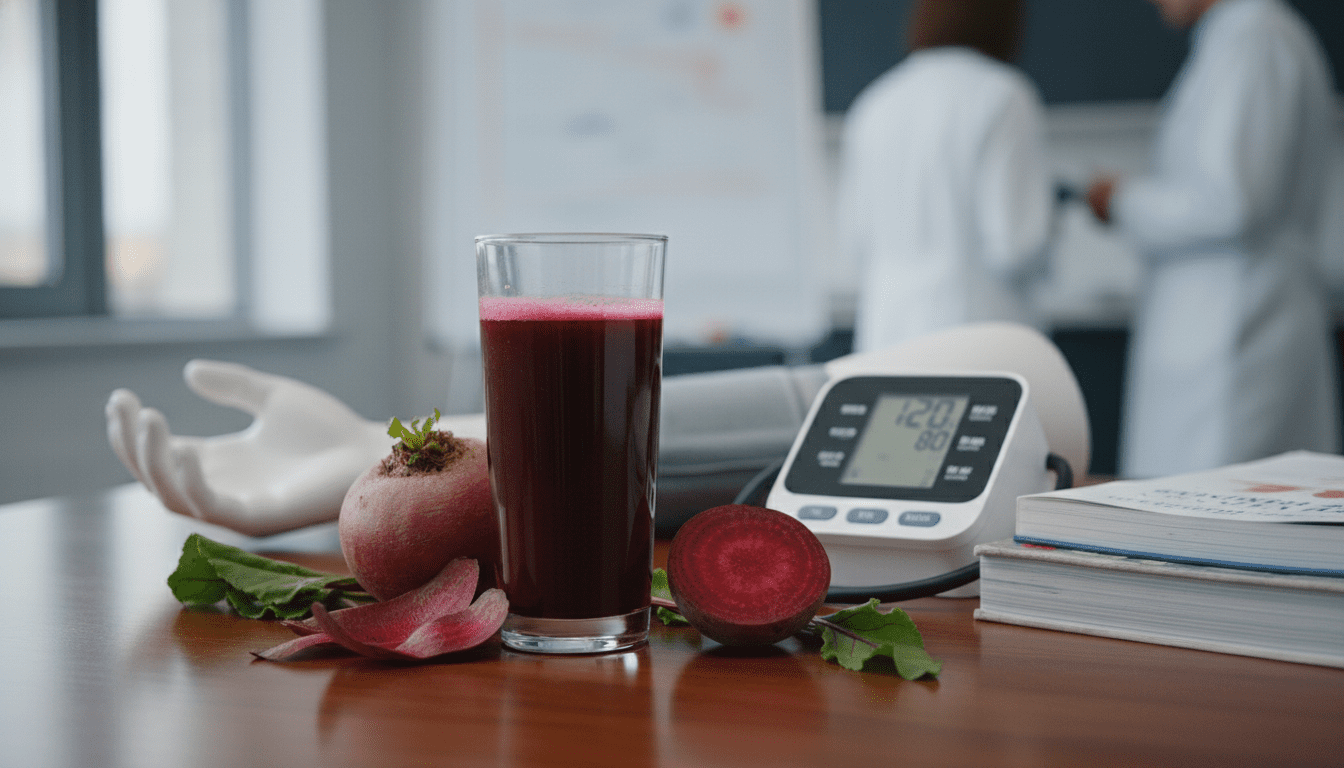
Beets and Blood Pressure: Review Finds Beetroot Juice Lowers Systolic Pressure by About 5 mmHg
Research shows beets and blood pressure are linked: nitrate-rich beetroot juice may lower systolic pressure by ~5 mmHg, though effects differ by form and individual.
Beets and blood pressure have attracted renewed attention after a recent research review found that concentrated nitrate from beetroot can produce measurable reductions in systolic blood pressure. The analysis, which examined trials using nitrate-rich beetroot juice, reported an average drop of roughly 5 mmHg in the top number of blood pressure readings. Researchers emphasized that the effect was specific to systolic pressure and did not consistently affect diastolic or 24-hour blood pressure measures.
New review quantifies effect on systolic blood pressure
A 2024 research review summarized randomized trials that administered between 200 and 800 milligrams of dietary nitrate, typically via beetroot juice, and observed modest reductions in systolic blood pressure. The magnitude of the change—around 5 mmHg—aligns with other dietary interventions considered beneficial for cardiovascular risk. Investigators cautioned that not all studies showed uniform results and that benefits varied by study design and participant characteristics.
How nitrates convert to vascular relief
Dietary nitrates in beets are metabolized into nitric oxide, a molecule that relaxes and dilates blood vessels, improving blood flow and reducing resistance in the arterial system. This endothelial effect—meaning improved health of the blood vessel lining—helps arteries relax more readily and can lower systolic pressure. The biological pathway explains why nitrate-rich foods produce a short-term vascular response after consumption.
Juice versus whole beets: concentration matters
Clinical trials more often use beetroot juice because it delivers nitrates in a concentrated form, producing stronger immediate effects than whole beets. Comparative research has shown that a daily serving of raw beet juice produced larger improvements in vascular function than an equivalent weight of cooked beets over two weeks. Whole beets remain a valuable source of nitrates, but their lower per-serving nitrate content and higher fiber content mean the blood-pressure response may be smaller or slower to appear.
Who appears to gain the most benefit
Data from the reviewed studies suggest heterogeneity in response: people with higher baseline blood pressure, males, those under 45, and individuals with higher body weight tended to show larger effects in some trials. Researchers stress that these subgroup findings are provisional and call for more targeted research to confirm which groups derive the greatest sustained benefit. Importantly, individual response can be influenced by overall diet, medications, and lifestyle factors.
Dietary trade-offs and nutrient profile
Beyond nitrates, beets provide potassium, folate, fiber, and antioxidants that support cardiovascular health in complementary ways. For example, a 250-milliliter serving of beetroot juice contains roughly 2.7 grams of fiber-equivalent nutrients compared with about 7.6 grams of fiber in 250 grams of raw beets, reflecting the processing differences between juice and whole vegetable. Other nitrate-rich vegetables — including spinach, arugula, celery, parsley, lettuce, fennel, cabbage and turnip — can contribute similar vascular benefits when included as part of a balanced diet.
Practical ways to add beets to a heart-healthy diet
Dietitians and researchers recommend a range of preparation methods to boost intake without relying solely on juice. Raw shredded beets brighten salads and retain fiber, while roasted or boiled beets make a nutrient-dense side dish. Beetroot powder and blended smoothies are convenient options to increase nitrate consumption, and small daily servings of juice can be used tactically when a concentrated nitrate boost is desired. Canned beets are acceptable if selected without added sugar or excess salt.
Experts emphasize that beets are not a standalone cure for hypertension and should complement broader lifestyle measures. Sodium reduction, regular physical activity, adequate sleep, weight management and adherence to prescribed antihypertensive therapy remain the cornerstone strategies for long-term blood pressure control. Clinicians advise patients to discuss dietary changes with their healthcare provider, especially if they take blood-pressure medications or have conditions that affect nitrate metabolism.
Beets and blood pressure research points to a promising, food-based strategy for modest systolic reductions, but the clinical significance depends on individual context. Incorporating nitrate-rich vegetables into a balanced diet can be a sensible adjunct to established heart-health practices, and ongoing studies will help clarify optimal doses, delivery forms, and the long-term impact on cardiovascular outcomes.
