
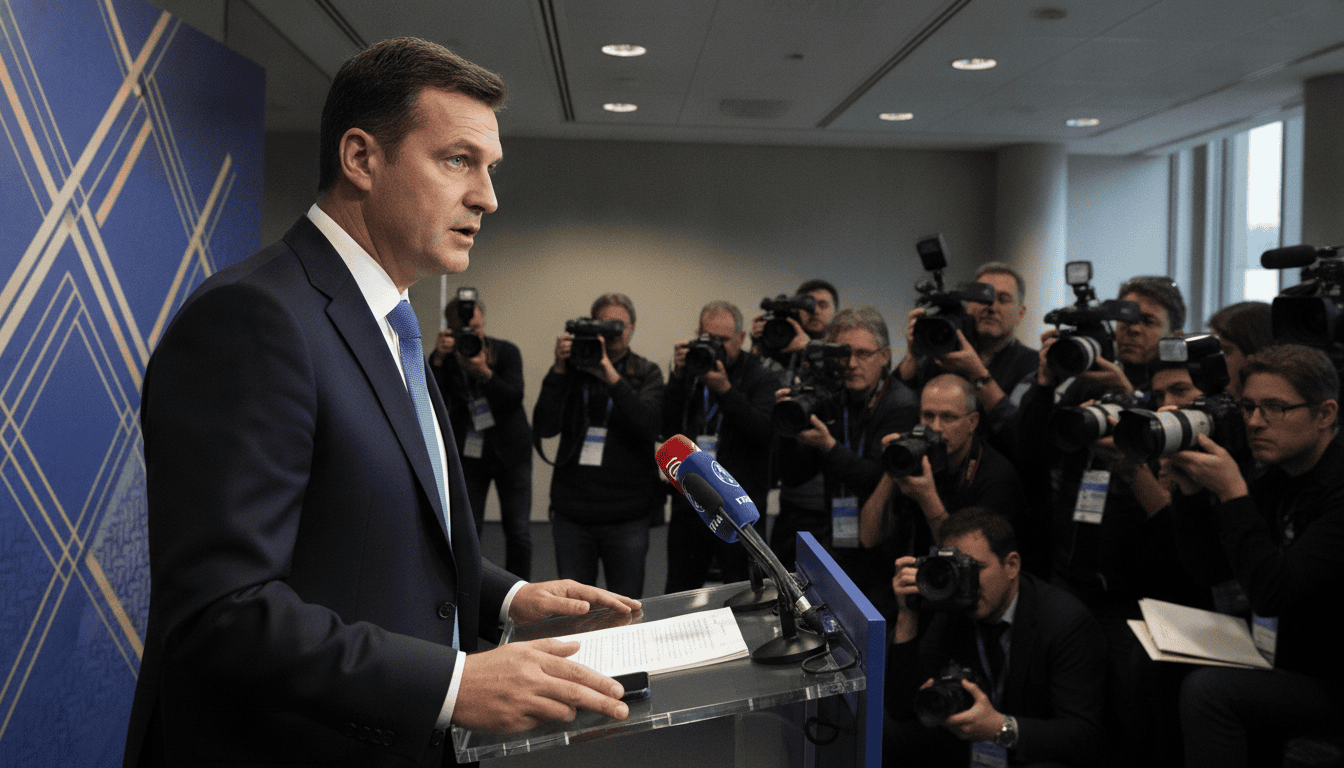
UEFA Denounces FIFA Investor Plans as “Shabby” After Infantino Halts Proposal
UEFA demands culture change after FIFA investor plans were withdrawn on August 1, 2026; federations seek accountability, transparency and a new framework for distributing funds.
The European football governing body on August 1, 2026 publicly condemned the recently withdrawn FIFA investor plans and demanded a fundamental cultural shift at the world federation. UEFA said the proposal to transfer parts of World Cup commercial rights to an investor-backed subsidiary — described by critics as secretive and rushed — had eroded trust across the football family. FIFA president Gianni Infantino announced overnight that the idea would no longer be pursued, but UEFA warned the decision cannot be an end point and urged concrete reforms.
UEFA’s sharp rebuke of the proposal
UEFA issued a statement on August 1 that went beyond routine criticism, arguing the federation had lost trust in FIFA’s leadership under the proposed arrangement. The statement accused FIFA of advancing a “shabby and opaque” deal negotiated behind closed doors and called for an investigation into who engineered the plan. UEFA insisted that such transactions, if ever considered, require full transparency and the explicit consent of member associations.
Continental opposition and the reversal
The withdrawal followed sustained opposition from European members and pushback from confederations in Asia and North and Central America. National associations, players and some political figures had signaled their disapproval in recent days, creating broad resistance to the proposed sale of World Cup rights. Under mounting pressure, and after setting a consent deadline of September 19, 2026 for member approval, FIFA announced it would not move forward with the investor sale.
Accusations of broken promises and financial mismanagement
UEFA’s statement also accused Infantino of breaking two key commitments he made after his 2015 election: greater transparency and the use of FIFA funds for the benefit and development of the game. The confederation pointed to FIFA reserves reportedly exceeding $5 billion and questioned why those resources had not been deployed to support football development. UEFA argued that proposing an investor sale while substantial reserves exist contradicted Infantino’s earlier pledges to member associations.
Calls for accountability and governance reform
Beyond celebrating the withdrawal of the investor proposal, UEFA demanded that those responsible be identified and held accountable. The confederation said it would work “without delay” with partners and stakeholders across football to develop a new approach to resource distribution under the existing FIFA Forward program. UEFA’s call frames the episode as symptomatic of deeper governance problems that require structural remedies rather than a simple policy reversal.
Commercial questions and rights strategy under scrutiny
At the centre of controversy was a commercial model that would have moved World Cup rights into a company potentially part-owned by outside investors. Proponents argued the move could unlock large sums for FIFA and its programs, while critics warned it risked transferring long-term public sporting assets into private hands. The episode has renewed debate over how to balance commercial growth with stewardship of football’s global competitions and whether member associations should have stronger oversight of major rights deals.
Political fallout and leadership pressure
The failed proposal intensified scrutiny of FIFA’s leadership and sharpened calls for change beyond the immediate issue of rights sales. European federations and some national authorities publicly urged greater governance safeguards, while commentators warned the reputational damage could complicate commercial partnerships and sponsor confidence. For Infantino personally, the episode has increased pressure from parts of the football community and from political figures who say leadership must be demonstrably more transparent.
Looking ahead, UEFA has signalled it will propose alternative mechanisms for distributing FIFA Forward resources and for ensuring member associations are consulted on strategic commercial decisions. FIFA’s next steps will be watched closely by confederations, national associations and commercial partners, all of whom have an interest in stable governance and predictable revenue streams.
The withdrawal of the FIFA investor plans marks a pivotal moment in debates over the governance and commercialization of global football, but UEFA’s insistence on investigations and system-wide reform suggests the dispute will shape discussions about FIFA’s future direction in the months ahead.
