
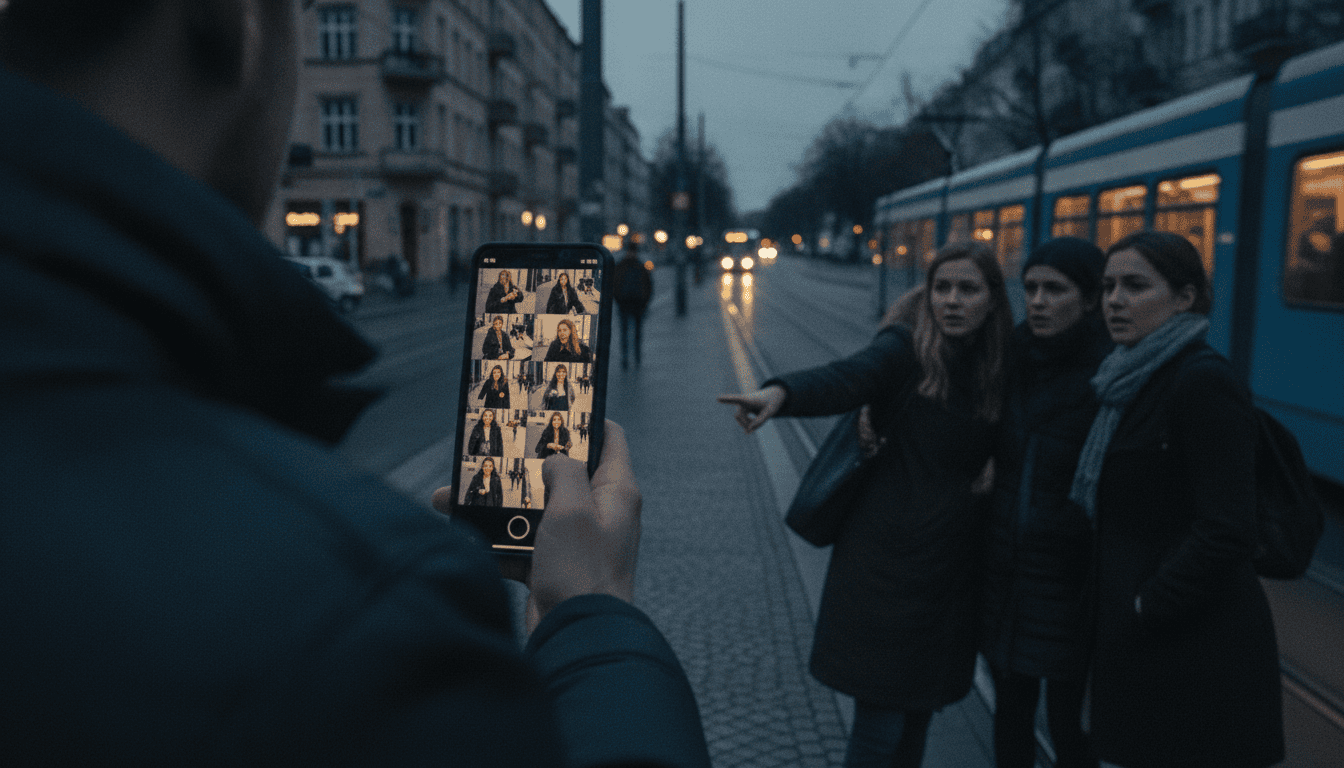
Viral videos show man filming women in Berlin’s Mitte, prompting safety and privacy concerns
Viral clips of a man filming women in Berlin’s Mitte have drawn millions of views and fresh debate over public safety, consent, and social-platform enforcement.
A series of first-person videos capturing a man approaching and recording women in public spaces in Berlin has circulated widely on social media, raising alarms about consent and street safety. The footage, posted to TikTok and Instagram under the names shown as “Mo” and “Mohammad S.,” includes multiple encounters across Mitte and has drawn millions of views on short-form platforms. One clip in which the man follows a woman into an elevator attracted particular attention after viewers described the scene as unsettling. The pattern has prompted calls for clearer action from platforms and local authorities.
Viral Footage Surfaces on TikTok and Instagram
In the videos, the camera is held from the man’s perspective as he approaches passersby, often speaking directly to women in English while keeping the device trained on them. Several uploads have circulated under the handle “Mo” on TikTok and as “Mohammad S.” on Instagram, where the content has reached a broad audience. Across platforms the clips have provoked strong online reaction, with some posts accumulating millions of views and rapid sharing.
One widely discussed clip shows the man following a woman into an elevator, a moment that many viewers described as invasive and alarming. In other uploads he strides up to people near landmarks and in everyday settings, continuing to film while the subjects appear unaware or visibly uncomfortable. The videos are presented as casual encounters but have been criticized for crossing boundaries of consent and personal safety.
Patterns and Locations of Encounters
Reporters and social media viewers have identified a recurring set of locations in central Berlin where the recordings were made, including the Museumsinsel, parks, bookshops and street crossings. The footage often places events in Mitte, suggesting the content was shot over multiple days in the same district. These public settings underline the difficulty of policing non-consensual recording in busy urban areas.
Observers note a consistent approach style: the man addresses women confidently in English and keeps the camera close enough to capture facial reactions. The pace and staging in several clips give the impression that encounters are being sought out rather than happening spontaneously. That pattern has heightened concern among residents who say the behaviour feels persistent rather than incidental.
Reactions from Bystanders and Women Filmed
Several people who viewed the videos online called out the recordings as voyeuristic and disrespectful, and some said the clips triggered immediate fear for the women shown. Comments on reposted material describe shock at the elevator clip in particular, where the woman visibly recoils when she realizes she is being filmed. Eyewitnesses who encountered the individual in person reported discomfort and said they would consider reporting similar incidents to police.
At this stage it is unclear how many of the women in the footage were aware they were being filmed or have made formal complaints. Local advocacy groups and some social-media users have urged those depicted to seek support and have offered guidance on how to report non-consensual recordings. The emotional impact on the people filmed has become a central part of the online discussion.
Platform Moderation and Viral Spread
Short-form video platforms have faced renewed scrutiny as the clips propagated quickly through recommendation algorithms and reposts. The rapid spread illustrates how content that some users find troubling can nonetheless reach large audiences before moderation teams intervene. Creators and viewers have debated whether the posts should be removed, restricted, or left for public scrutiny and discussion.
Content moderation teams typically rely on reports and automated detection to flag problematic posts, but such systems can lag behind viral momentum. Platform policies on recording and harassment vary and are often applied case by case, which can leave victims and bystanders dissatisfied. The situation in Berlin has reignited broader questions about how social media balances free expression with protection from invasive behaviour.
Legal and Privacy Concerns for Image Rights
Experts and commentators say the recordings raise legal and privacy issues that can be complex in practice, particularly when they occur in public spaces. While public locations may limit certain protections, publishing identifiable images or videos of individuals without consent can still implicate image and personality rights, and may lead to civil or criminal complaints depending on the circumstances. Victims and witnesses have been advised to document incidents and seek legal advice if they consider pursuing a complaint.
Data protection considerations can also come into play when content is stored and disseminated online, and platforms may have obligations under privacy rules to respond to lawful requests. Authorities typically assess reports by weighing intent, harm, and whether the recordings were taken or shared with malicious purpose. For many affected residents, however, the primary concern remains immediate physical and psychological safety rather than technical legal distinctions.
Calls for Local Authorities and Civil Society to Act
Community groups, digital-rights advocates and some local residents have called for clearer guidance from both city authorities and platforms to prevent similar incidents. Suggestions include targeted awareness campaigns, better signage in tourist-heavy areas about consent and filming, and streamlined reporting channels for victims. Activists also urge social networks to expedite reviews of potentially harmful content and to provide more visibility into their moderation decisions.
Police and municipal officials in other recent cases have emphasized the importance of early reporting so investigators can establish timelines and collect evidence. Civil-society groups say that a combination of enforcement, education and platform accountability will be necessary to address the underlying behaviours that give rise to these viral recordings. Conversations sparked by the Berlin clips are likely to continue as communities seek practical responses.
The circulation of these videos has renewed debate about how public spaces, social media and personal privacy intersect in daily urban life. The footage has forced residents and platform operators alike to confront how a moment captured on a smartphone can ripple quickly into a wider conversation about consent, safety and the responsibilities of those who record and share images of others.
