
FIFA Abandons Investor Plans After Global Backlash
FIFA abandons investor plans after intense backlash from UEFA and others, cancelling a proposed sale of World Cup commercial rights and FFE project abruptly.
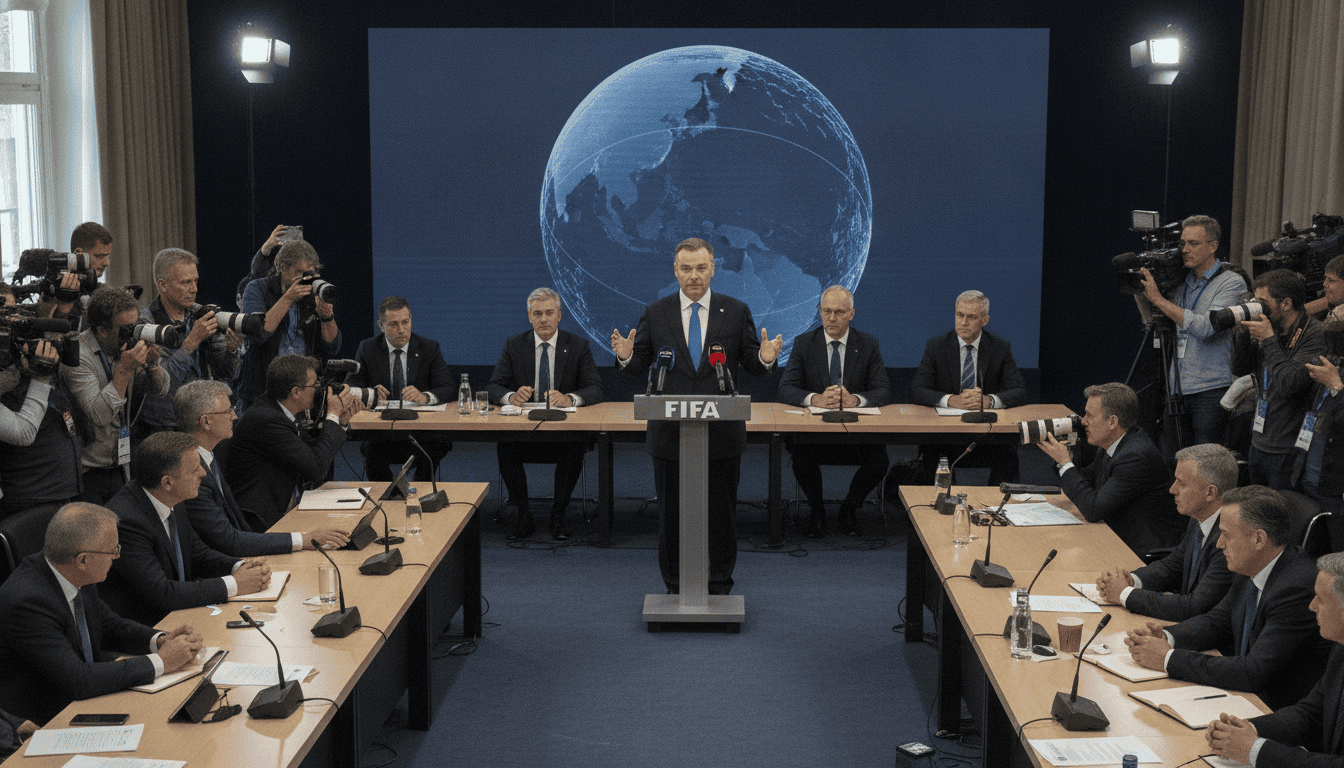
FIFA announced it will not pursue its proposed investor plan, withdrawing a highly contested proposal to sell a stake in its commercial rights. The reversal follows days of mounting opposition from continental federations and internal resignations, which officials said risked splitting the global football community. The decision ends plans for a new subsidiary intended to channel outside investment tied to World Cup revenues.
Infantino frames decision as unity-preserving
In a late-night statement, FIFA President Gianni Infantino said the organisation would shelve the investor proposal after consultation with members and stakeholders. Infantino said the project had caused divisions that were no longer in the interest of football’s wider goals, and that uniting the membership would be the immediate priority. He pledged to engage federations and stakeholders in the coming days to restore consensus and focus on development programs.
Infantino emphasised that FIFA’s mandate is to improve the game worldwide and to support associations that most need assistance. He framed the withdrawal as a return to that mission rather than a defeat, signalling a shift from a commercial initiative to renewed stakeholder engagement. The president’s language sought to defuse criticism while acknowledging the political cost of the proposal.
Plan involved sale of commercial rights and creation of FFE
The abandoned plan envisaged selling a portion of FIFA’s commercial rights, including revenues tied to the World Cup, to external investors in exchange for an upfront payment. To execute the deal FIFA had proposed creating a new vehicle, FIFA Forward Enterprise (FFE), which would have housed the rights and managed investor participation. Reports indicated FIFA had set an internal deadline of September 19 for member approval and had proposed special financial incentives to secure consent.
Critics argued the structure would transfer control over long-term revenues to private interests and alter the federation’s fiduciary responsibilities to its members. Supporters within FIFA had presented the approach as a way to generate a multi-billion-dollar infusion to fund development projects and increase financial stability. With the proposal now withdrawn, those financial assumptions and the future of FFE are uncertain.
Continental federations mount coordinated resistance
The European confederation UEFA was among the loudest critics and had warned of drastic reprisals if the investor model went ahead. UEFA declared that its national teams would not participate in FIFA competitions while the proposal remained active, an unprecedented threat that intensified pressure on FIFA’s leadership. Other confederations, notably Concacaf and the Asian Football Confederation (AFC), also distanced themselves from the plan, citing governance and ethical concerns.
South America’s Conmebol initially declined to take a definitive position and requested further information, reflecting divergent views across regions. The public fracturing among continental bodies underscored how the investor plan had become a flashpoint in debates over commercialisation and the stewardship of football’s global assets. The coordinated resistance from key federations made broad approval politically unlikely.
Senior advisor resigns in protest
The internal backlash extended to FIFA’s own ranks when a senior adviser to the president resigned publicly in protest over the investor proposal. Carlos Cordeiro, a former national association president who had served as an adviser since 2021, said he could not support plans that treated World Cup assets as saleable property. He described the initiative as a poor deal for member associations and detrimental to the sport’s long-term interests.
Cordeiro’s resignation amplified questions about the level of internal consensus for the plan and added weight to critics who argued the proposal was rushed. His departure was framed by observers as a significant reputational blow to FIFA’s leadership, signalling that objections were not limited to external bodies but present among trusted advisers.
Financial and governance concerns fuel opposition
Opponents of the investor approach raised both practical financial objections and governance warnings, arguing that selling future World Cup income could undermine FIFA’s role as a steward for member associations. They warned that turning revenue streams into investor assets might limit FIFA’s flexibility to fund development programs and could bind future leaders to commercial obligations. Many federations also cited moral considerations about transferring control of a global sporting asset entrusted to FIFA for the benefit of future generations.
Supporters had proposed that a one-off capital injection would accelerate infrastructure and grassroots projects, but critics questioned whether the short-term gain outweighed long-term costs. The debate brought broader scrutiny to FIFA’s commercial strategy and governance structures, prompting calls for greater transparency and member-led decision making on major financial reorganisations.
Next steps and outlook for FIFA governance
With the investor plan off the table, FIFA faces an immediate task of repairing relations with continental bodies and rebuilding trust among its membership. Infantino said he would convene discussions intended to restore unity and to focus resources on regions most in need of support. The federation now must determine alternative funding models to support development programs without ceding control of commercial rights.
The episode is likely to prompt renewed attention on FIFA’s governance processes and the mechanisms by which major commercial changes are proposed and approved. Whether the organisation adopts more consultative procedures or returns to similar commercial ideas in a different form will be watched closely by federations, governments and sponsors. For now, the reversal marks a clear pause in efforts to transform FIFA’s commercial model.
The withdrawal closes a controversial chapter but leaves unresolved questions about how global football will balance commercial opportunity with collective stewardship.
