
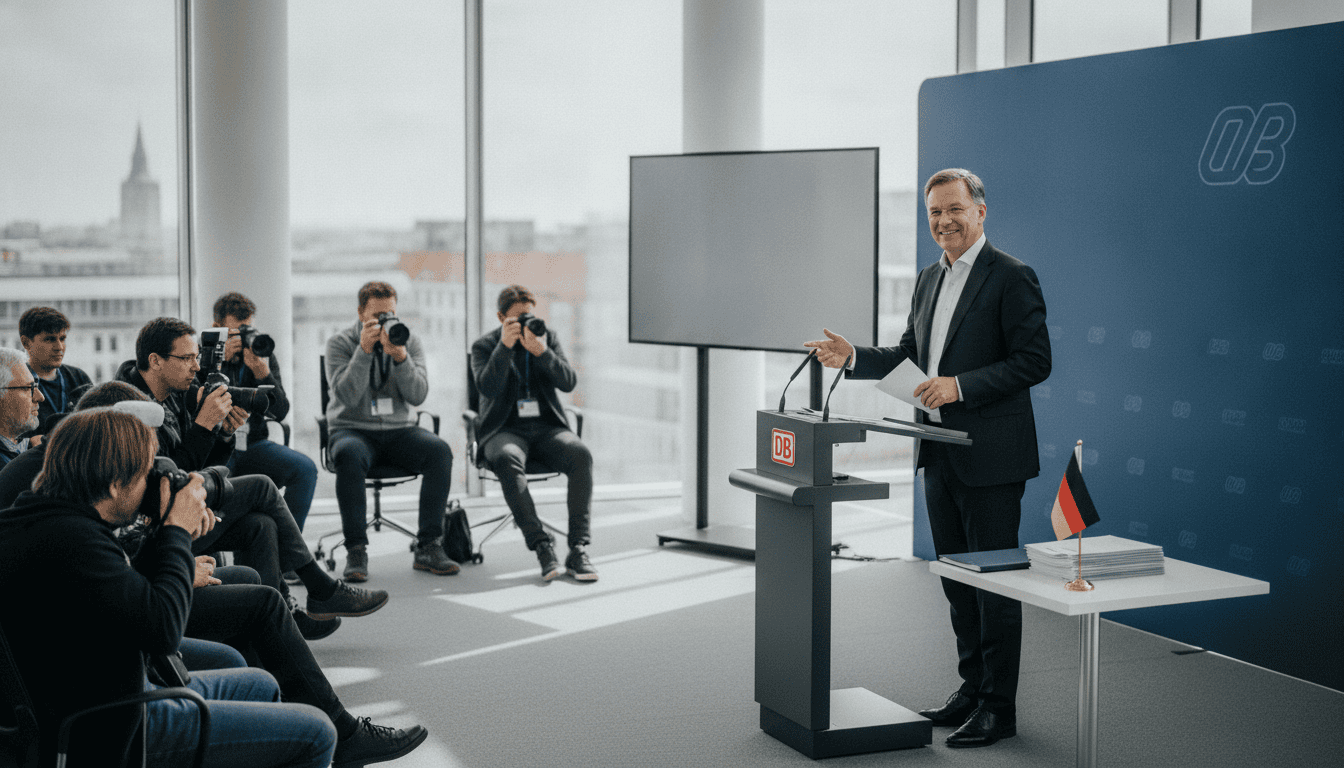
Deutsche Bahn posts €147m H1 2026 profit, first positive result since 2019
Deutsche Bahn reports a €147 million after-tax H1 2026 profit — its first since 2019; revenue rose to €13.6 billion and passenger trips reached about 960 million.
Deutsche Bahn has returned to a positive half-year result for the first time since 2019, reporting a €147 million after-tax profit in the core business for the first six months of 2026. Revenue rose 1.8 percent to €13.6 billion while passenger travel increased modestly, to roughly 960 million journeys in the period. The result contrasts with a €760 million loss in the same period last year, reflecting both operational gains and ongoing investments across the group.
Profit breakthrough and segment performance
The company’s consolidated statement shows that long-distance services delivered a notable contribution, with the Fernverkehr unit posting roughly €148 million in profit. Regional operations under DB Regio also moved back into positive territory, reporting about €89 million. By contrast, DB Cargo remained marginally in the red, with a loss close to €1 million for the half-year.
Revenue growth and passenger trends
Passenger volumes rose by 1.8 percent year-on-year, according to the company, driven by sustained demand across both regional and long-distance routes. Ticket revenue and ancillary income helped lift top-line sales despite a soft macro backdrop. Management highlighted that modest growth in journeys combined with targeted cost control measures supported the improved earnings performance.
Rising investments push group debt higher
While profitability improved, Deutsche Bahn’s balance sheet shows increased leverage as investments accelerated. Group debt grew by approximately €1 billion to about €21.6 billion, reflecting higher capital spending compared with the first half of 2025. The company said the jump in borrowing is linked to intensified renovation and modernization projects for the rail network as well as rolling stock renewals.
Restructuring, cost cuts and DB 2035 strategy
Executives credited parts of the better result to the ongoing restructuring program, which includes savings measures, a leaner central management layer and changes at internal service providers. The reforms are intended to shift decision-making closer to operating units and to underpin the long-term DB 2035 strategy. Management emphasized that the accounting improvement does not mean operational challenges have been resolved and that quality targets remain a priority.
Network condition and punctuality remain concerns
Despite the positive headline figures, Deutsche Bahn acknowledged that the condition of the rail network and punctuality metrics have not yet reached desired levels. Company leadership has warned that restoring reliable, stable service will take years, estimating a multi-year timeline before the system achieves consistent performance. The firm and the federal government continue to commit billions annually to track rehabilitation and infrastructure upgrades to address those shortfalls.
Political reaction and risks for the freight business
Newly appointed Transport Minister Steffen Bilger (CDU) described the numbers as encouraging and said he planned meetings with the Deutsche Bahn chief executive and union representatives to discuss the results and operational priorities. Officials also noted media reports that previewed the figures before their formal release. A central concern for regulators and policymakers is the freight division: continued losses at DB Cargo could trigger scrutiny from the European Commission and possibly lead to remedial measures if deficits persist.
The half-year turnaround offers Deutsche Bahn a measure of financial breathing room as it accelerates investment and pursues structural change, but executives and politicians alike stress that significant work remains. Restoring network reliability, improving punctuality and stabilizing the freight business are all listed as critical milestones on the way to the company’s longer-term goals.
