
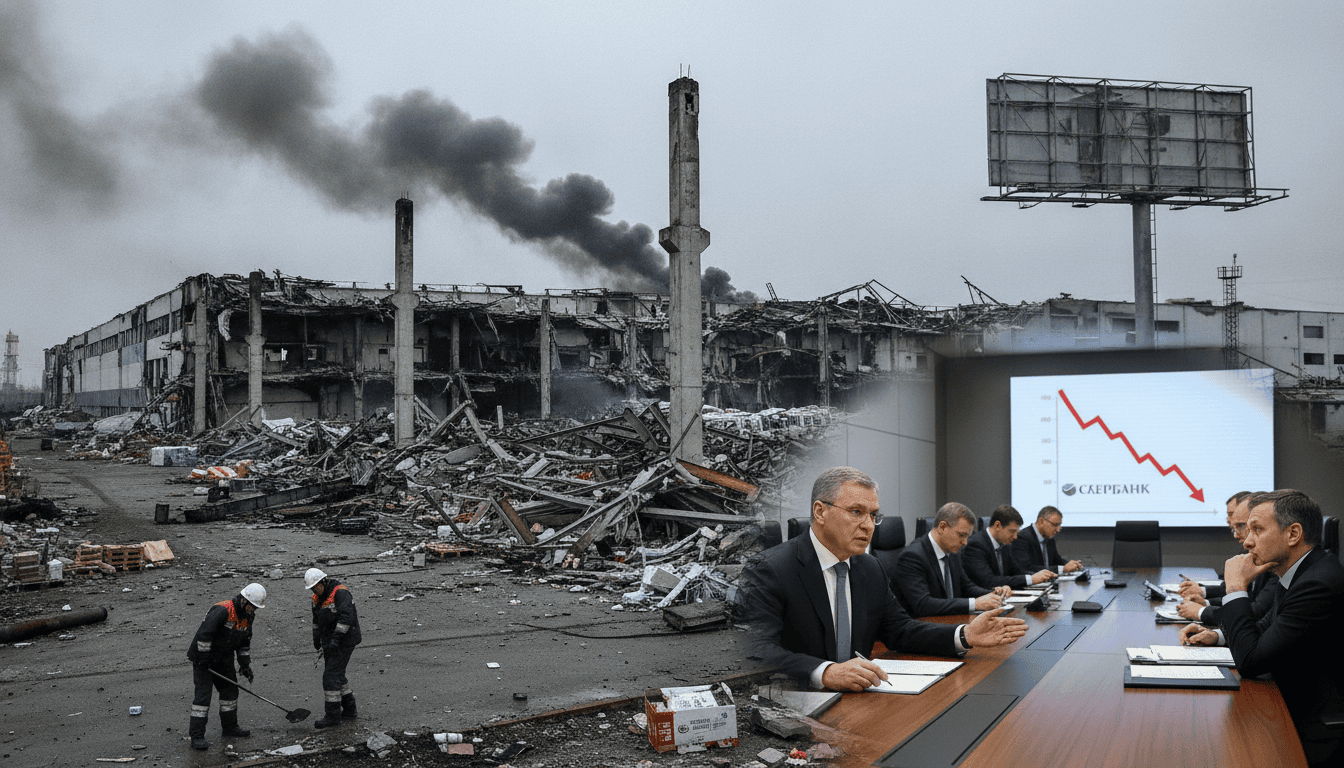
Ukrainian Airstrikes Destroy Wildberries Warehouses, Triggering Supply Disruptions and Economic Warnings
Wildberries warehouses hit by Ukrainian airstrikes have been destroyed, causing sharp disruptions to Russia’s largest domestic e-commerce operator and prompting warnings from the country’s top bank of new problems and weaker growth.
Airstrikes Destroy Multiple Wildberries Warehouses
Ukrainian air operations struck and destroyed several Wildberries warehouses, according to company and local reports. The facilities, used to store and distribute consumer goods across wide regions, were severely damaged or rendered inoperable.
The attacks immediately removed key nodes from Wildberries’ logistics network, complicating shipment schedules and inventory management. Company officials have yet to provide a full inventory of losses, leaving retailers and customers with limited visibility into the scale of damage.
Immediate Operational Disruptions
Wildberries has faced abrupt interruptions to order fulfillment, with some deliveries delayed or cancelled as inventory routes were rerouted. The loss of warehousing capacity has forced the company to rely on remaining hubs and third-party logistics partners to cover shortfalls.
Employees at affected sites and drivers in adjacent regions reported chaotic operations in the days following the strikes. Customers attempting to track orders encountered longer lead times, while some sellers reported blocked listings and suspended shipments.
Effects on Russian E-commerce and Retail
The strikes on Wildberries warehouses have ripple effects across Russia’s e-commerce sector, where the company is a dominant marketplace for third-party merchants. Smaller sellers that depended on Wildberries’ warehousing services now face inventory bottlenecks and limited access to national distribution channels.
Retailers and supply-chain managers warn that the disruption could shift consumer purchasing patterns toward physical stores or alternative online platforms. If warehousing capacity remains constrained, price volatility for goods with limited availability may increase in regional markets.
Bank Signals Economic Slowdown
In the wake of the warehouse damage, the country’s most important bank warned that these logistics shocks will produce fresh economic headwinds and could depress growth. The bank cited interruptions in distribution and rising costs for businesses that must seek alternative logistics arrangements.
Analysts said such statements from a major financial institution underline how infrastructure attacks can propagate into macroeconomic metrics. Reduced consumer confidence and higher operating costs for retailers may combine to lower retail sector output and weigh on broader GDP figures.
Logistics Industry Response
Logistics providers and carriers have begun reallocating resources to absorb displaced volumes from Wildberries warehouses. Temporary storage contracts, ad hoc distribution corridors, and chartered transport have been deployed to restore some continuity in deliveries.
Industry executives noted the strain on spare capacity, emphasizing that rerouting increases lead times and raises costs for both carriers and shippers. Long-term fixes will require investment in new storage sites and contingency planning to buffer against future disruptions.
Geopolitical and Long-term Implications
The targeting of commercial logistics infrastructure highlights a growing convergence of military action and economic disruption in the region. Observers say attacks on distribution networks are intended to undermine supply chains and exert pressure on domestic markets and institutions.
For Wildberries, the strikes may accelerate strategic shifts toward decentralizing storage, expanding regional micro-fulfillment centers, and strengthening partnerships with independent carriers. For the broader economy, persistent attacks on commercial nodes could prompt policymakers to prioritize infrastructure protection and contingency reserves.
The immediate challenge for Wildberries and its partners will be restoring reliable service while managing rising costs and mitigating reputational damage. How quickly the company can rebuild warehousing capacity and reassure merchants and customers will determine whether the disruption becomes a short-term shock or a longer-term drag on the retail sector.
Wildberries’ recovery trajectory will depend on the speed of logistics reconfiguration, insurance and capital access to replace lost assets, and the broader security environment that shapes investment decisions and consumer behavior.
