
Haitian TPS termination leaves New York community in limbo
Haitian TPS termination on July 27, 2026 leaves about 300,000 nationals facing legal uncertainty; New York’s Haitian community confronts fear and disruption.
Immediate fallout after July 27 decision
The termination of Temporary Protected Status for Haitian nationals, announced on Monday, July 27, 2026, has left tens of thousands of people in New York in a state of legal limbo. About 300,000 Haitian nationals nationwide have relied on TPS, which allowed them to live and work legally in the United States. Community members described an immediate spike in anxiety as people faced the prospect of losing work authorization and protection from deportation.
Local service providers and advocacy groups reported a surge in requests for legal advice, documentation reviews, and help with family planning. Many recipients have lived in the United States for years and have children who are U.S. citizens, complicating decisions about departure or staying without status. The legal clock created by the termination has placed urgency on both short-term relief and longer-term legislative solutions.
Scale of the population affected in New York
New York hosts one of the largest Haitian diasporas in the country, concentrated in neighborhoods across the city and in surrounding suburbs. The termination impacts workers in a range of sectors, from health care and education to hospitality and small business ownership. Many affected households include mixed-status families in which spouses or children hold different immigration statuses.
Local officials and community organizers emphasized that the human and economic footprint of the decision extends beyond individual migrants to schools, employers, and neighborhood economies. The sudden loss of legal status for a significant number of residents threatens to disrupt employment, housing stability, and community services that rely on the labor and participation of Haitian households.
Community response and public reaction
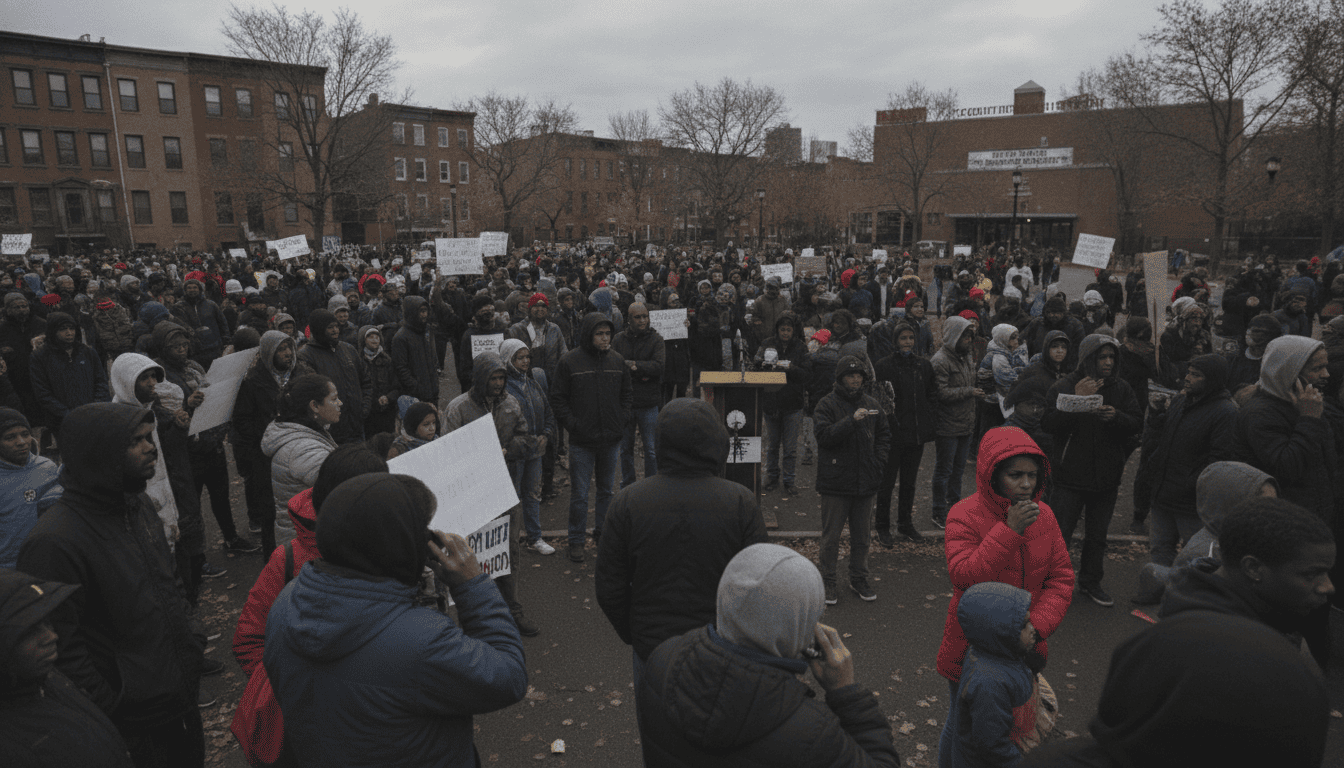
In the days following the announcement, community centers, churches, and immigrant-rights groups mobilized to provide information sessions and emergency clinics. Organizers set up hotlines and legal clinics to help people understand deadlines and options. Public demonstrations and vigils were held in several New York neighborhoods to express solidarity and call for immediate protections.
Religious leaders and local elected officials joined advocacy groups in urging federal lawmakers to intervene, underscoring the social ties many TPS beneficiaries have built over decades. The reaction combined practical assistance—such as help gathering documentation—with broader appeals for legislative relief or administrative reprieve to prevent separations of families.
Legal and policy avenues under consideration
With the federal TPS designation ended, advocates are pursuing multiple avenues to preserve status or delay enforcement actions. Legal representatives cited potential challenges in court, requests for administrative extensions, and calls for Congress to pass targeted legislation as likely strategies. These options, however, vary in timeline and outcome, leaving many beneficiaries reliant on uncertain processes.
Immigration lawyers stressed that individual circumstances differ, and affected people should seek qualified legal counsel to evaluate options like asylum, family-based petitions, or other forms of relief. Meanwhile, organizations are convening to document cases and press for expedited review where humanitarian or public-interest factors are present.
Economic and social consequences anticipated
Economists and service providers warned the termination could have immediate economic effects in neighborhoods where TPS holders are concentrated. Loss of employment authorization could reduce household incomes, increase demand for social services, and strain small businesses that depend on immigrant workers. School districts and health providers also noted potential disruptions in service continuity affecting students and patients.
Beyond economics, social concerns center on family separation and trauma. Many Haitian households include U.S.-born children and long-established kinship networks; the prospect of enforced departures raises questions about custody, schooling, and community cohesion. Local nonprofits are preparing to expand support services and to coordinate with faith-based organizations to meet anticipated needs.
Next steps for residents and officials
City agencies and immigrant-rights groups have urged affected residents to preserve immigration documents, seek legal advice, and attend community information sessions. Officials recommended that beneficiaries avoid risky travel and keep records of continuous residence and employment. Meanwhile, local leaders said they will continue to press federal representatives for urgent policy remedies and clearer timelines from immigration authorities.
The coming weeks are likely to see a mix of litigation, lobbying, and community action as advocates attempt to halt or mitigate the effects of the July 27 decision. For now, families and service organizations in New York say their immediate priority is stabilizing households and preventing sudden disruptions while longer-term legal and legislative efforts proceed.
The Haitian TPS termination has injected urgent uncertainty into communities that have been part of New York’s social and economic fabric for years, prompting emergency responses and setting the stage for protracted legal and political battles.
