
Turkey-Iraq energy cooperation advances after Iraq offers 1 million barrels, Erdogan says
Turkey-Iraq energy cooperation advances as Iraq offers 1 million barrels of oil, President Erdogan says, with officials seeking a comprehensive deal amid Strait of Hormuz concerns.
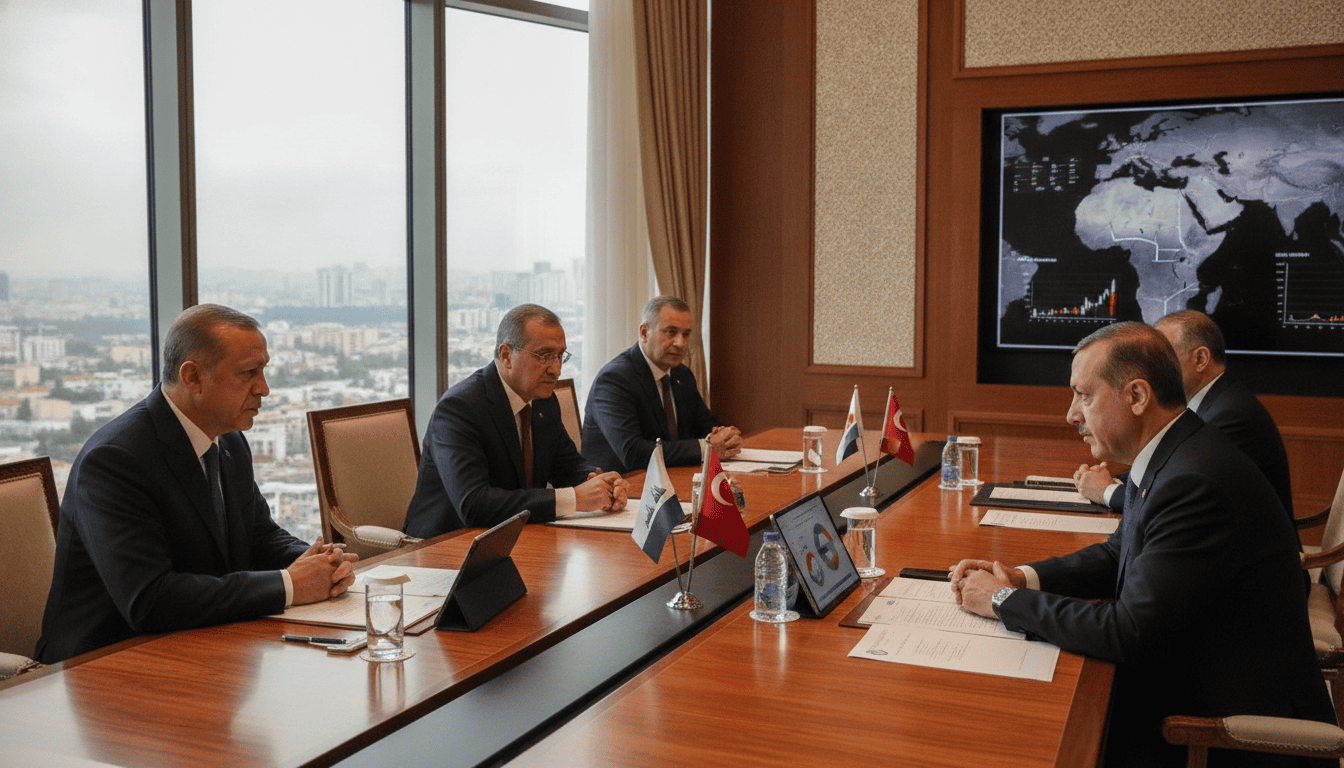
Turkish President Tayyip Erdogan said on Tuesday that Turkey aims to sign a comprehensive Turkey-Iraq energy cooperation deal as soon as possible after Iraq offered to provide the country with 1 million barrels of oil. The announcement followed bilateral talks in Ankara between Erdogan and Iraqi Prime Minister Ali al-Zaidi, held against a backdrop of global energy concerns tied to the closure of the Strait of Hormuz. Ankara described the move as part of efforts to secure alternative supply routes and strengthen ties with Baghdad.
Erdogan Confirms Iraq Offer of One Million Barrels
Erdogan publicly confirmed that Iraqi officials had proposed delivering 1 million barrels of oil to Turkey as part of a broader cooperation framework. He said the two governments want a comprehensive agreement and are seeking to finalize terms quickly.
The offer was disclosed after a meeting with Iraqi Prime Minister Ali al-Zaidi in Ankara, where leaders discussed ways to deepen bilateral energy ties. Turkish officials framed the offer as a pragmatic step to address potential shortfalls caused by regional shipping disruptions.
Scope of Proposed Turkey-Iraq Energy Cooperation
Turkish authorities described the envisioned pact as a comprehensive energy cooperation deal that would cover bilateral oil deliveries and broader collaboration across the energy sector. While Erdogan did not provide a full roster of measures, he emphasized the need for swift, practical arrangements to stabilize supplies.
Analysts say a comprehensive deal could encompass direct shipments, swaps, and logistical coordination to move crude and refined products into Turkish markets. Both sides signaled a willingness to coordinate on storage and transit arrangements to reduce exposure to chokepoint disruptions.
Diplomatic Talks in Ankara
The discussions between Erdogan and Prime Minister Ali al-Zaidi were framed by officials as high-priority diplomatic engagement aimed at consolidating economic and energy ties. Turkish and Iraqi delegations spoke of reinforcing longstanding commercial links and fast-tracking negotiations on technical and legal details.
Delegations reportedly focused on mechanisms to operationalize any offer, including transport corridors, payment arrangements and regulatory steps. Erdogan’s public remarks underscored Ankara’s interest in translating political commitments into binding contracts as soon as possible.
Context: Strait of Hormuz Disruptions and Energy Concerns
Erdogan linked the push for a formalized energy agreement to global worries over supply disruptions following the closure of the Strait of Hormuz. The Strait is a major maritime route for crude exports from the Gulf, and interruptions there have heightened interest in alternative supply channels.
Turkish officials argued that diversifying delivery routes and securing bilateral supplies from neighboring producers like Iraq would lessen Turkey’s exposure to volatility. Baghdad’s readiness to offer a sizeable one-time supply was presented as an immediate relief measure while longer-term arrangements are negotiated.
Implications for Regional Energy Security and Markets
A formal Turkey-Iraq energy cooperation agreement could provide a buffer against short-term market shocks by redirecting flows overland or through shorter maritime routes. For Turkey, which imports a large share of its hydrocarbons, access to Iraqi barrels could help stabilize domestic markets and refinery operations.
For Iraq, closer ties with Ankara offer a valuable export outlet and political leverage amid a shifting regional environment. Observers note, however, that the practical effect on global markets will depend on the speed of implementation and the size of sustained deliveries beyond the offered one million barrels.
Next Steps and Timeline for Agreement
Erdogan said negotiators from both countries would aim to convert the political pledge into a formal contract “as soon as possible,” signaling an accelerated timetable. Officials are likely to convene technical teams to work through logistics, legal frameworks and financing within weeks.
Despite the urgency, observers caution that complex issues—transport capacity, insurance, and long-term payment arrangements—must be resolved before consistent flows begin. Both governments indicated they would keep markets informed as negotiations progress.
The announcement marks a notable step in Ankara-Baghdad relations, with energy cooperation presented as a pragmatic response to regional supply risks. As talks move from political commitment to technical detail, markets and governments will watch closely for concrete deliveries and a signed agreement.
