
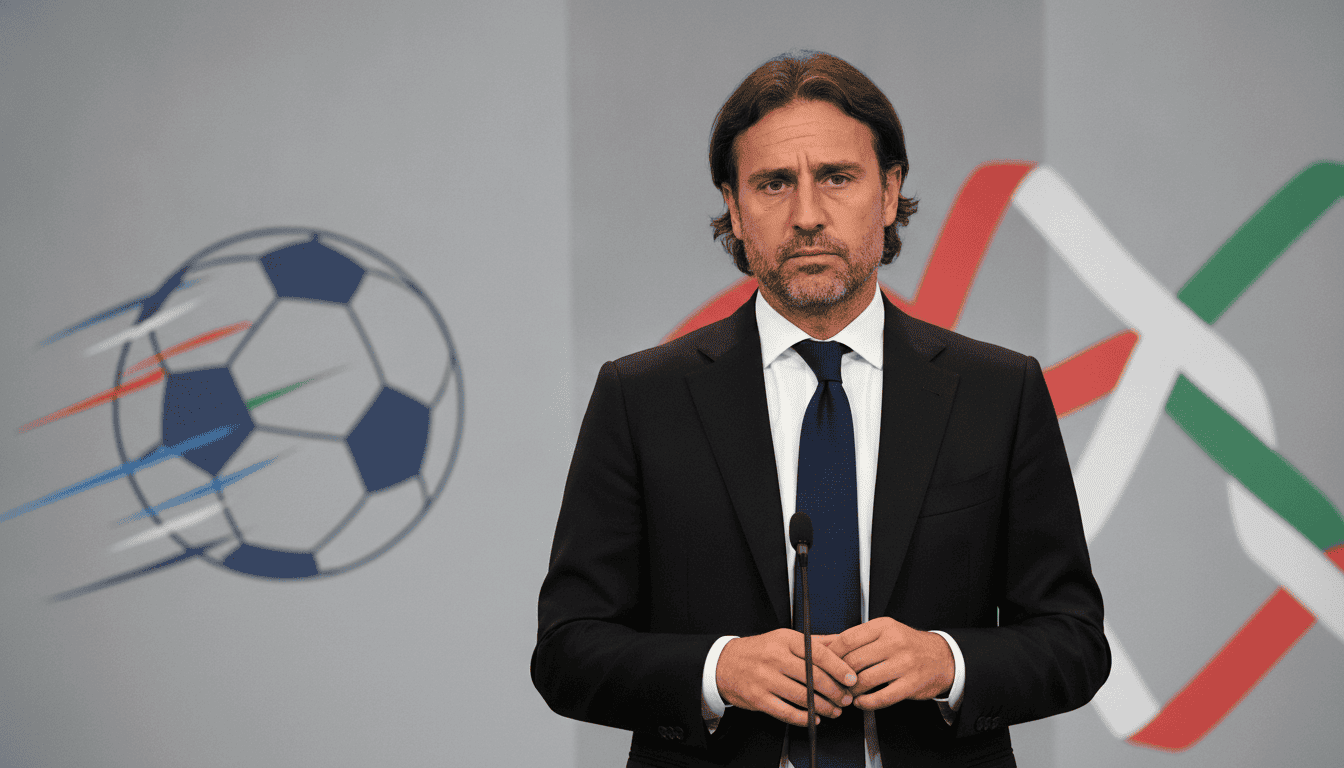
Andrea Pirlo says he is no longer a candidate to coach Italy amid controversy over Russia ties
Andrea Pirlo says he is no longer a candidate to coach Italy after criticism over his business and sporting links to Russia; the FIGC has not publicly confirmed his status.
Andrea Pirlo announced that he had been informed he was no longer being considered for the Italy national team head coach role, a development that deepens uncertainty in the federation’s search for a successor. The former World Cup winner’s statement came after mounting criticism of his commercial and professional connections to Russia, which opponents say are politically sensitive. FIGC officials have so far declined to issue an official confirmation of Pirlo’s removal from contention, leaving the process unsettled.
Pirlo says he was told he is no longer a candidate
Andrea Pirlo posted on social media that he had learned he was no longer in the running to become Italy’s next head coach. He described the development as painful and said he had not been given clear details about who had communicated the decision. Pirlo also pushed back against suggestions that his work abroad reflected any political stance, saying his commitments were commercial and sporting in nature.
FIGC has not issued an official resignation or confirmation
Representatives of the Italian Football Federation have not released an official statement confirming that Pirlo has been withdrawn from consideration. Federation sources had reportedly held talks with the former midfielder and at one point were said to have reached terms for a multi-year deal, but no contract was publicly announced. The lack of formal confirmation has compounded speculation and left stakeholders uncertain about the next steps in the coaching search.
Criticism focused on ties to Russia and commercial roles
The controversy centers on Pirlo’s current employment and ambassadorial roles tied to Russian interests, which critics say are inappropriate given the geopolitical context. Reports point to his coaching engagement with a Dubai-based club owned by a Russian businessman and to endorsement ties with a Russian betting company. Opponents argue that such links create reputational and ethical challenges for a figure who would represent the national team on the international stage.
Political and diplomatic reactions have intensified the debate
The issue has drawn attention beyond sport, with political figures and commentators weighing in on whether the federation should appoint a coach with those associations. Russia’s ambassador to Italy publicly expressed solidarity with Pirlo, underscoring how the matter has taken on diplomatic overtones. Within Italy, lawmakers and public opinion leaders have debated the appropriateness of the federation’s candidates, increasing pressure on the FIGC to clarify its position.
Possible ramifications for Paolo Maldini and federation leadership
Sources close to the federation say the situation could have consequences for newly appointed officials involved in the recruitment process. Paolo Maldini, who recently took on a technical director role, had reportedly supported Pirlo’s candidacy and advocated internally after other high-profile candidates declined. Observers now speculate that Maldini could face political fallout or reconsider his position if the FIGC’s handling of the process is judged unsatisfactory.
Background: Italy’s recent failures and Pirlo’s managerial record
Italy’s decision to replace the previous coach followed a failure to qualify for the World Cup, prompting a broad search for a figure to rebuild the national side. Andrea Pirlo, a member of the 2006 World Cup-winning squad, has had a mixed record as a manager, with brief spells at major Italian clubs and a recent move to the Middle East. Critics point to uneven results in his club coaching stints, while supporters emphasize his playing pedigree and connection to Italy’s football culture.
The uncertainty around Andrea Pirlo’s candidacy highlights wider tensions within Italian football between sporting considerations and reputational risk. The FIGC will face growing calls for transparency as it balances public sentiment, political sensitivity, and the pragmatic need to appoint a coach capable of restoring competitive credibility. The next formal communication from the federation will be closely watched for clues about whether Pirlo is definitively out of contention and who might emerge as the leading candidate to lead Italy forward.
