
UK Cancels British Training Exercise in Kenya, Spotlighting Defence Agreement Dispute
Britain cancelled a planned September 2026 British training exercise in Kenya on July 26, 2026, after required approvals were not obtained amid a dispute over legal jurisdiction and accountability. The move has exposed tensions around the UK-Kenya Defence Cooperation Agreement and put the British Army Training Unit Kenya (BATUK) under renewed scrutiny. Both governments say they want to preserve security ties while negotiating how foreign forces operate on Kenyan soil.
Cancellation announced on July 26, 2026
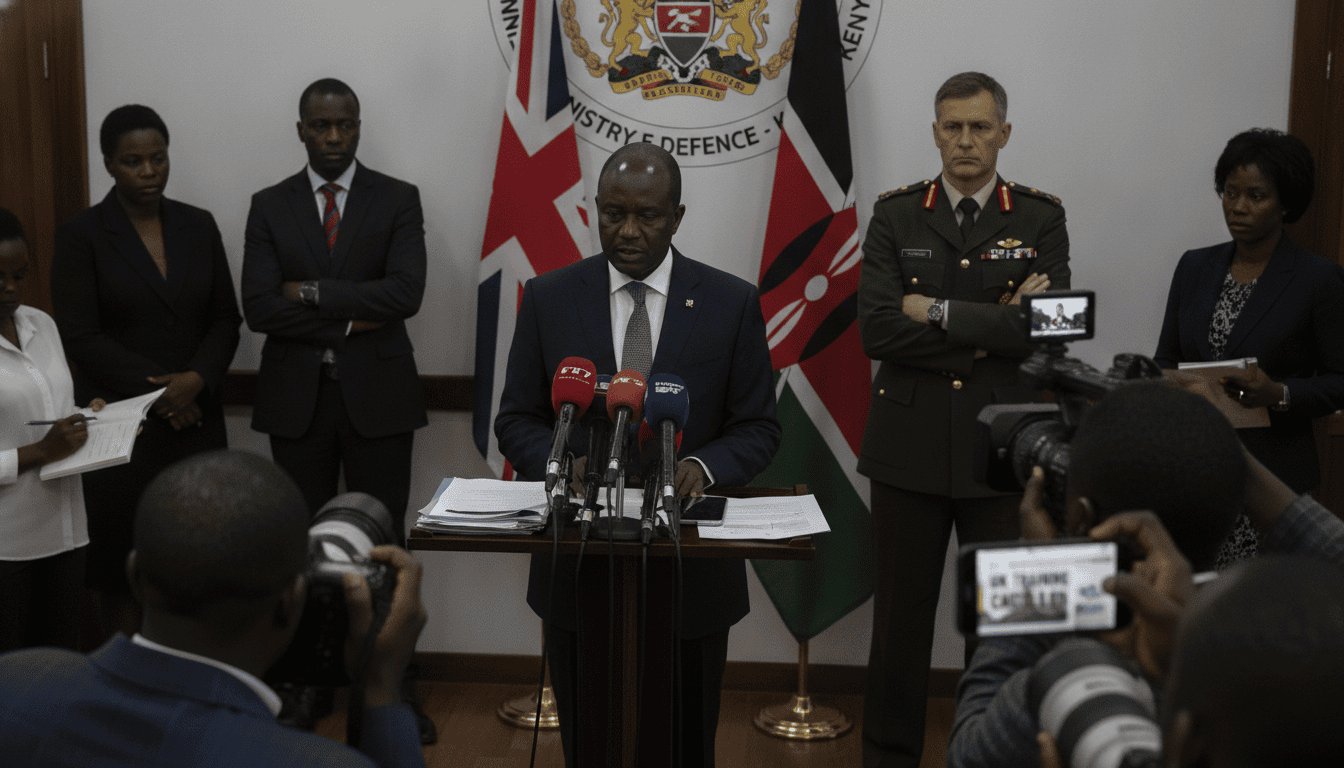
The UK Ministry of Defence confirmed on July 26, 2026, that a September training exercise would not proceed because the necessary approvals had not been granted. The MOD framed the cancellation as a procedural outcome while acknowledging broader disagreements over defence arrangements. Officials said the decision reflects an unresolved dispute over how visiting forces are governed under the bilateral framework.
Legal dispute centers on the Defence Cooperation Agreement
At the core of the disagreement is the UK-Kenya Defence Cooperation Agreement, the document that sets out legal rules for joint activities, investigations and jurisdiction over visiting forces. Kenyan lawmakers and parts of the defence committee have pressed for clearer accountability provisions and legal certainty when incidents involve foreign personnel. The two sides disagree on how existing clauses should be interpreted and implemented, leaving scheduled activities in limbo.
BATUK’s long-standing role questioned
The British Army Training Unit Kenya has been the principal platform for decades of joint training between the British army and the Kenya Defence Forces, operating from facilities near Nanyuki. BATUK provides British troops with access to varied terrain and allows interoperability exercises with Kenyan forces, a capability London says is strategically valuable. Yet the unit’s presence has also become a focal point for debates about oversight, human rights concerns and the legal status of foreign troops.
Parliamentary concerns and calls for accountability
Kenyan parliamentary debates have intensified scrutiny of the arrangements that cover British forces, with legislators highlighting perceived gaps in accountability when allegations arise. Members of the Departmental Committee on Defence, Intelligence and Foreign Relations have voiced reservations about whether the agreement adequately protects Kenyan legal authority and human rights standards. Those criticisms have sustained a national conversation about balancing defence cooperation with sovereignty and judicial oversight.
UK statements acknowledge challenges while stressing cooperation
The UK government has publicly defended the bilateral defence relationship as one grounded in mutual benefit and shared interests, while admitting there have been issues that require attention. The Ministry of Defence expressed regret over “issues and challenges” connected to the UK’s presence in Kenya, indicating a willingness to address concerns even as it defends continued training ties. London has argued that joint exercises support regional security and military interoperability, but officials acknowledge future activities will be subject to closer review.
Implications for regional security and future exercises
The cancellation signals that forthcoming British training activities in Kenya could face increased political and legal scrutiny unless the two governments reach a clearer understanding. For Kenya, the priority is ensuring any agreement preserves its jurisdiction and accountability mechanisms for foreign personnel operating on its territory. For the UK, Kenya remains a strategic training location in East Africa, and prolonged uncertainty could force a reassessment of how training is delivered or where it takes place.
The primary challenge now is diplomatic: Nairobi and London must negotiate practical amendments or interpretative understandings to the Defence Cooperation Agreement that satisfy both countries’ legal and political requirements. If they succeed, exercises like those managed through BATUK may resume with clarified safeguards; if not, the pattern of cancellations and debate could continue, reshaping a defence partnership built over decades.
