
Multiple Palestinians killed in Israeli strikes on Khan Younis, southern Gaza
Israeli strikes in Khan Younis, southern Gaza, on July 25, 2026, killed several Palestinians and wounded dozens, with reports citing hits on residential areas and separate drone attacks.
Early Saturday reports said at least three Palestinians were killed in Israeli strikes on Khan Younis, part of a wave of attacks across Gaza that local medical sources say left six dead and more than 20 wounded since the morning of July 25, 2026. News agencies reported a family home in Khan Younis was struck in an air attack, while a separate drone strike struck the al-Mawasi area west of the city. The incidents intensified concern among humanitarian groups and hospital staff already stretched by ongoing fighting.
Family home hit in Khan Younis
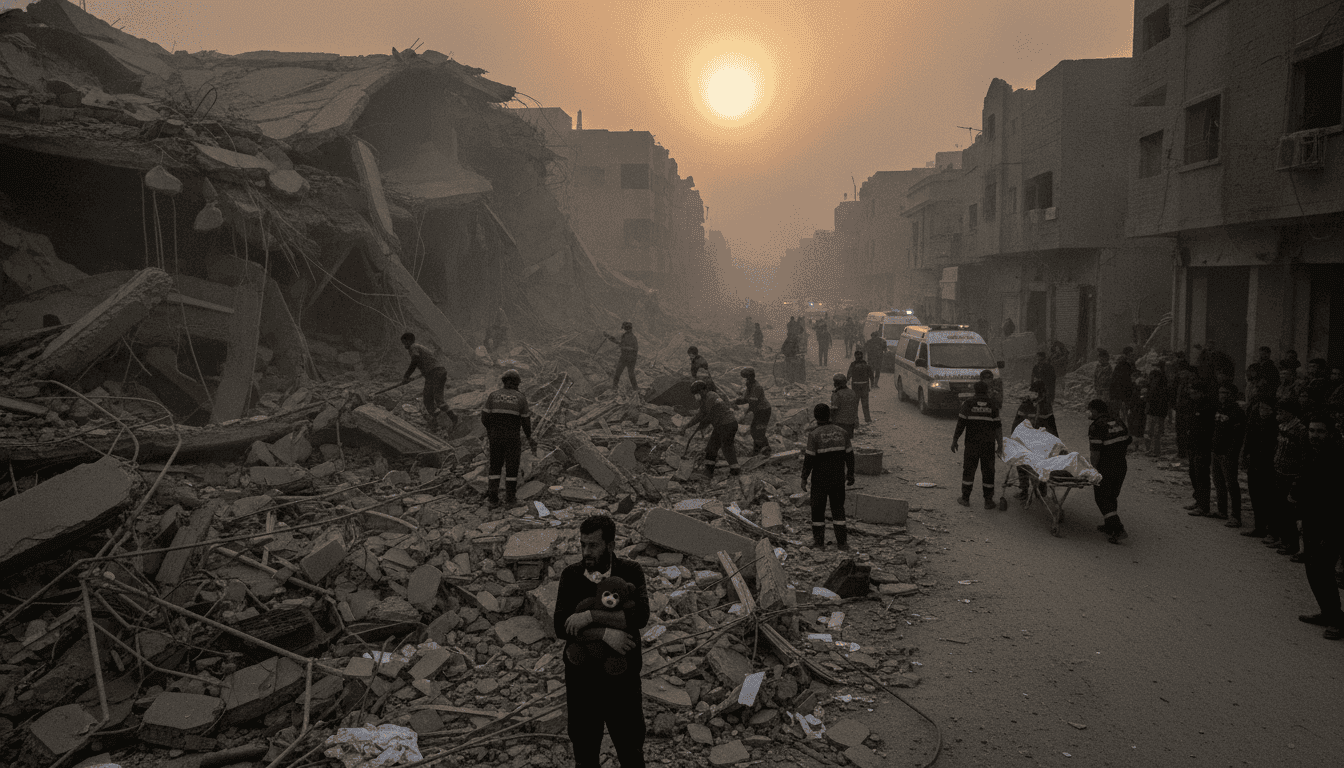
A local hospital and media outlets reported that an air strike struck a family house in Khan Younis, killing two people and causing extensive damage to the dwelling. Witnesses described scenes of destruction and civilians rushing to rescue family members as smoke rose from the rubble. Emergency responders removed bodies and transported the injured to nearby medical facilities under difficult conditions.
Medical personnel at the receiving hospital said they were treating people with blast injuries and burns, and that resources were strained by the sudden influx of casualties. Staff requested additional medical supplies and ambulances as they worked to triage and stabilise the wounded. Hospitals in southern Gaza have repeatedly warned of shortages of equipment and staff amid sustained hostilities.
Drone strike kills civilian in al-Mawasi
Wafa news agency reported a separate drone strike in the al-Mawasi area west of Khan Younis that killed at least one person, according to local officials and medical sources. Residents said the attack targeted an open area near agricultural plots and prompted panic among families sheltering there. The strike underscored the reach of the operations and the varied environments—urban and rural—affected by the violence.
Local authorities in al-Mawasi said they were attempting to verify casualty figures and secure the scene, while medical teams prepared to receive additional injured. Communications from the area described roads congested with people fleeing and volunteers assisting with searches. The cumulative effect of strikes across multiple locations complicated relief and rescue efforts.
Hospitals report Gaza-wide casualty toll
Medical sources quoted by regional news organisations said that, across Gaza, medical teams had recorded six fatalities and more than 20 wounded since the start of operations that morning. Hospitals in Khan Younis and nearby towns reported receiving patients with shrapnel wounds, fractures and trauma consistent with blast incidents. Staff emphasised that official tallies could change as teams continue search-and-rescue and as more people present for treatment.
Health officials and emergency coordinators reiterated that casualty figures remain provisional pending full verification, and that communication interruptions in some areas are hampering accurate reporting. International health organisations and local clinics have frequently noted discrepancies between early reports and later confirmed counts during periods of heavy fighting. Medical facilities said their priority remained stabilising the injured and supporting families affected by the attacks.
Responses from agencies and local leaders
Regional media cited Al Jazeera and Wafa in reporting the incidents, while local leaders called for protection of civilians and unfettered access for aid and medical evacuations. Community representatives described scenes of fear and displacement as families sought safer locations away from strike zones. Relief organisations urged all parties to respect international humanitarian law and to allow safe corridors for civilians and aid convoys.
International agencies and advocacy groups monitoring the conflict reiterated long-standing concerns about civilian harm in densely populated areas of Gaza. Several organisations pressed for immediate measures to prevent escalation and to ensure that hospitals can continue operating. Local municipal authorities also issued advisories asking residents to avoid areas of active operations and to follow guidance from emergency services.
Context of recent military activity in southern Gaza
Khan Younis and its surrounding districts have seen repeated confrontations and air activity in recent weeks, part of a broader pattern of exchanges that have produced significant civilian displacement. Analysts note that the southern Gaza governorate has become a focal point for operations due to its population density and movement of displaced families. The cycle of strikes and responses has placed sustained pressure on humanitarian networks attempting to deliver food, water and medical aid.
Security sources and regional commentators say that targeting choices and operational tempo are influenced by evolving tactical objectives, though independent verification of specific military claims often lags behind initial reports. Past incidents in the governorate have led to international calls for restraint and for measures to reduce civilian casualties. The latest strikes add to the tally of nights and days that health providers and aid workers describe as the most challenging since the current round of hostilities began.
Hospitals and relief teams continued to monitor needs and coordinate limited distributions of supplies, but warned that access constraints and insecurity were impeding comprehensive relief operations. Local officials appealed for additional international support to manage the growing humanitarian burden and to restore essential services disrupted by the strikes.
The situation remained fluid throughout the day, with officials and medical staff urging caution as casualty figures were updated and rescue operations continued. Families in Khan Younis and al-Mawasi faced immediate needs for shelter, medical care and basic services as authorities and relief agencies assessed damage and prepared for further displacement.
