
ECB opens public vote on new euro banknotes designs
EU citizens can vote online until September 21, 2026, on two motif sets for the new euro banknotes, choosing between cultural figures and rivers with birds.
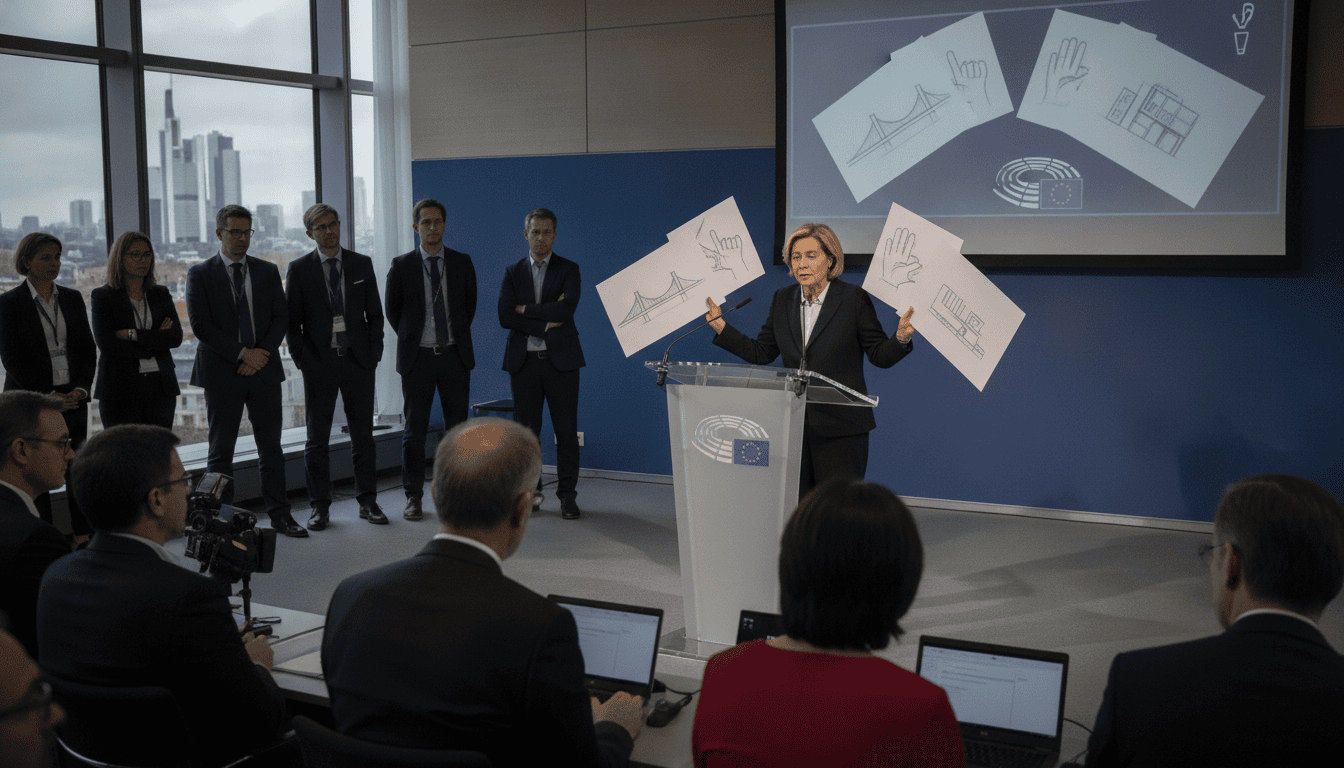
The European Central Bank on Thursday unveiled two competing motif sets for the new euro banknotes and opened a public vote that will let citizens across the eurozone decide the designs. ECB President Christine Lagarde presented the banknotes on transparent panels and called the process a democratic exercise in which more than 350 million people can participate. Voters will choose between the “European Culture” set and a “Rivers and Birds” set on the ECB’s website until September 21, 2026. The vote is part of a multistage redesign intended to increase the security and longevity of the currency.
Lagarde presents designs and frames the vote
Christine Lagarde displayed the proposed notes in a short presentation and urged Europeans to make their voices heard. The ECB framed the consultation as a way to reaffirm that money belongs to the people who use it. Officials emphasized that the institution will manage the technical redesign while leaving the artistic choice to the public.
Two competing motif sets detailed
The ballot offers two distinctive visual concepts: a “European Culture” collection that features notable historical figures, and a “Rivers and Birds” series that highlights waterways and native bird species. The cultural option includes portraits such as soprano Maria Callas and composer Ludwig van Beethoven, with parity of representation between women and men. The nature-themed set would place species like the wallcreeper on the €5 note, the kingfisher on the €10, the bee-eater on €20 and the white stork on €50.
Denominations and reverse imagery explained
Under both proposals, the obverse faces of the notes would carry the new motifs while the reverse sides would continue to display European institutions and symbolic elements. Depending on the winning set, back images could reference the European Parliament or the European Central Bank. The ECB has said the arrangement of motifs by denomination is intended to preserve recognizability across different currency values.
Security and lifecycle drive the redesign
The ECB has repeatedly cited anti-counterfeiting improvements and the natural life cycle of banknotes as the primary reasons for the redesign. The process to rework the notes began after a 2021 decision in Frankfurt and has proceeded through multiple technical and design stages. Current euro motifs date from the currency’s launch in 2002 and, except for a limited 2013 update, have avoided portraying real people or specific buildings; the planned generation represents the first substantial thematic shift since then.
Material continuity and gradual rollout confirmed
Officials stressed that the redesign will not alter the familiar colours of the notes or the cotton substrate used in their production. The ECB’s banknotes director, Doris Schneeberger, said there will be no single “big-bang” replacement day and that the new notes will be introduced step by step. She also indicated that a full circulation of the redesigned series should not be expected before 2030 and that existing notes will remain legal tender throughout the transition.
Next steps: vote outcome and production timetable
After the public consultation closes on September 21, 2026, the ECB will review the vote results and continue technical testing and final security checks. Production planning, denominational assignments and phased issuance will follow established manufacturing and distribution protocols. National central banks and printing partners will coordinate the gradual release to ensure continuity in payment systems and cash handling.
The vote represents a rare opportunity for eurozone citizens to influence the appearance of their common currency, while the ECB balances public preference with technical, security and logistical requirements ahead of the eventual rollout.
