
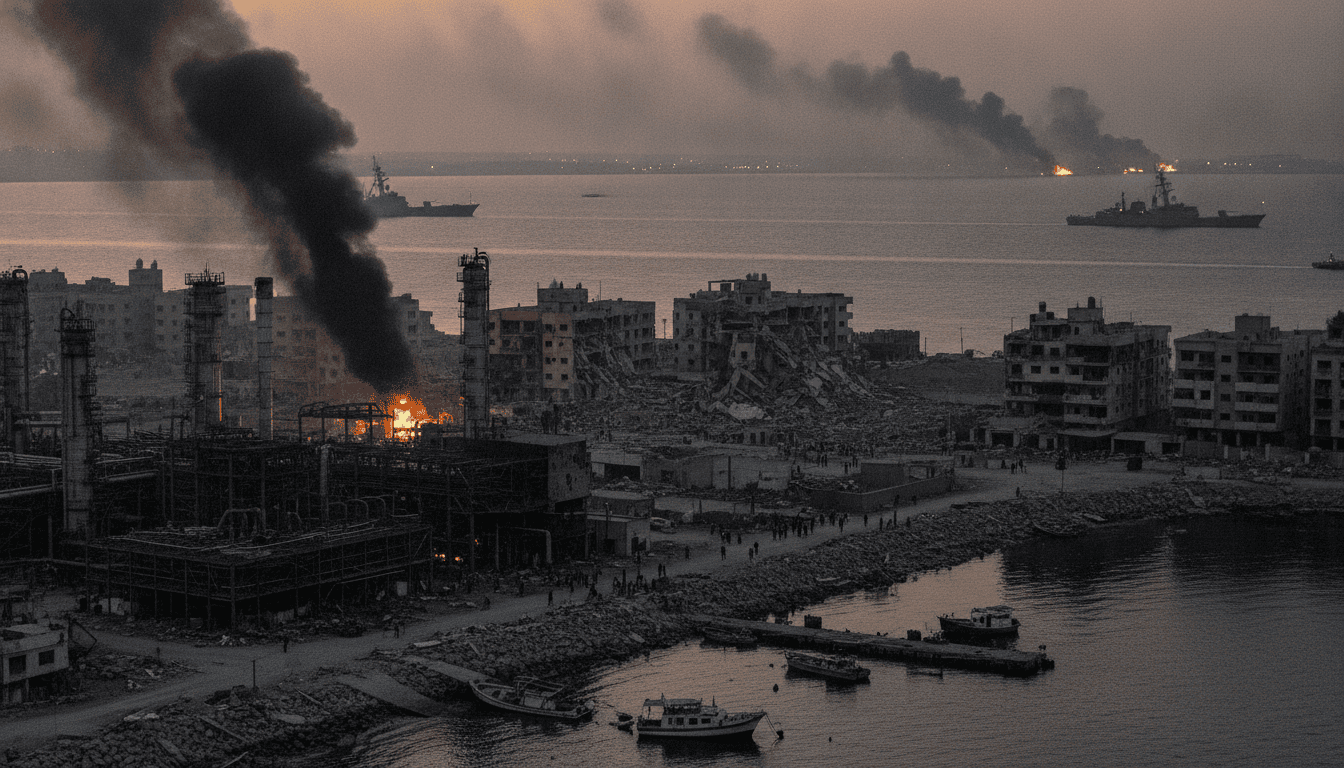
US and Iran strikes damage civilian infrastructure across southern Iran and Gulf states
US and Iran strikes have damaged civilian infrastructure across southern Iran and Gulf states, raising legal concerns while crippling water, power and transport.
The United States and Iran have traded increasingly heavy strikes in a widening confrontation that has struck civilian infrastructure in southern Iran and beyond, officials and media report. The attacks — which both sides describe as aimed at preventing control of the Strait of Hormuz — have hit bridges, railways, ports, desalination plants and hospitals, and have produced mounting casualties and service disruptions. Iranian authorities report at least 50 deaths and some 500 wounded since hostilities resumed on July 15, while the fragile memorandum of understanding reached in June has collapsed amid renewed reprisals.
Escalation around the Strait of Hormuz
Reports from Tehran and Washington describe the strikes as part of a campaign to secure or deny military advantage in the strategic Strait of Hormuz. US forces have carried out strikes on sites inside southern Iran and elsewhere, and Tehran has responded with strikes against US bases and assets in neighbouring Gulf states and Jordan. Both governments say they are targeting military logistics and facilities, but multiple incidents have involved civilian systems and populated areas.
Damage to bridges, railways and ports in southern Iran
Iranian authorities and local media describe extensive damage to transport links in Hormozgan and other southern provinces. Bridges linking Bandar Abbas, a major naval hub and commercial port, were among the structures reported destroyed or damaged, with at least one vehicle reported to have plunged following a strike. Railway infrastructure connecting Tehran to Mashhad and international rail links in Golestan province also suffered damage, disrupting passenger and freight movement across key domestic and cross-border corridors.
Water and power systems taken offline
Water and power infrastructure has been repeatedly affected, with several desalination plants and drinking-water facilities reported struck or put out of service. Officials say a desalination plant in southern Jask and another facility serving some 10,000 people were hit, while bottled-water production and storage sites were also damaged in border provinces. In neighbouring Kuwait, authorities reported repeated damage to a power and desalination plant and concerns about grid stability after strikes attributed to Iran, compounding regional utility failures.
Hospitals, airports and public services disrupted
Healthcare and civilian services have been impaired by the strikes, according to local reports. A hospital in Ahvaz was rendered inoperable and more than 200 patients were evacuated after damage to the building, and smaller airports and fuel and electrical facilities at regional airfields sustained hits that caused outages and forced suspensions of some services. Fishing and commercial piers across multiple coastal counties were damaged, and sewage and wastewater treatment facilities serving tourist and residential areas were reported disrupted.
Iranian strikes reach Gulf states and shipping routes
The Islamic Revolutionary Guard Corps has carried out strikes on sites in Kuwait, Oman, Qatar and Jordan that it says were linked to US military assets, producing damage to infrastructure and, in at least some incidents, civilian casualties and fires. Kuwaiti officials reported strikes on energy and water-processing facilities, and Gulf maritime authorities say several commercial vessels and tankers have been struck in and near the Strait of Hormuz. Intercepted missile fragments and falling debris in Doha also injured civilians, according to Qatari sources.
Legal experts and the United Nations warn of possible violations
International humanitarian law prohibits deliberate attacks on civilian objects and requires belligerents to distinguish between military objectives and civilian infrastructure. Legal specialists stress that infrastructure loses protection only when it is demonstrably being used for military purposes and when any anticipated military advantage is proportionate to expected civilian harm. United Nations Secretary‑General representatives have expressed particular concern about strikes on civilian infrastructure across the region, calling such attacks unacceptable and warning of broader humanitarian consequences.
The unfolding pattern of strikes has raised difficult verification challenges, with both sides asserting military necessity and independent observers seeking to confirm the status of individual sites. Humanitarian and legal analysts say the line between dual‑use facilities and civilian services is narrow and requires constant, rigorous assessment by operational commanders and legal advisers to avoid indiscriminate or disproportionate attacks.
International agencies and neighbouring governments are calling for restraint while emergency services scramble to restore basic utilities and move vulnerable civilians away from damaged sites. The continued exchange of strikes threatens further disruption to essential services and commerce in a region where maritime chokepoints and energy and water infrastructure are tightly interconnected.
