
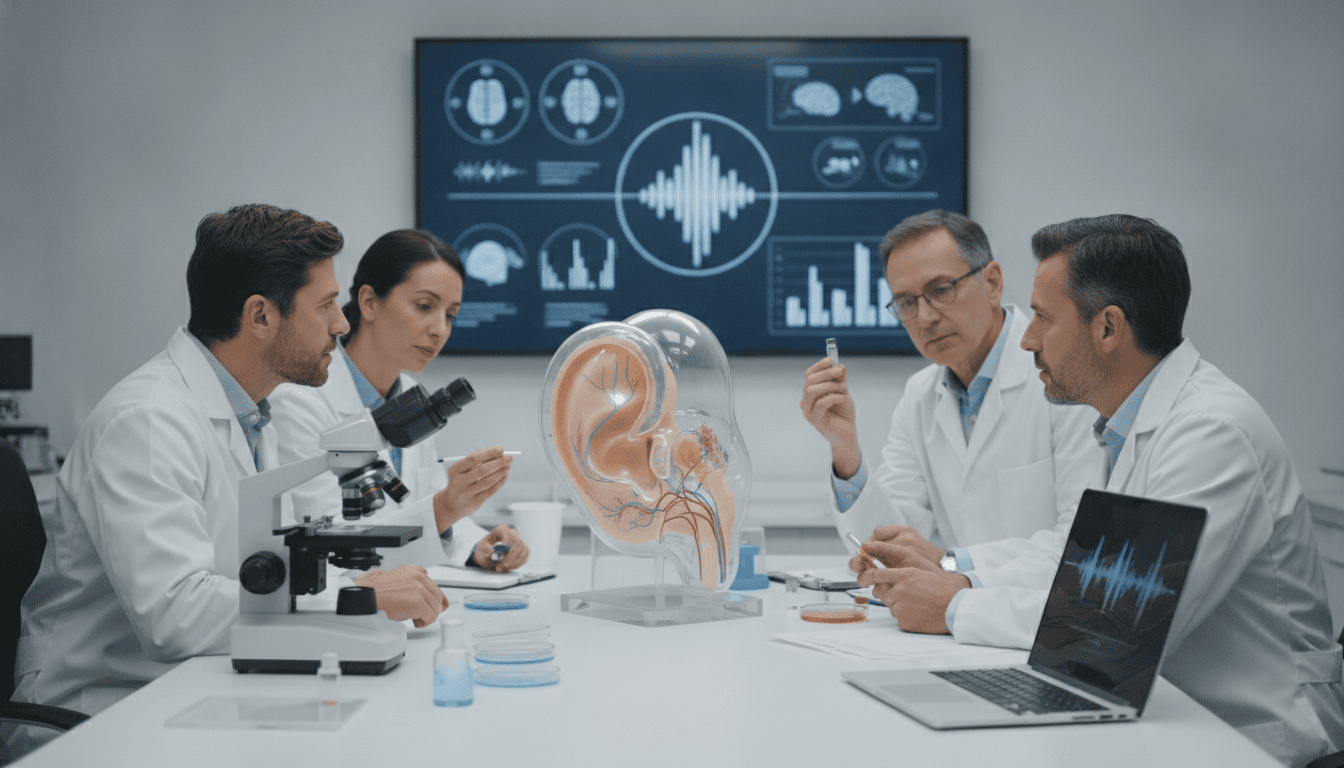
New guide clarifies the many types of tinnitus and practical steps for diagnosis and treatment
Guide explains tinnitus types, symptoms, causes, diagnosis and treatments, with practical steps for patients and clinicians to manage persistent ear noise.
Tinnitus affects millions worldwide and can present as ringing, buzzing or other phantom sounds with varying causes and courses. This report synthesizes current clinical categories of tinnitus and outlines how clinicians diagnose the condition, who is most at risk, and what evidence-based treatments and preventive measures are available. The term “tinnitus” appears in the first paragraph to anchor the topic and guide readers seeking clear, medically grounded information. Patients and providers can use this overview to match symptoms to likely causes and to plan next steps for evaluation and management.
Experts Outline Subjective and Objective Tinnitus
Subjective tinnitus is the dominant form, experienced only by the person affected and commonly linked with hearing loss or inner-ear dysfunction. Objective tinnitus is far rarer; in those cases clinicians may actually hear the sound with a stethoscope because it originates from vascular or muscular activity. Distinguishing between subjective and objective forms is a critical first step, because the latter often points to treatable physiologic causes while the former typically involves neurologic or cochlear dysfunction.
Clinical assessment begins by establishing whether others can perceive the sound and by documenting its character, laterality and triggers. This differentiation helps narrow diagnostic testing and informs whether imaging or vascular evaluation is warranted.
Auditory Pathways and Central Origins of Sound
Tinnitus can arise from peripheral structures in the ear or from central auditory pathways in the brain, and those origins influence both presentation and treatment. Peripheral or cochlear tinnitus stems from abnormal activity of hair cells or auditory nerve fibers in the inner ear, often after noise exposure or age-related degeneration. Central tinnitus involves dysfunctional processing in the auditory cortex or linked neural circuits even when the ear itself appears structurally intact.
Understanding whether tinnitus is peripheral or central helps clinicians select targeted therapies, from hearing aids and sound generators to interventions aimed at cortical habituation or cognitive coping.
Vascular, Somatic and Noise-Related Triggers Identified
Clinicians classify tinnitus by underlying causes that include vascular, somatic and noise-related mechanisms. Pulsatile tinnitus — sounds that pulse in time with the heartbeat — often signals a vascular issue such as altered blood flow or high blood pressure and usually prompts vascular imaging. Somatic tinnitus is modulated by jaw, neck or head movements and is frequently associated with temporomandibular joint (TMJ) disorders or cervical spine problems. Noise-induced tinnitus follows exposure to loud sounds and may coexist with measurable hearing loss.
Each causal category directs different clinical pathways: vascular findings may be amenable to surgical or interventional procedures, somatic contributors can respond to dental or physical therapies, and noise-related damage is managed with hearing rehabilitation and prevention.
Symptoms, Risk Groups and Mental Health Links
People with tinnitus report a wide range of phantom sounds — ringing, buzzing, hissing, humming, whooshing or even musical tones — that can appear in one ear, both ears or centrally in the head. The intensity and pattern can fluctuate, often becoming more noticeable in quiet environments or during periods of stress. Those at higher risk include veterans, older adults, people with significant hearing loss, individuals with head injury, and people with certain chronic illnesses such as diabetes or thyroid disease.
Chronic tinnitus also carries a measurable burden on sleep and mental health: insomnia, anxiety and depression are commonly reported comorbidities that can worsen the subjective impact of tinnitus and influence treatment choices.
How Clinicians Confirm a Diagnosis
Diagnosis of tinnitus is typically multi-step and multidisciplinary, beginning with a primary care visit and advancing to evaluation by an otolaryngologist or audiologist. Assessment includes ear inspection with an otoscope to rule out impacted wax or infection, bedside hearing tests, and formal audiometry such as an audiogram and tone-matching procedures. For suspected vascular causes, clinicians may use a stethoscope to listen for pulsatile sounds and proceed to imaging when indicated.
Additional tests — air-bone conduction, nerve and balance assessments, and tone-masking protocols — help distinguish conductive problems, neurologic involvement and the degree to which external sounds can mask or modify the tinnitus percept.
Evidence-Based Treatments and Preventive Steps
There is no single universal cure for chronic tinnitus, but a range of evidence-based treatments aim to reduce symptom severity and improve quality of life. For structural or vascular causes, surgical correction or vascular procedures can resolve symptoms in selected patients. Sound therapies — including white-noise generators, hearing aids, wearable sound devices and smartphone-based sound apps — offer masking or habituation that reduces perceived loudness. Behavioral approaches such as cognitive behavioral therapy (CBT) and tinnitus retraining therapy combine education, counseling and sound exposure to reshape emotional responses and enhance coping.
Medication cannot eliminate tinnitus directly, but targeted use of antidepressants or anxiolytics may help manage comorbid mood or sleep disorders. Preventive measures focus on ear protection in noisy environments, stress reduction, sleep hygiene and avoiding ototoxic medications where alternatives exist.
For many patients the treatment goal is not complete elimination of the sound but measurable improvement in sleep, concentration and emotional distress.
If you experience new, persistent or worsening tinnitus — especially if it is pulsatile, accompanied by hearing loss, dizziness, neurological symptoms or following head trauma — seek prompt clinical evaluation to determine the cause and appropriate next steps.
