
German Building Modernization Act Passed, Allows Gas and Oil Heaters with Rising Biofuel Quotas
New German Building Modernization Act permits gas and oil heating installations if suppliers and owners phase in biofuels; law passed by parliament amid sharp criticism. (150 chars)
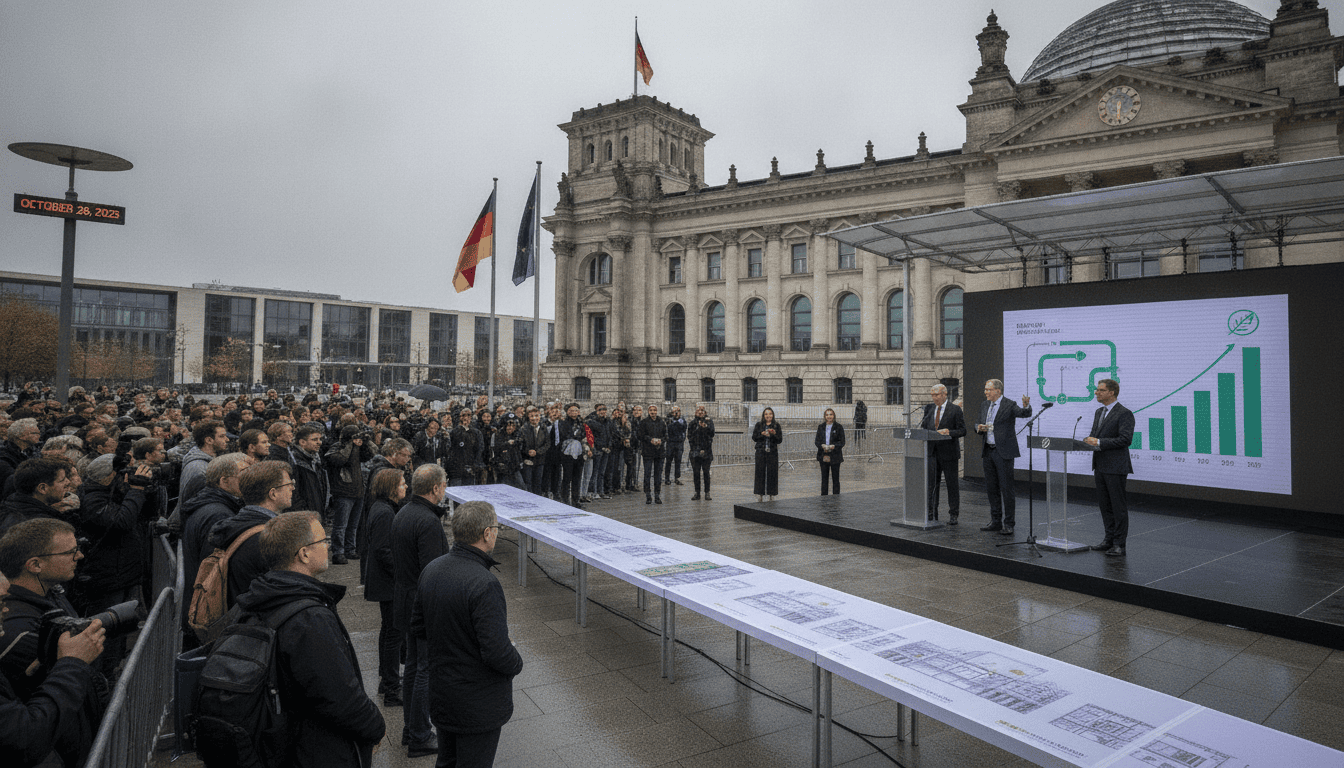
The Bundestag and Bundesrat approved the German Building Modernization Act this week, replacing parts of the previous building-energy framework and allowing gas and oil heaters to remain legal if their fuel mix becomes progressively greener. The law introduces a staged “biotreppe” requiring increasing shares of biogenic fuels in new heating installations and tasks the government with a supplier-focused quota to reach full climate neutrality for building fuels by 2045. (tagesschau.de)
Parliament clears measure after protracted debate
Lawmakers voted to adopt the reform after lengthy negotiations within the governing coalition and across parties, moving the bill through the plenary and to the Bundesrat for final approval. The decision formalizes a shift from technology-specific mandates toward a technology‑neutral approach that conditions continued use of fossil-based heating on the progressive use of climate-neutral fuels. (tagesschau.de)
Biotreppe establishes staged biofuel targets to 2040
Under the bill’s “biotreppe,” newly installed gas and oil heaters must use defined minimum shares of biogenic fuels that rise in steps over the coming years. The schedule calls for roughly 10 percent from January 2029, 15 percent from 2030, 30 percent from 2035 and 60 percent by 2040, creating a predictable but stretched pathway for market uptake of biomethane, bio‑oil and related fuels. (bundestag.de)
Government to require suppliers to deliver climate-neutral fuels by 2045
Instead of an explicit operational ban on fossil boilers, legislators inserted a timetable requiring the federal government to adopt a separate law by December 1, 2026, that will oblige fuel suppliers to transition the fuels they place on the market for building heat to climate‑neutral variants by 2045. That approach shifts the regulatory onus from building owners to fuel producers and distributors while leaving implementation details to a follow-up statute. (oekozentrum.nrw)
Tenants and landlords face shared cost rules with limited hardship relief
For rental housing the Act stipulates that certain additional costs tied to the green fuel transition — including biogenic fuel price components, the CO2 price and gas network charges — will be divided evenly between renters and landlords for new installations, with the rule phased in from 2028 and expanded in 2029 for the first biotreppe steps. Lawmakers also negotiated a parliamentary hardship clause that can relieve small private landlords (generally those with up to six units) from portions of the cost burden under narrowly defined conditions. (bundeswirtschaftsministerium.de)
Coalition struggle and party reactions
The bill reflected months of give-and-take inside the governing coalition: the SPD had sought to keep a previous requirement that new heating systems run on 65 percent renewable energy, while the Union pushed to abolish that threshold and favor broader technology choice. Key ministers, including Katherina Reiche (CDU) and Verena Hubertz (SPD), conducted protracted negotiations before a compromise text emerged. Prominent parliamentary voices framed the outcome starkly — Union deputy floor leader Sepp Müller praised the law as enhancing owner freedom, while Green MPs such as Julia Verlinden denounced it as a “Teuer‑Heizen‑Gesetz” that risks higher bills for households. (bundestag.de)
Experts warn of complexity and legal challenges ahead
Independent oversight bodies and legal experts have sharply questioned the bill’s design and practicability, with the National Normenkontrollrat calling the draft one of the most poorly executed and practically detached proposals it has seen in recent years. The body warned that the measure’s complexity could erode public trust and create administrative burdens. Environmental organizations and some legal teams say they are preparing challenges on grounds that the law undermines Germany’s climate obligations and may be vulnerable in court. (tagesschau.de)
Implementation questions remain as the government and regulator prepare secondary legislation, reporting frameworks and certification standards needed to verify biofuel shares and to account for imports and synthetic fuels. The follow‑up law on the green gas and green heating oil quota, the administrative rules for cost apportionment in rental contracts, and judicial review of the statute will determine whether the enacted compromise steers the building sector toward the government’s 2045 climate neutrality goal or prolongs reliance on fossil heating.
