
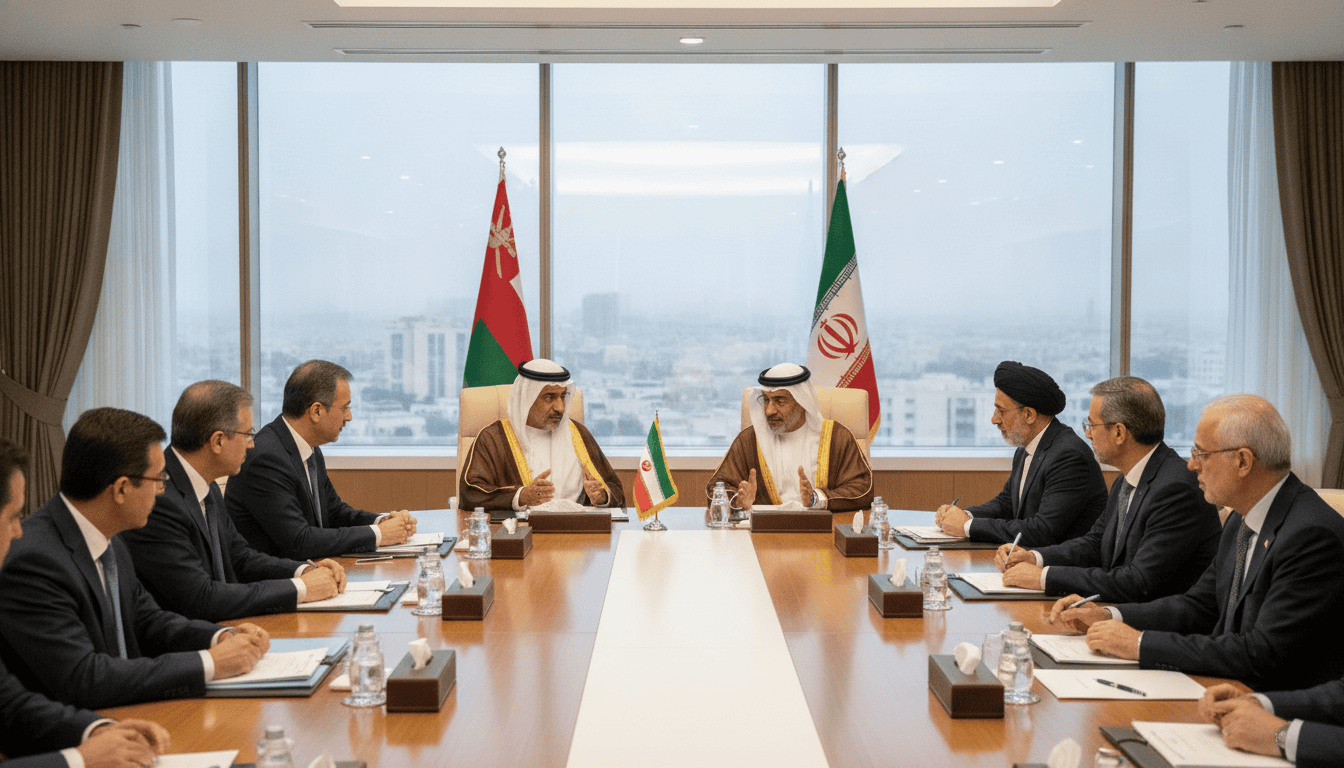
Oman and Iran agree to continue talks to secure safe navigation through the Strait of Hormuz
Oman and Iran held talks in Muscat, agreeing to continue technical and political discussions aimed at arrangements that safeguard safe navigation through the Strait of Hormuz and comply with international law.
Oman and Iran meet in Muscat to discuss Strait of Hormuz navigation.
Oman and Iran convened officials in Muscat to address growing concerns over maritime safety in the Gulf. The talks focused on measures to ensure safe navigation through the Strait of Hormuz for commercial and civilian vessels. Both sides signalled a shared interest in continuing technical and political dialogue to reach workable arrangements.
Agreement to pursue technical and political workstreams.
Delegations agreed to maintain separate technical and political channels to develop practical measures, the Omani news outlet reported. Technical discussions are expected to consider navigational procedures, communication protocols, and mechanisms to prevent misunderstandings at sea. Political talks will aim to translate those technical measures into formal understandings aligned with international obligations.
Commitment to arrangements consistent with international law.
Officials emphasised that any arrangements should be grounded in international law, reflecting obligations that govern passage and maritime conduct. References to established legal frameworks suggest a preference for rules-based solutions rather than unilateral measures. By framing the talks around legal compliance, both governments sought to reassure regional and international stakeholders.
Focus on safe and unrestricted passage for commercial shipping.
Central to the talks was the objective of securing unobstructed passage for merchant vessels transiting the strait, a vital corridor for global energy and trade flows. Participants discussed ways to minimize disruptions and to enhance predictability for ship operators navigating the narrow waterway. Increased clarity on movement and communication standards could reduce the risk of incidents that have periodically threatened maritime traffic.
Implications for regional security and trade stability.
Progress on Strait of Hormuz navigation would carry immediate security and economic implications across the Gulf and beyond. Stable sea lanes lower the risk of supply shocks and help maintain investor confidence in energy markets. Diplomats and maritime professionals will watch whether Muscat’s initiative can temper tensions that have at times elevated risks to commercial shipping.
Possible confidence-building measures and next steps.
Sources indicate that follow-up sessions will refine technical proposals and consider verification or notification mechanisms to build trust. Options under discussion may include agreed reporting procedures, shared maritime domain awareness, or workshops to align naval and civilian traffic management. The two sides did not announce a timeline, leaving details and sequencing for future meetings.
Reactions and broader diplomatic context.
Regional capitals and international shipping firms are likely to welcome any steps that promise greater predictability in the strait, though observers caution that durable outcomes require sustained implementation. Oman’s role as a mediator has long been noted in Gulf diplomacy, and Muscat’s facilitation of these talks underscores its ongoing engagement. Iran’s participation signals willingness to discuss practical measures while reaffirming respect for sovereignty and legal norms.
Observers to monitor implementation and follow-through.
Analysts say the effectiveness of the Muscat discussions will hinge on translating broad commitments into specific, enforceable procedures that reduce ambiguity at sea. Stakeholders will look for scheduled technical meetings, agreed communication channels, and mechanisms to address violations or misunderstandings. Continued transparency about the process could help build international confidence in outcomes.
The Muscat talks mark a measured step toward addressing risks to the Strait of Hormuz navigation, with both sides committing to further discussions that marry technical detail and legal principles. How quickly those conversations yield concrete, operational safeguards will determine whether shipping in one of the world’s busiest chokepoints becomes more secure and predictable.
