
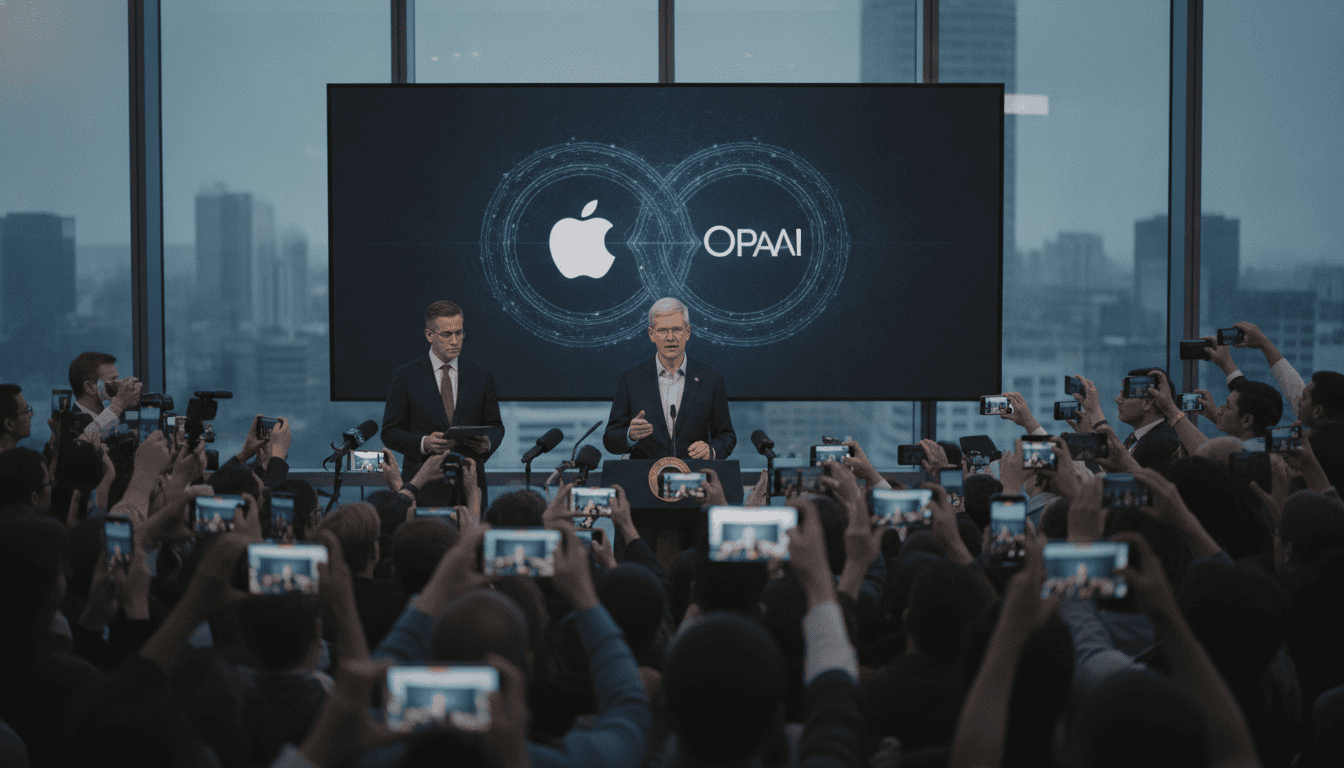
Apple sues OpenAI, alleging trade secret theft by former Apple engineers
Apple sues OpenAI in California, accusing the AI company of stealing trade secrets via former Apple engineers; Apple seeks damages and an injunction in its filing.
Apple sues OpenAI in a complaint filed on July 10, 2026, alleging that the ChatGPT developer misappropriated confidential information through a coordinated pattern of misconduct. The company named two former Apple employees now at OpenAI and said the alleged actions were intended to benefit OpenAI’s development of AI-driven hardware. Apple is asking the court for monetary damages and an injunction to prevent further use of the information it says was taken.
Apple files suit in California
Apple filed the complaint in a California court on July 10, 2026, framing the dispute as theft of trade secrets and institutional misconduct. The company argues the conduct was not isolated but part of a broader strategy to acquire Apple’s confidential product and component information. Apple described the matter as a serious breach that threatens its competitive position in device development.
Allegations identify two former Apple engineers
The suit names Tang Tan, identified as OpenAI’s head of hardware, and Chang Liu, a former Apple electrical engineer, as central figures in the alleged misconduct. Apple says Tan played a leading role in hardware projects such as the iPhone and Apple Watch before moving to OpenAI, while Liu had access to sensitive product-development projects. The complaint asserts that both individuals exploited their prior roles and access to obtain information beneficial to OpenAI’s hardware ambitions.
Accused methods of obtaining confidential information
According to the filing, Apple’s investigators concluded Tan solicited current Apple employees to bring company components to job interviews at OpenAI, which Apple views as a method to harvest design and parts information. The complaint also alleges that Liu used a computer taken from Apple to access confidential files after joining OpenAI. Apple presents those actions as examples of an orchestrated effort to transfer proprietary material to a competitor.
OpenAI reply and the companies’ existing relationship
OpenAI issued a statement to Bloomberg denying any interest in other companies’ secrets, saying it does not seek or use confidential information from partners. The firms nevertheless maintain a commercial relationship: Apple routes certain Siri queries to ChatGPT when its assistant cannot answer, and the companies have collaborated on integrating AI features into Apple devices. Media reports also indicate tensions have risen previously, with OpenAI reportedly considering legal action against Apple over their partnership’s performance.
Scope of employee transfers and company concern
In its complaint, Apple noted that more than 400 former Apple employees now work at OpenAI, a figure it presented as evidence of potential channels for confidential information to move between firms. Apple characterizes the volume of hires and the alleged conduct of named individuals as heightening the risk to its trade secrets. The company is seeking judicial remedies that would limit OpenAI’s ability to use the specific information Apple says was misappropriated.
Potential legal and industry consequences
Legal experts say trade-secret litigation between major technology firms can hinge on proving both the secrecy of the material and improper acquisition or use. If Apple establishes that OpenAI knowingly benefited from stolen information, the company could win damages and court-ordered limits on product development or data use. Beyond the courtroom, the dispute adds strain to industry practices around employee mobility and collaboration between hardware makers and AI firms.
The lawsuit marks a prominent escalation in tensions between a leading consumer hardware company and a dominant AI developer, underscoring the commercial sensitivity of device-level innovation. Both the legal process and any further statements from the parties will be watched closely for their implications on partnerships, hiring practices, and the development of AI-enabled hardware.
