
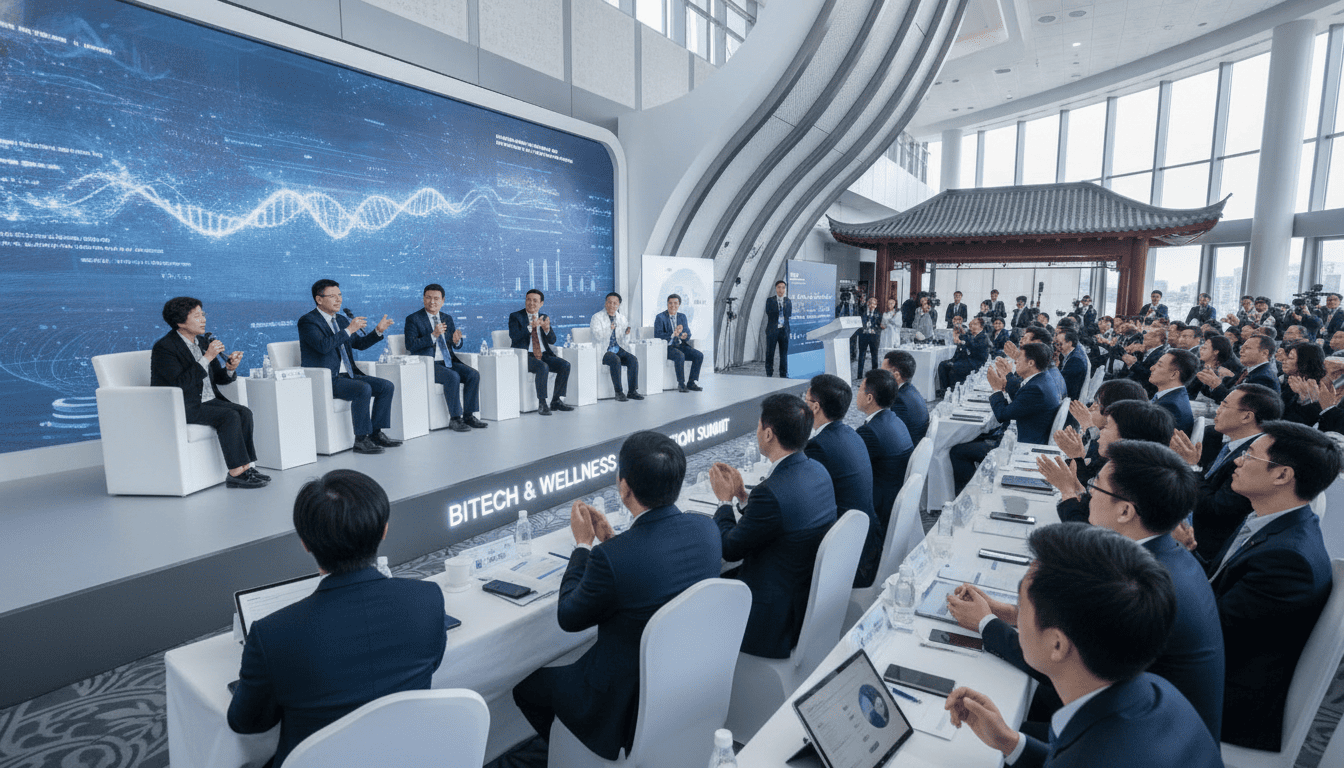
China’s longevity market expands as biotech, medicine and lifestyle converge
China’s longevity market is rising as biotech, medicine and wellness merge to address the needs of a rapidly aging population. Investors and startups are positioning for growth by combining supplements, oxygen therapy, hyperbaric chambers and experimental cell therapies. The effort mirrors trends already mainstream in the United States but faces distinct regulatory, scientific and demographic dynamics in China. With roughly 1.4 billion people and one of the fastest-aging populations globally, the market opportunity is unusually large.
Industry players and product mix
A broad range of companies is entering the longevity space, from established pharmaceutical firms to lifestyle brands and clinic operators. Offerings span nutraceuticals and dietary supplements to medical devices such as oxygen delivery systems and hyperbaric therapy chambers. Clinics promoting stem cell procedures and regenerative-focused interventions have also grown, creating a marketplace where wellness and medical services increasingly overlap.
Private clinics and online retailers are rapidly adopting new business models to package longevity as a consumer experience. Membership programs, bundled diagnostics and personalized supplement plans are common strategies to convert affluent, health-conscious customers. This commercialization has accelerated demand but also raised questions about standards, efficacy and claims.
Demographic pressure and market scale
China’s demographic shift is a principal driver of interest in longevity products and services. The population of about 1.4 billion is aging faster than most economies as birth rates decline and life expectancy rises, increasing demand for interventions that promise healthier, longer lives. That demographic tailwind makes the potential domestic market among the largest in the world for longevity-related goods and services.
Urbanization and rising household incomes magnify the effect, concentrating purchasing power in megacities where concierge medicine and high-end wellness are most viable. For companies, the combination of scale and consumer willingness to pay for perceived health extension creates a compelling commercial proposition.
Scientific and regulatory hurdles
Despite commercial momentum, scientific consensus on many longevity treatments remains limited, and robust clinical evidence for some therapies is still emerging. Interventions like stem cell therapies require rigorous trials to validate safety and long-term benefits, while supplements and oxygen therapies often lack standardized efficacy data. Regulators face the challenge of balancing innovation with patient protection.
Chinese regulators have tightened oversight in recent years across biotech and medical services, signaling closer scrutiny of exaggerated claims and unproven procedures. Compliance costs and approval timelines could slow some market entrants, particularly those pursuing novel biological treatments that demand clinical validation.
Investment trends and startup activity
Venture capital and private equity have flowed into companies promising to extend healthy lifespan, with a mix of domestic funds and international investors participating. Startups focused on diagnostics, biomarker-based personalization and platform technologies are attracting the most funding. Investors are betting that scalable, evidence-based products can migrate from clinics to mass markets over time.
Strategic partnerships between biotech firms and consumer-facing companies are becoming more common as players seek to integrate scientific credibility with distribution reach. Larger pharmaceutical companies are also exploring acquisitions and collaborations to secure footholds in the longevity segment.
Clinical adoption and consumer demand
Medical practitioners are cautiously integrating longevity tools into preventive care, often starting with comprehensive diagnostics and lifestyle programs. Routine testing, advanced imaging and genomic screening are increasingly used to tailor interventions, from tailored supplementation to targeted therapies. For many patients, the appeal lies in reducing disease risk and preserving function rather than chasing dramatic life-extension claims.
At the same time, consumer enthusiasm for quick results supports a parallel market of commercially driven services, which may prioritize immediate demand over long-term outcomes. That dynamic creates both opportunities for early adopters and risks of overpromising.
International comparisons and market positioning
The longevity trend is more mature in the United States, where a combination of private funding, academic research and a permissive consumer market has normalized many interventions. China’s market currently trails the U.S. in clinical validation and mainstream acceptance but benefits from scale, capital and rapid commercialization channels. Cross-border collaboration and knowledge transfer are likely to shape how quickly Chinese offerings gain scientific maturity and global credibility.
Chinese companies may leverage domestic scale to iterate quickly, but success will hinge on translating consumer interest into validated, repeatable medical outcomes. International partnerships, clinical trials and transparent reporting of results will be key to gaining trust both at home and abroad.
China’s longevity market is at a pivotal stage where commercial enthusiasm meets scientific uncertainty and regulatory tightening. The sector’s growth will depend on the ability of companies to demonstrate clear benefits, comply with evolving rules, and scale responsibly to serve a vast and aging population.
