
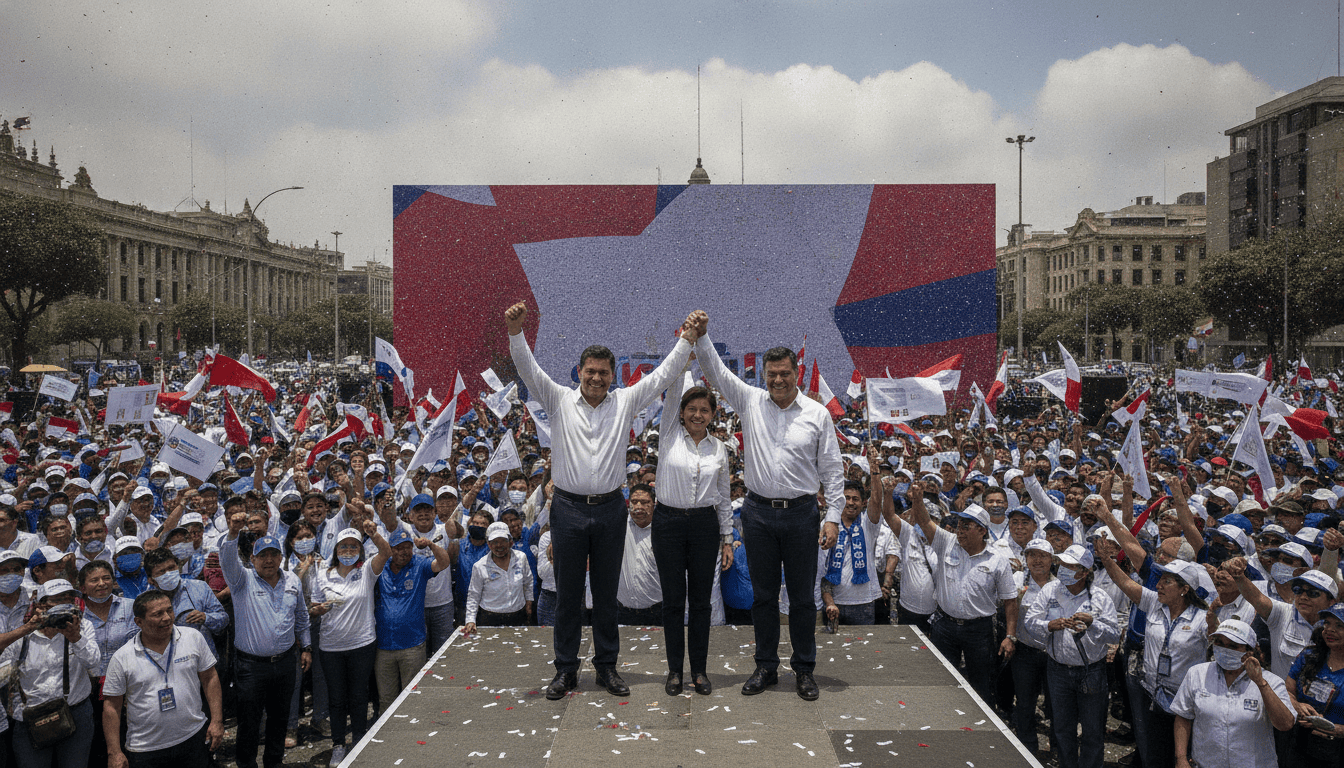
Conservative wave in Latin America deepens after Peru and Colombia elect right-wing leaders
Conservative wave in Latin America grows as right-wing victors in Peru and Colombia now fuel debate over regional alliances, crime policy and migration.
The recent victories of right-wing presidential candidates in Peru and Colombia mark the latest stage of a conservative wave in Latin America that analysts say has consolidated over the last three years. The developments have intensified discussions about whether these wins represent a loose ideological convergence or the beginnings of a coordinated regional alignment. Observers note the new leaders have frequently invoked tough-on-crime and anti-migration rhetoric similar to that used by U.S. politicians, reshaping domestic agendas and foreign policy postures.
Right-wing wins in Peru and Colombia this month
In the past month, voters in both Peru and Colombia elected right-leaning presidents, adding to a string of conservative triumphs across the region. The elections followed campaigns centered on public security, economic stability and migration controls, themes that resonated with electorates concerned about crime and inflation. Turnout patterns and campaign messaging suggest a voter shift toward candidates promising order and stronger enforcement, according to regional commentators.
Pattern of conservative gains over three years
Analysts trace the conservative resurgence to electoral cycles over the last three years, where multiple countries shifted away from left-leaning governments. This pattern has produced an expanding slate of conservative leaders who prioritize security, business-friendly policies and stricter migration measures. Experts caution, however, that the label “conservative” covers a broad spectrum of positions, from pragmatic centrists to more populist right figures, complicating assumptions about unified policy directions.
Shared rhetoric on crime and migrants
A common thread in recent campaigns has been the emphasis on crime reduction and tighter migration controls, messaging that has echoed rhetoric from high-profile international figures. Candidates in both Peru and Colombia framed public insecurity and irregular migration as urgent national crises requiring decisive action. Such framing has helped mobilize voters anxious about safety and social stability, while also setting expectations for punitive policies and expanded law enforcement powers.
Analysts weigh regional alliance prospects
Scholars and commentators, including Jose Ragas, Oliver Stuenkel and Javier Farje, have debated whether electoral alignment will translate into a formal regional alliance. Some see the convergence as an opportunity for pragmatic cooperation on border controls, trade and security operations. Others argue ideological affinities may be shallow, with domestic priorities and political rivalries likely to limit deep institutional integration among conservative governments.
Domestic policy shifts and governance implications
Early policy signals from newly elected governments indicate a focus on immediate, high-visibility measures such as increased policing, sentencing reforms and immigration enforcement. Such initiatives may produce quick political gains but also risk judicial pushback, human rights scrutiny and social protest if implemented without safeguards. Economically, conservative administrations are expected to emphasize market-friendly reforms aimed at boosting investment and stabilizing public finances, though results will vary by country.
International relations and U.S. influence
The recent electoral trend raises questions about Latin America’s external alignments and the role of U.S. influence in shaping regional discourse. The adoption of rhetoric similar to prominent U.S. leaders on crime and migrants suggests messaging and policy models are crossing borders. At the same time, regional foreign policies will be shaped by local strategic calculations, including trade ties, migration flows and security cooperation, rather than by a single external patron.
The consolidation of conservative leadership in parts of Latin America is likely to produce both cooperation on specific issues and persistent differences rooted in national contexts. Whether this moment evolves into a durable regional bloc or a series of parallel, country-specific responses will depend on how new governments navigate domestic pressures, institutional checks and international expectations.
