
Hessian Soldiers at 250: Reassessing the German Troops Who Shaped the American Revolution
On the 250th anniversary of their deployment in 1776, Hessian soldiers are being reexamined for their central role in the American Revolution, from recruitment and battlefield service to economic impact and legacy. The story of these German contingents blends state policy, private profit and individual motives in ways that reshaped both Hesse-Kassel and the emerging United States. This reassessment revisits long-standing myths and newly foregrounds the human and fiscal consequences of the soldier trade.
Origins of the Hessian contingents in North America
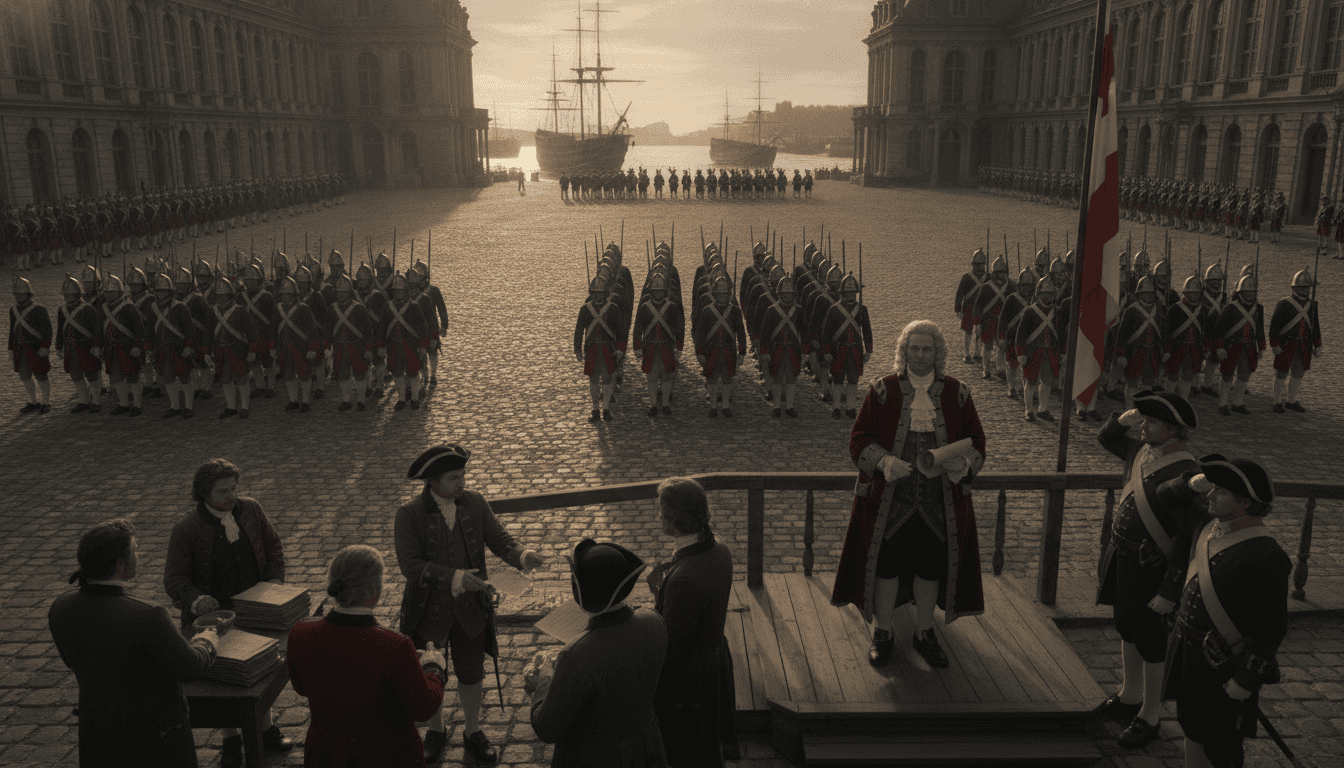
The first large contingents of German troops reached North America in 1776, sent by several small German states under subsidized contracts with Great Britain. Collectively called “Hessians” in American discourse, about 30,000 men from six principalities served with the British, with roughly 17,000 supplied by Hesse-Kassel alone. Their arrival represented not merely a military reinforcement for King George III but an export of manpower that altered the balance of forces in the conflict.
Soldier leasing as formal state policy in Hesse-Kassel
Hesse-Kassel institutionalized the practice of leasing regiments abroad, treating standing troops as a source of state revenue rather than solely as a defensive force. Contracts commonly transferred whole units, including officers and support staff, to foreign employers for payment, a system historians label the soldier trade. This model made Hesse-Kassel an outlier among German states: highly militarized, fiscally dependent on subsidies and organized to supply troops on demand.
Economic gains and public cultural backlash
The subsidies from Britain and other foreign patrons financed substantial state projects and lowered domestic tax burdens, underwriting schools, hospitals and public buildings such as the Fridericianum museum in Kassel. At the same time, critics accused princes of selling their subjects to fund princely luxury, a narrative amplified by contemporary writers and later cultural memory. The dual reality persisted: Subsidies stimulated local economies and infrastructure even as they provoked moral and literary condemnation at home and abroad.
Recruitment practices and soldier motivations
Recruitment combined incentives, social pressure and, at times, coercion. Official policy targeted young men judged “economically expendable,” offering pay, exemptions from certain dues and a route to social advancement. Yet recruiters sometimes pressed the unwilling into lines, and desertion was common when men resisted overseas service. For many volunteers the calculus was pragmatic: steady wages, relief from seasonal hunger and the chance to acquire savings or land—motives that complicate a simple victim-or-perpetrator binary.
Combat experience, Trenton and prisoner policies
Hessian soldiers fought across the eastern theater of the war and earned both a fearsome reputation and unexpected vulnerabilities. That reputation unraveled at Trenton in December 1776, when George Washington’s crossing of the Delaware led to the surprise capture of roughly 900 Hessians. American propaganda swiftly recast them as coerced dependents of oppressive princes rather than mercenary villains, and many prisoners received decent treatment, lower mortality rates in captivity than some British units, and offers of land and livestock to settle in the colonies.
Human costs, settlement and return to Hesse-Kassel
The human toll was significant: several thousand German soldiers died during the conflict, most succumbing to disease and harsh winter conditions rather than battlefield wounds. After the war, roughly 3,000 former soldiers remained in North America, attracted by offers of land and the promise of new lives in German-speaking communities in Pennsylvania and Maryland. Tens of thousands returned to Germany, many with savings and altered expectations; their reintegration coincided with a mixed economic picture at home, where urban centers benefited from military contracts while rural households suffered labor shortages.
Hesse-Kassel’s rulers continued to profit from the soldier trade even as its risks became clear. Income from the leasing of troops had long covered a substantial share of the state budget, and leaders like Landgrave Friedrich II treated the army as a cash asset. In his later years, however, the Landgrave declined new foreign contracts, having seen the hazards and reputational costs the practice entailed.
Remembering the Hessian soldiers does not yield a single moral verdict. Their presence in America was shaped by state policy, economic calculation and individual choices under constrained circumstances. As the 250th anniversary prompts renewed study, the term “Hessian” proves both historically specific and culturally resonant—invoking wartime service, international commerce in manpower and the tangled legacy of small-state decision-making in an age of empires.
