
German teacher’s calm reading sessions point to rise of nap-friendly classrooms
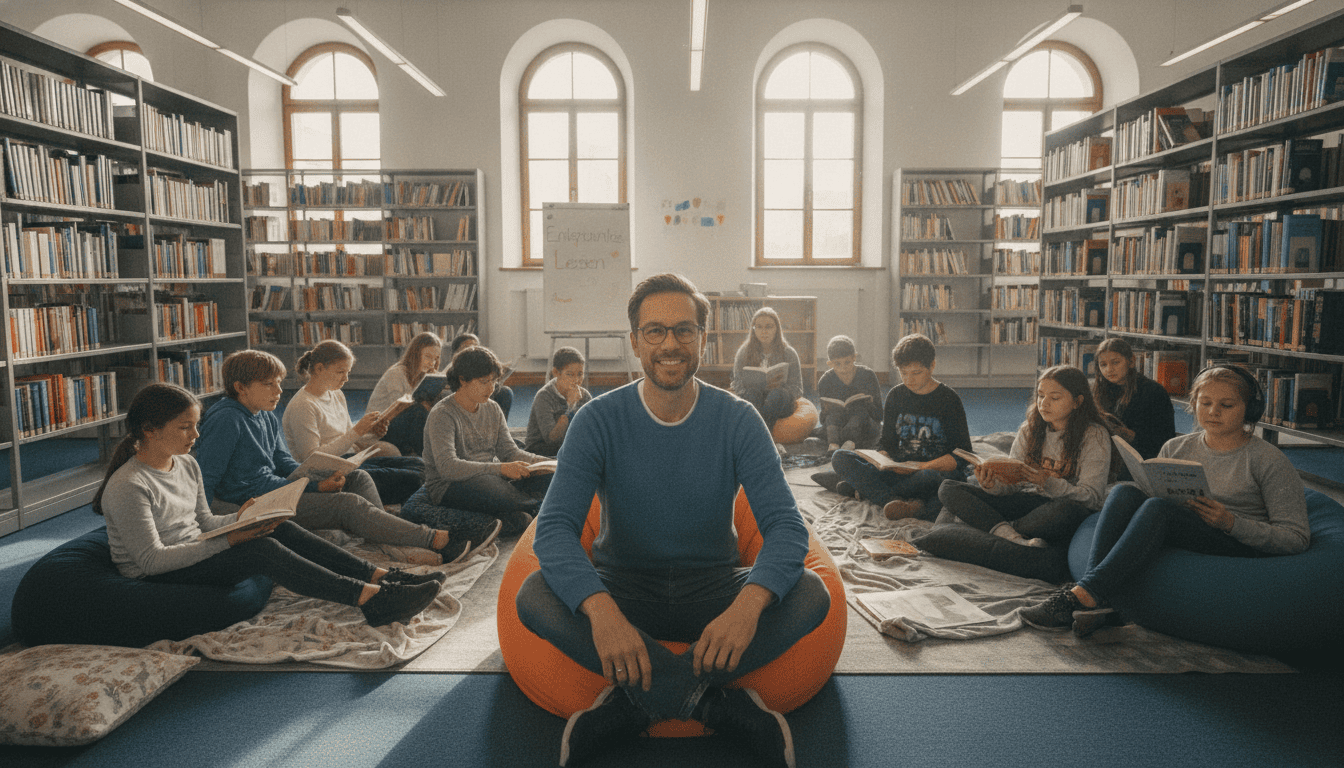
A German teacher’s decision to let sixth graders rest during a German lesson is drawing attention to the rise of nap-friendly classrooms as an approach to pupil wellbeing. Jonathan Haß arranged cushions and blankets, pushed desks aside and read aloud while some students slept, reflecting a wider conversation about rest and learning in schools.
Teacher allows rest during German lesson
In a recent class, Jonathan Haß moved desks and chairs to the edges of the room and invited his pupils to settle on the floor with pillows and blankets. He read aloud while some students dozed, and Haß treated the quiet repose as an acceptable and purposeful part of the lesson.
The scene — a mix of sleeping children and attentive listeners — was described by observers as unusual for traditional lessons but deliberate in its design. For the teacher, the reading session was both instruction and a way to create calm in the classroom.
Classroom transformed for comfort
The physical layout of the room was altered to prioritize comfort: cushions, blankets and open floor space replaced rows of desks. Such changes are typical of experiments that seek to make learning environments more flexible and responsive to pupils’ needs.
By removing the formal structure of seating, Haß created a setting where listening, reflection and short restorative rest were possible without disrupting the sense of class community. The arrangement signaled an intentional shift away from strict desk-based instruction for a portion of the period.
Students respond to reading sessions
Some pupils remained awake and engaged with the reading while others drifted into sleep; a number of students reportedly only know this relaxed atmosphere from school. Teachers who adopt this model say it can accommodate different rhythms of attention among children.
Proponents argue that a short period of calm or rest can help tired students return to active learning more focused. Critics, meanwhile, worry about lost instructional time and the difficulty of ensuring such sessions support learning objectives.
Wellbeing and learning: emerging rationale
Educators who support nap-friendly classrooms point to concerns about childhood sleep deprivation, anxiety and the need for schools to support social-emotional development. Short, structured periods of rest or low-stimulation activities are presented as one tool among many to bolster student wellbeing.
Advocates say that when combined with intentional pedagogy — such as reading aloud, guided reflection or gentle activities — restorative breaks do not replace instruction but can enhance attention and memory retention afterward. The approach is framed as a complementary strategy, not a substitute for core teaching.
Policy questions and potential spread
Allowing rest during lessons raises practical and policy questions for schools and districts, including supervision, parental consent and classroom management. School leaders must weigh the benefits of wellbeing measures against expectations for curriculum coverage and standardized assessment.
Some schools may pilot such programs in limited settings or as part of broader wellbeing initiatives, while others may resist change due to logistical constraints or cultural norms about classroom conduct. The debate is likely to consider evidence from pilot projects, feedback from families and guidance from education authorities.
Next steps for schools and teachers
Teachers interested in experimenting with nap-friendly practices typically start small: scheduled quiet periods, read-aloud sessions, or designated relaxation corners that rotate by class. Clear ground rules, explicit learning objectives and communication with parents help manage expectations and ensure safety.
Measuring outcomes — on factors such as student engagement, behaviour, and learning gains — will be important to build an evidence base. Professional development on classroom management and trauma-informed practices can also support teachers who want to integrate restorative pauses into their routines.
The classroom observed with Jonathan Haß — where pillow-lined pupils listened and some slept as he read — illustrates a growing curiosity among educators about how schools can respond to children’s needs beyond test scores. Whether nap-friendly classrooms become a wider feature of schooling will depend on local priorities, practical safeguards and the results of early trials that aim to balance rest with rigorous instruction.
