
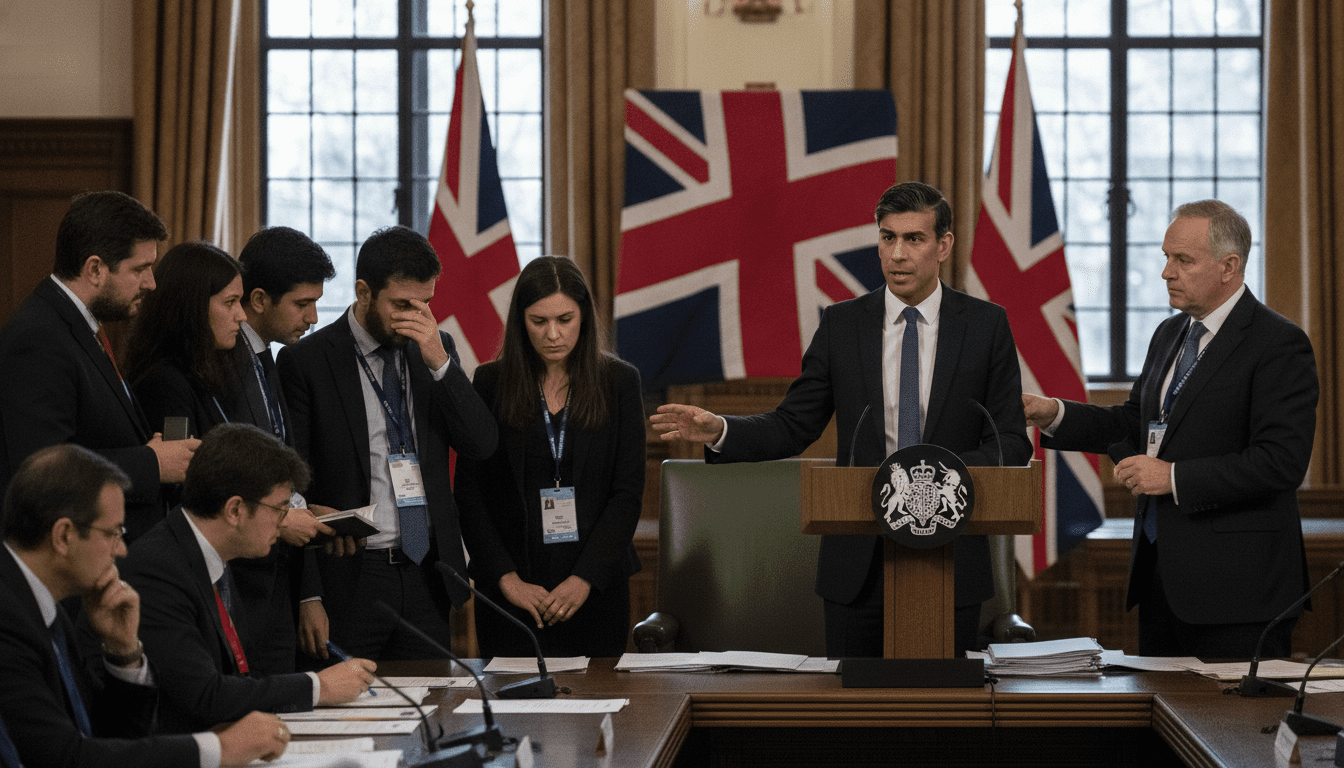
UK National Security (State Threats) Bill could criminalise foreign correspondents, experts warn
Experts warn the National Security (State Threats) Bill could criminalise foreign correspondents and NGO workers who engage with designated state-backed groups.
The National Security (State Threats) Bill, nearing the end of its parliamentary passage at the end of June 2026, has prompted urgent warnings from legal reviewers and press freedom groups that its provisions may criminalise British foreign correspondents and humanitarian workers. The legislation gives the Home Secretary sweeping powers to designate state-backed organisations as threats to the UK’s “safety and interests”, a move critics say uses imprecise language that could sweep in legitimate journalistic and humanitarian contacts. Independent reviewers have highlighted that the bill’s treatment of “material benefit” — which explicitly includes information — risks exposing reporters and NGO staff to penalties of up to 14 years’ imprisonment.
Bill grants sweeping designation powers to the Home Secretary
The draft law empowers the Home Secretary to designate organisations as state-backed threats if deemed prejudicial to national interests. That designation would extend criminal liability to anyone who “supports, assists and obtains material benefits” from those groups, drawing particular concern because the phrase “material benefit” is defined to include information. Critics say that categorisation conflates routine reporting, research and humanitarian communication with material support for hostile activity.
The bill is being expedited through Parliament and is reported to be in its final stages at the end of June 2026. Supporters argue the measure is necessary to respond to sophisticated state influence and interference, but opponents contend the absence of precise limits on designation power risks politicising who is targeted.
Criminal offences and the ‘material benefit’ clause explained
Under the bill, it would be a criminal offence to “obtain, accept, and retain” a material benefit from a designated body, or even to “agree to accept it”, with no statutory “reasonable excuse” defence for those offences. The inclusion of information in the material benefit definition prompted the independent reviewer of terrorism legislation, Jonathan Hall, to recommend extending reasonable excuse protections to cover information, a recommendation the government declined.
Legal experts stress that the lack of an explicit, workable defence for journalistic activity makes ordinary newsgathering — interviewing sources, receiving documents, or reporting from conflict zones — potentially unlawful if those sources are associated with a designated organisation. That ambiguity is the core of the concern among journalists and aid workers.
Journalists and NGOs warn of prosecution risk
David Anderson, a former independent reviewer of terrorism legislation, told observers the bill could see foreign correspondents prosecuted for routine contact with sources inside designated bodies or their agents. He warned that “on the face of it” correspondents would be at risk of prosecution, a contention echoed by press freedom organisations that say proposed safeguards are insufficiently explicit in the bill’s text.
News organisations and NGOs say the threat is not merely theoretical: they point to the government’s narrow framing of prohibited information and the removal of suggested exemptions as evidence the law may be used to chill reporting. Several outlets have warned that investigative journalism reliant on sensitive sources could be curtailed if reporters are forced to choose between legal exposure and withholding vital information.
Government insists journalistic freedoms are protected
The Home Office has repeatedly insisted the bill will not target legitimate journalistic activity, saying the legislation “does nothing to undermine the vital work journalists do” and that “legitimate activity including journalistic freedoms are protected under the bill”. A spokesperson added that diplomatic and humanitarian engagement would also remain lawful and that the UK maintains a strong tradition of press freedom.
Despite those assurances, ministers have not incorporated explicit, narrowly tailored statutory protections for reporters and aid workers into the bill text, a point critics cite as proof that current safeguards are contingent rather than guaranteed. The gap between verbal assurances and the draft statutory language remains a central plank of opposition arguments in Parliament and the media.
Campaigners warn of chilling effect on protest and dissent
Opponents say the bill’s broad and vaguely worded concepts of “foreign power threat activity” and “expressing support” could be applied to peaceful protest and political campaigning. Former Labour leader Jeremy Corbyn said on 17 June 2026 that the legislation represented “an alarming expansion of state power” and warned it could be used to criminalise political campaigns chosen by the Home Secretary.
Campaign groups point to recent enforcement under terrorism legislation as a cautionary tale, noting more than 3,000 arrests under the Terrorism Act for expressions of support for the proscribed group Palestine Action since its proscription in July 2025. Critics add that earlier this month a court development involving a proscription ruling — which had been challenged in February 2026 — underscored the legal uncertainty surrounding these measures.
The debate is playing out against a backdrop of heightened public scrutiny of both national security and civil liberties, with NGOs and press bodies urging explicit, statutory exemptions and clearer definitions in order to preserve the ability of journalists and humanitarian actors to operate safely.
The passage of the National Security (State Threats) Bill through Parliament in late June 2026 is likely to intensify scrutiny from legal experts, media organisations and rights groups, who say amendment or clearer statutory safeguards are required to prevent inadvertent criminalisation of lawful reporting and humanitarian work.
