
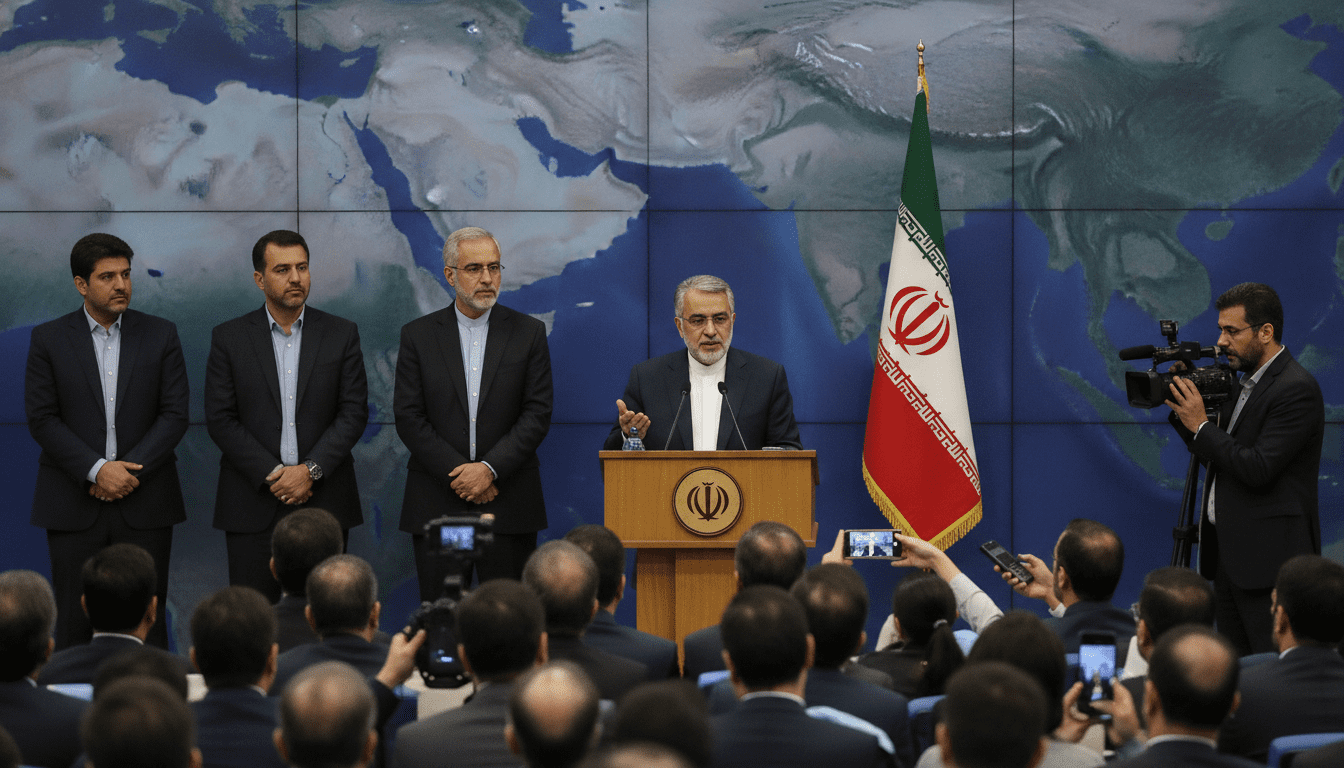
Iran Labels US-GCC Statement “Interventionist” and Blames U.S. Military Presence for Gulf Insecurity
Iran condemns the US-GCC statement as “interventionist,” saying the US military presence in the Gulf creates insecurity and reiterating that the Strait of Hormuz should be governed with Oman.
Tehran’s Formal Rebuttal
The Iranian foreign ministry on Friday described the US-GCC statement as “interventionist, irresponsible and provocative,” signaling a sharp diplomatic rebuke to the joint communique. The ministry said the language adopted by the United States and Gulf Cooperation Council countries mischaracterized Tehran’s role and heightened tensions rather than reducing them. Iran framed the statement as evidence that an expanded U.S. footprint in the Gulf is contributing to division and instability across the region.
Contested Governance of the Strait of Hormuz
Iran reiterated its longstanding position that governance of the Strait of Hormuz should be managed in cooperation with Oman, referencing the terms of a memorandum of understanding it says governs bilateral arrangements. The foreign ministry emphasized that any measures affecting passage through the strait must respect existing bilateral frameworks, arguing that unilateral or external attempts to impose tolls or controls would violate regional norms. The comment comes after the US and GCC explicitly rejected any tolls or attempts to control passage through the waterway in their earlier statement.
Accusations of Proxy Attacks
The US-GCC statement also accused Iran of backing proxy attacks in Iraq that have targeted Gulf states, including drone strikes that damaged civilian facilities and energy infrastructure. Tehran’s response did not explicitly deny the existence of proxy groups but framed regional violence as a product of foreign intervention and military escalation. Both sides used the exchange to underscore opposing narratives about responsibility for recent security incidents in Iraq and across the Gulf.
U.S. Military Presence Criticized
Iran characterized the American military presence in the Gulf as a central source of insecurity and division, arguing that foreign forces exacerbate tensions rather than deter conflict. The foreign ministry said that sustained U.S. deployments and operations undermine regional sovereignty and complicate diplomatic efforts to resolve disputes peacefully. The allegation reflects Tehran’s long-standing criticism of U.S. policy in the Middle East and its view that external military actors contribute to a cycle of escalation.
Reference to US-Oman Memorandum of Understanding
In restating the role of Oman in managing the Strait of Hormuz, Iran invoked a memorandum of understanding with the United States to underline its claim about regional arrangements. Tehran argued that any governance framework should prioritize the interests and agreements of littoral states, particularly Oman, rather than broader coalitions or external military coalitions. The ministry’s reference appears aimed at reinforcing a legal and diplomatic basis for Iran’s stance on maritime governance and freedom of navigation.
Diplomatic and Security Implications
The exchange between Iran and the US-GCC coalition underscores persistent diplomatic fractures at a time when energy and shipping security remain global concerns. Analysts say continued public recriminations increase the risk of miscalculation at sea and complicate back-channel diplomacy that might otherwise reduce the chance of direct confrontation. Regional capitals will now weigh whether to intensify diplomatic engagement to de-escalate tensions or to shore up military deterrence amid competing security narratives.
Energy and Commercial Concerns
Commercial shipping and energy markets are sensitive to rhetoric and incidents in the Strait of Hormuz, through which a significant portion of global oil shipments pass. Both the US-GCC statement and Iran’s rebuttal referenced damage to energy security, reflecting shared anxieties about how localized incidents can ripple through markets. Private sector actors and maritime insurers will likely monitor the diplomatic trajectory closely for signs of either stabilization or further volatility.
Outlook for Regional Diplomacy
The public nature of the dispute signals limited immediate movement toward rapprochement, as both sides seek to shore up domestic and regional constituencies. Diplomatic options remain available, including third‑party mediation and renewed bilateral talks, but progress will depend on whether involved parties prioritize de-escalation over signaling strength. For now, the dispute over the US-GCC statement and the governance of the Strait of Hormuz is likely to shape regional security discussions in the coming weeks.
The immediate trajectory will hinge on diplomatic responses from Gulf states and whether the United States and its partners pursue additional measures to deter attacks on civilian and energy infrastructure while also seeking channels to reduce tensions at sea.
