
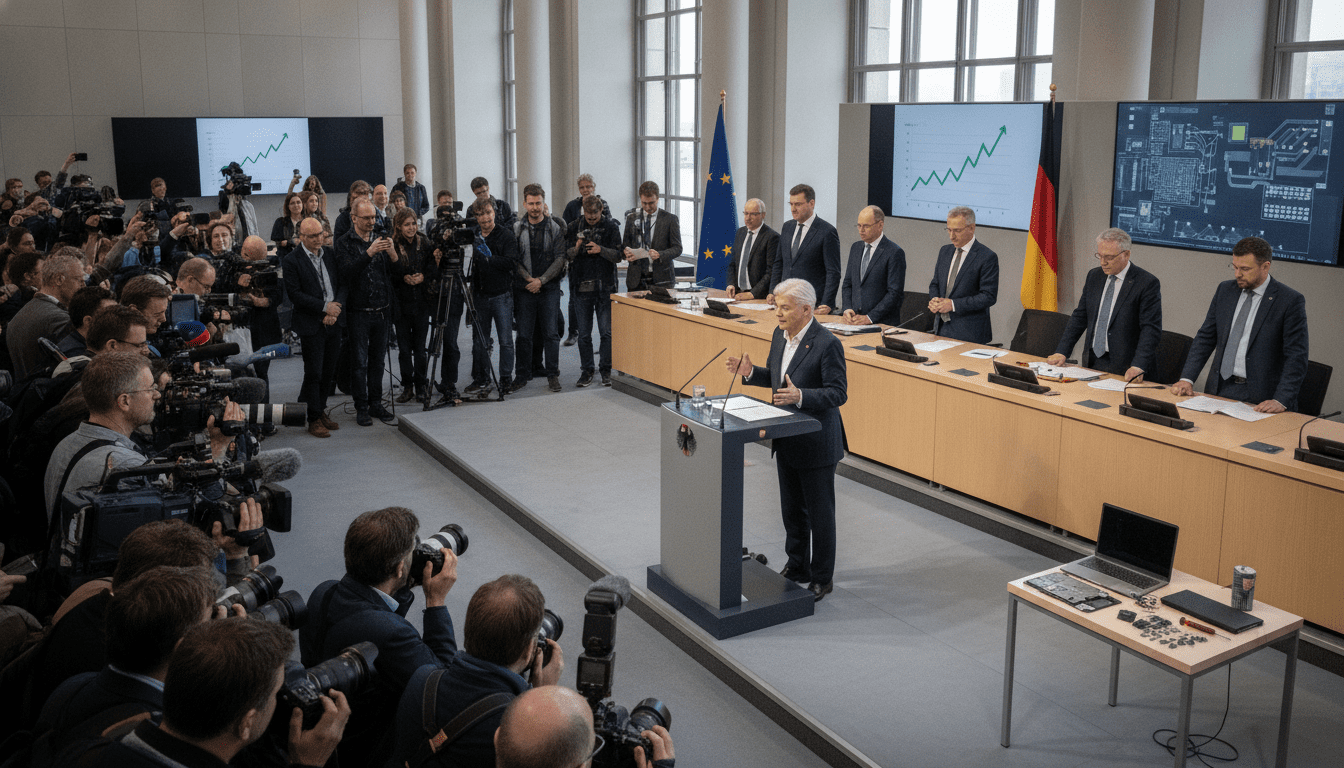
Germany enshrines EU right to repair into national law
Bundestag enacts EU right to repair: manufacturers must make electronics repairable; consumers gain affordable fixes and a 12‑month warranty extension.
Bundestag enacts EU right to repair into German law
Germany’s Bundestag approved legislation to implement the EU right to repair, making repairability a legal requirement for a range of consumer electronics. The law requires manufacturers to offer repair services at reasonable prices for products during their typical lifetime. Lawmakers framed the measure as a response to throwaway consumer habits and a step toward longer product lifecycles.
Devices covered and consumer protections
The new rules explicitly cover common household and personal electronics, including washing machines, mobile phones, tablets and e-bikes. Under the law, those products must be engineered so components that wear out or fail can be replaced without undue difficulty. Consumers will be able to request repairs rather than replacements, with the aim of lowering household costs and reducing electronic waste.
Manufacturer obligations on design and parts availability
Manufacturers are required to design devices with repairability in mind, which includes allowing battery replacements and access to key components. The statute makes it unlawful to seal or assemble parts in ways that effectively prevent standard repairs during the expected service life of the product. Producers must also make spare parts and repair information available to independent repairers as well as authorized service centers.
Pricing rules and warranty incentives for repairs
The law mandates that repairs be offered at reasonable prices, though what constitutes an acceptable fee will be clarified in implementing regulations. A notable consumer incentive in the legislation extends an ongoing warranty by 12 months if a buyer chooses repair instead of replacement. That extension is designed to encourage repairs and to give customers greater confidence that a fixed device will remain protected after repair.
Reactions from industry and consumer groups
Industry representatives welcomed certain aspects of the measure while urging clear technical standards and transition timelines. The trade association for information and telecommunications businesses said longer device use saves money and resources, framing repairability as both economically and environmentally sensible. Consumer advocates praised the consumer protections but pressed for additional measures, including a manufacturer-funded repair bonus to make repairs more attractive and affordable.
Environmental and market implications
Policy analysts say the right to repair is likely to reduce the volume of electronic waste and conserve raw materials by keeping devices in use longer. The change may also stimulate local repair businesses and create service-sector jobs as demand for repairs rises. At the same time, manufacturers face compliance costs and will need to redesign products and supply chains to ensure parts availability and repair documentation.
Final paragraph
The passage of the law marks a significant regulatory shift in Germany’s approach to consumer electronics and sustainability, translating an EU directive into concrete obligations for producers and new rights for buyers. Implementation details and enforcement mechanisms will be determined in follow-up regulations, but the law sets a clear direction: repairability is now a legal expectation for many everyday devices and a policy lever to curb waste and extend product lifespans.
