
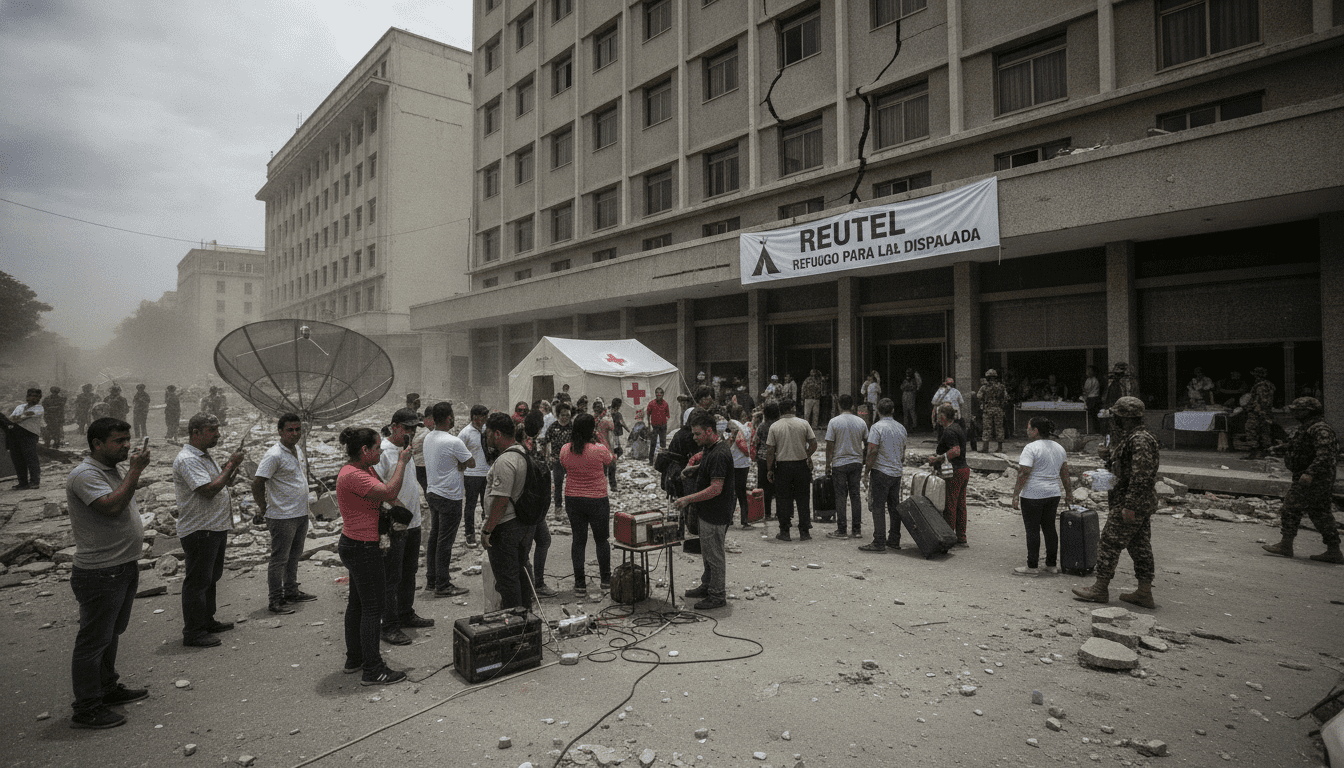
Venezuela earthquakes leave Caracas struggling as communications collapse and displaced take shelter in hotels
Two powerful Venezuela earthquakes on June 25 2026 left Caracas with communication blackouts, hotels sheltering displaced residents and rescue efforts strained.
The twin shocks that struck Venezuela on June 25, 2026, produced widespread shaking in the capital and surrounding coastal areas, displacing families and overwhelming local capacities. Caracas-based reporter Noris Soto described scenes of residents seeking refuge in hotels while authorities scrambled to assess damage amid failing phone and internet networks. Emergency services and relief groups warned that limited communications and coordination were slowing search-and-rescue work and the delivery of vital relief.
Two strong quakes shake Caracas and nearby coastal areas
Initial reports indicate two significant tremors struck Venezuela’s coastal region on June 25, 2026, producing strong shaking in Caracas and other population centers. The shocks were felt across broad swaths of the country, prompting immediate evacuations of vulnerable buildings and public alerts issued where possible.
Seismological agencies and local monitoring centers are still compiling data on precise epicenters and aftershock patterns as responders prioritize life-saving operations. Officials have cautioned residents to expect further aftershocks and to follow safety guidance while assessments continue.
Communication systems suffer extensive damage
Communication blackouts have been reported in multiple districts, hindering both public alerts and the coordination of rescue teams. Telephone and internet outages have left many families unable to contact relatives or request assistance, complicating efforts to establish a clear picture of casualties and damage.
Telecommunications technicians face damaged infrastructure and power interruptions, delaying restoration work. Authorities and responders have described the communications failures as a principal obstacle to organizing relief and directing resources to hardest-hit communities.
Hotels converted into temporary shelters for displaced residents
With many homes damaged or deemed unsafe, a number of hotels in Caracas and nearby towns are hosting displaced residents and families. Hoteliers and municipal officials have arranged rooms and basic services to accommodate people who cannot return to their residences.
While hotel shelters provide immediate safety, capacity is limited and conditions are rudimentary for those who may need longer-term assistance. Local authorities are working to identify alternative shelter options, but the lack of clear coordination has slowed the establishment of larger communal shelters and support centers.
Emergency response faces coordination and planning gaps
Responders and local journalists reported what they described as uneven coordination among municipal, regional and national agencies in the immediate aftermath. Officials appear to be operating without a fully integrated response plan, according to field accounts, creating delays in dispatching search-and-rescue teams and medical aid.
Civil defense and emergency services have mobilized where possible, but the breakdown in communications and unclear command lines have hindered efficient deployment. Observers say clearer, centralized coordination and rapid restoration of communications will be critical in the coming days.
Infrastructure damage is compounding humanitarian needs
Beyond collapsed or damaged homes, there are ongoing reports of roads, water supply lines and power infrastructure suffering disruption. These infrastructure failures are complicating access for ambulances, relief convoys and utility crews working to stabilize essential services.
Hospitals and clinics in several neighborhoods reported increased patient loads and operating difficulties due to intermittent power and limited external support. Officials have prioritized medical facilities and critical access routes, but the scale of infrastructure repair needed remains substantial.
Humanitarian agencies and communities call for quicker aid access
Local relief organizations and community groups are calling for expedited access by humanitarian actors to reach isolated or badly hit neighborhoods. Aid priorities include medical supplies, temporary shelter materials, clean water, food, and psychosocial support for affected families.
Coordination bottlenecks and damaged communications are raising concerns about the timeliness of international assistance, should it be requested or offered. Community leaders say accurate needs assessments will be difficult until phone and internet services are restored and thorough ground surveys can be completed.
Current emergency operations continue to focus on search and rescue, medical care, and ensuring that displaced people have basic shelter and water. Authorities have urged residents to heed safety warnings, report damage when possible, and avoid nonessential travel on roads needed for emergency access.
Immediate priorities are to restore communications so that relief can be targeted more effectively and to expand shelter capacity beyond temporary hotel arrangements. Officials and relief groups say that coordinated logistics, reliable information flow, and rapid repairs to infrastructure will determine how quickly communities can recover and displaced families can return to safe housing.
