
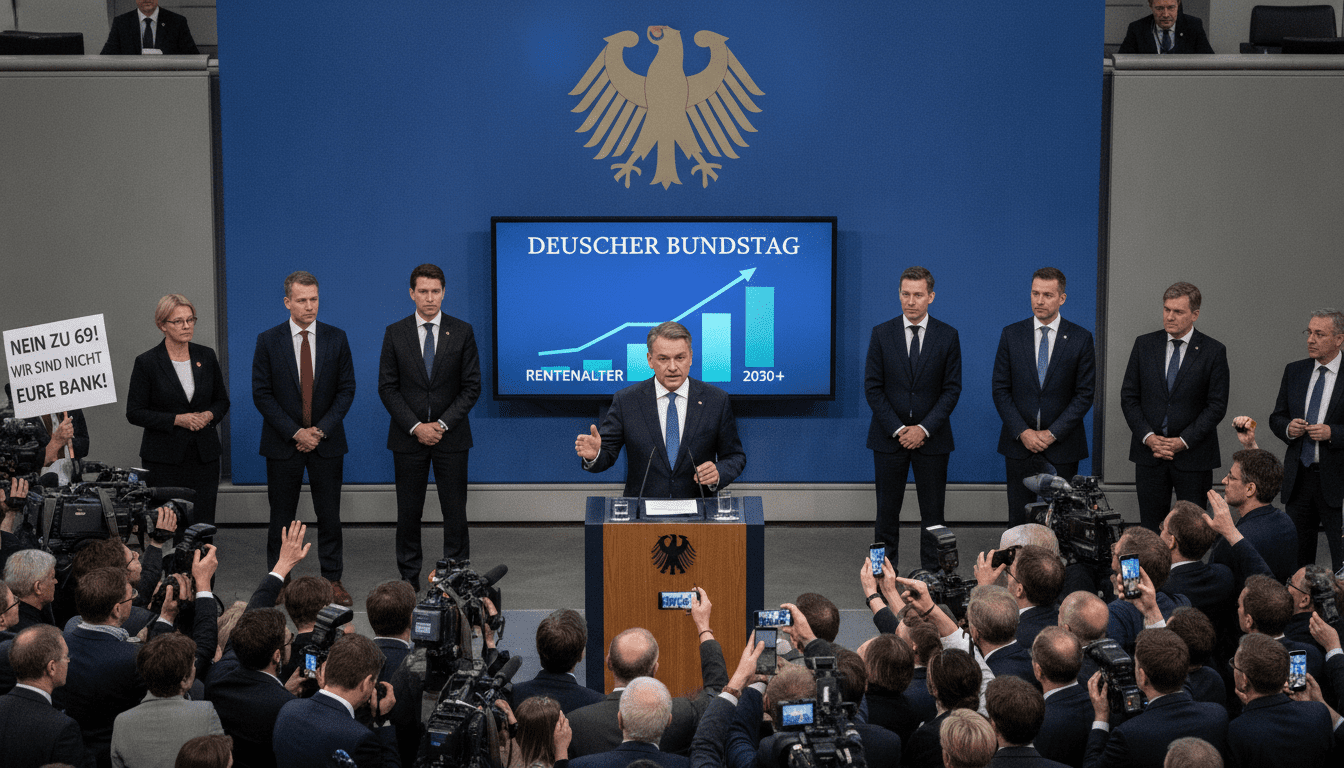
German pension reform proposal faces early pushback over retirement age and market investments
Chancellor Merz advances German pension reform with a 33-point commission plan proposing higher retirement ages and market investments amid public pushback.
Chancellor Friedrich Merz unveiled a sweeping pension reform agenda this week, saying inaction is no longer an option for Germany’s strained retirement system. The proposed pension reform, based on a commission of ten experts and three parliamentarians, contains 33 measures that would change when people retire, how pensions are financed and who pays for future benefits. Young workers have voiced objections about higher costs, while older beneficiaries fear the loss of the “Rente mit 63” early-retirement option.
Merz presents reform as urgent
Chancellor Merz framed the reform as a necessary response to demographic change and fiscal pressure on the pay-as-you-go pension system. He told supporters that the aim is to keep pensions secure for current retirees while restoring affordability for younger generations. The administration argues the package must balance intergenerational equity and long-term sustainability.
The government emphasizes that the proposals are intended to avoid steeper contribution hikes or ever-larger taxpayer subsidies if the status quo continues. Officials say the commission’s recommendations were developed to provide politically viable options, though they acknowledge hard choices will be required.
Commission proposes 33 measures, links retirement age to life expectancy
The expert commission compiled 33 distinct proposals, among them a mechanism to adjust the statutory retirement age in line with life expectancy. Under that concept, the retirement threshold would rise gradually as average lifespans lengthen, shifting the system’s implicit expectations about work-life length.
The commission also recommended diversifying pension funding by allowing part of contributions to be invested in capital markets to generate additional returns. Proposals include safeguards for vulnerable groups, but critics say the suggested measures leave open difficult questions about fairness and implementation.
Concerns over loss of early retirement and hardship rules
A principal flashpoint is the potential rollback of the “Rente mit 63” arrangement, which allows some workers to retire earlier after long insurance periods. Pensioners and older voters have warned that removing or curtailing that option would penalize those in physically demanding jobs.
Labor unions and social organizations have pressed for concrete hardship protections, calling for clear eligibility criteria for early retirement on health or workplace-strain grounds. Without precise compensating measures, opponents say, the reform risks shifting burdens onto blue-collar and lower-income workers.
Demographic and financial pressures driving the proposals
The commission grounded its analysis in a stark demographic forecast: postwar generations have shrunk the ratio of workers to retirees, creating growing imbalances in contribution-based financing. In the 1950s roughly four workers supported one pensioner; today the ratio is about two to one, and projections indicate fewer contributors per retiree by mid-century.
If no changes are made, policymakers warn that contribution rates and fiscal transfers would need to rise significantly to preserve benefit levels. The commission’s mix of later retirement, partial capital-market exposure and potential benefit adjustments aims to spread risk and reduce the scale of abrupt funding shocks.
Political resistance and coalition tensions
Implementation faces immediate political hurdles. Members of the governing coalition differ on which elements are acceptable, and opposition parties are mobilizing to defend early-retirement rules and social protections. The debate has already produced public protests and an uptick in stakeholder lobbying.
Parliamentary maneuvering will determine which of the 33 proposals survive and in what form; some measures would require legislative overhaul and potentially constitutional review. Ministers have signalled that no final decisions will be taken until detailed impact assessments and stakeholder consultations are completed.
Economic trade-offs and market investment risks
Proposals to channel pension contributions into capital markets aim to boost returns but carry volatility and governance challenges. Supporters argue that modest, professionally managed investment can lower long-run financing costs, while detractors warn of potential losses if markets fall and insufficient buffers are built.
The commission recommended strict rules for how capital-market exposure would be phased in and supervised, but analysts say the fiscal safety net and contingency plans will determine whether such a shift strengthens or weakens long-term pension security.
The German pension reform proposal has crystallized a fundamental policy dilemma: balance immediate political pain against future fiscal relief, and reconcile collective insurance principles with modern financial tools. As consultations proceed, the government faces the task of translating technical recommendations into politically durable legislation.
Public hearings and legislative debates scheduled in the coming months will shape the next steps, with unions, employers and municipal authorities expected to press for specific protections. The outcome will determine whether the proposed changes can be adopted without exacerbating social divisions or undermining retirement security for those already near retirement.
