
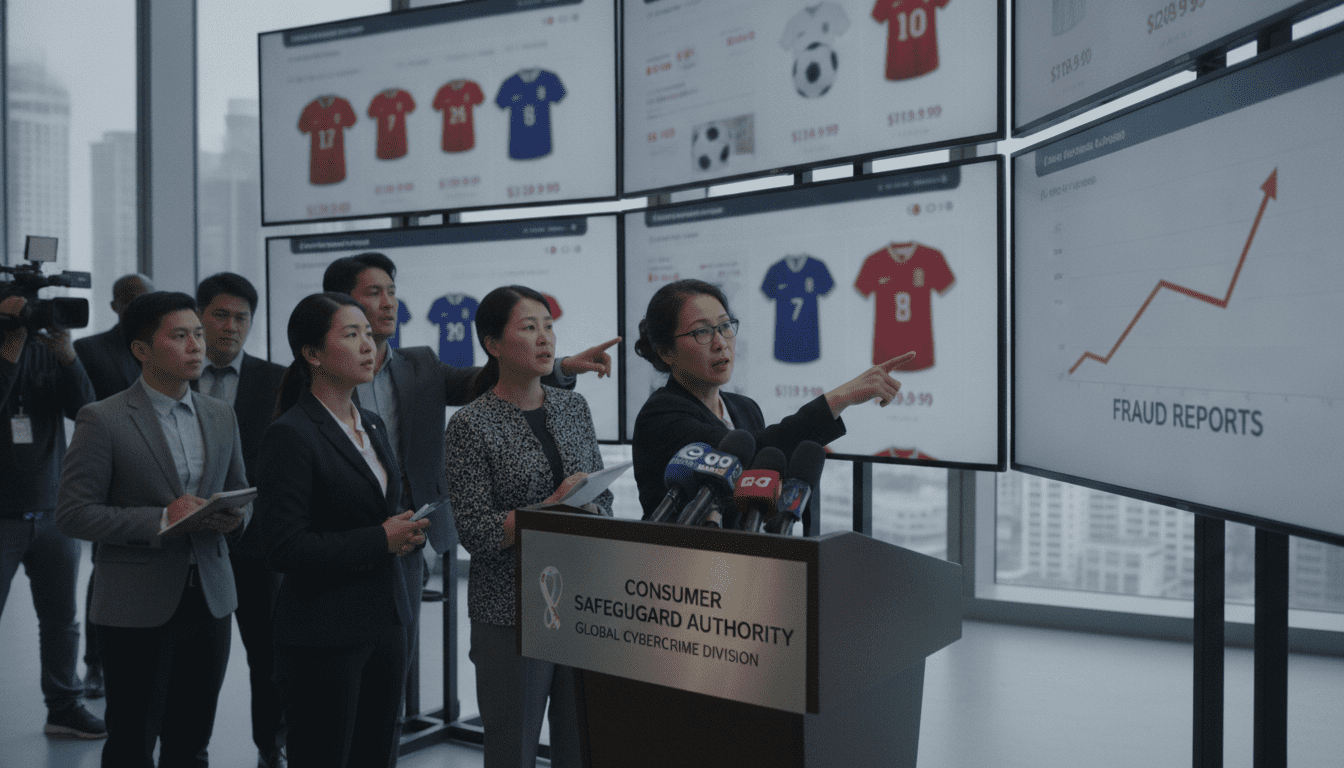
Fake Shops Flood Market with Low‑Price World Cup Jerseys, Consumers Warned
Fake shops are selling World Cup jerseys at suspiciously low prices, consumer groups warned on June 23, 2026 — shoppers are urged to verify sellers and payment options before purchasing.
Shoppers encounter heavily discounted World Cup jerseys online
Many online listings for official World Cup jerseys now advertise prices well below market value, prompting warnings from consumer advocates and legal advisers. Typical retail prices for licensed national team shirts usually start around €100 in official outlets, while dozens of third‑party sites offer them for €20–€40. Analysts say such wide price gaps are a classic indicator of fraudulent storefronts that ship nothing and direct payments to overseas accounts.
Consumer protection organizations reported a sharp uptick in complaints coinciding with the tournament season, noting that opportunistic sellers exploit search ads and social media to reach fans. The message from experts is consistent: if a deal looks too good to be true, it very often is.
Watchdog tools mark many small shops as suspicious
When users entered the names of several discount sellers into the fake‑shop checkers run by consumer advice centers, the results were alarming. Automated tools flagged multiple red indicators including anonymous domain registrations, missing contact details and unverifiable business addresses. Legal counselors at regional consumer centers said that these patterns strongly suggest a high risk of non‑delivery and fraud.
Officials also pointed out that fake shops increasingly mimic legitimate retail design and use copied logos or fabricated trust seals. That visual polish can mislead less experienced shoppers into placing orders before warning signs are investigated.
How scammers craft convincing storefronts and ads
Fraudsters use a range of technical and psychological tactics to create credibility. Listings often display professional photography, cloned product descriptions from licensed brands, and even bogus customer reviews to simulate legitimacy. Paid search placement and aggressive social ads further drive traffic to these sites, making them appear like mainstream retailers in a crowded results page.
Payment methods are typically restricted to options that remove buyer protections, such as direct bank transfers or cryptocurrency, while reputable alternatives like credit card or PayPal are absent or hidden. Experts say the mix of professional appearance and constrained payment channels is designed to harvest money quickly and make recovery difficult.
Police and regulators face coordination challenges
Responses from law enforcement and regulators vary regionally, and authorities acknowledge difficulties in tracing perpetrators who operate across borders. Consumer advocates say units that handle cybercrime and financial fraud often require international cooperation to pursue the operators behind shell websites and overseas bank accounts. That complexity slows investigations and limits the rate at which victims see restitution.
At the same time, some government officials have called for harmonized protocols and clearer jurisdictional rules so that complaints can be escalated more rapidly. Industry groups urged platforms and payment providers to tighten vetting procedures and cut off suspect shops sooner.
Practical checks buyers should perform before ordering
Shoppers can reduce their risk by performing a few quick checks before committing to a purchase. Confirm that the seller lists a verifiable business address, phone number, and VAT registration where applicable, and cross‑check those details with independent resources such as registry databases. Look for multiple independent reviews outside the shop’s own website and verify that secure payment options with dispute mechanisms are offered.
Pay attention to domain age and spelling: newly registered domains or addresses that slightly alter well‑known brand names are common fraud markers. If the product price is markedly below official channels and the seller pressures you to pay quickly, treat the offer with suspicion and walk away.
Steps to take after a suspected scam purchase
If a buyer suspects they have ordered from a fake shop, immediate action raises the chance of recovery. Contact the payment provider to request a chargeback or payment reversal where available, and file a complaint with the local consumer protection agency documenting the transaction and any correspondence. Victims should also report the incident to police and, if possible, preserve screenshots and receipts that record the seller’s claims and the transaction trail.
Consumer advisers emphasized that early reporting helps authorities map scam networks and warn other shoppers, even when individual restitution is uncertain. Collective reporting can trigger platform suspensions and broader enforcement actions that reduce harm to others.
The surge in polished, low‑price World Cup jersey listings underscores a wider trend: fraudsters are becoming more sophisticated in mimicking legitimate e‑commerce, and event‑driven demand provides fertile ground for scams. Remaining vigilant, verifying sellers, and choosing payment methods with buyer protection remain the most reliable defenses against losing money to fake shops.
