
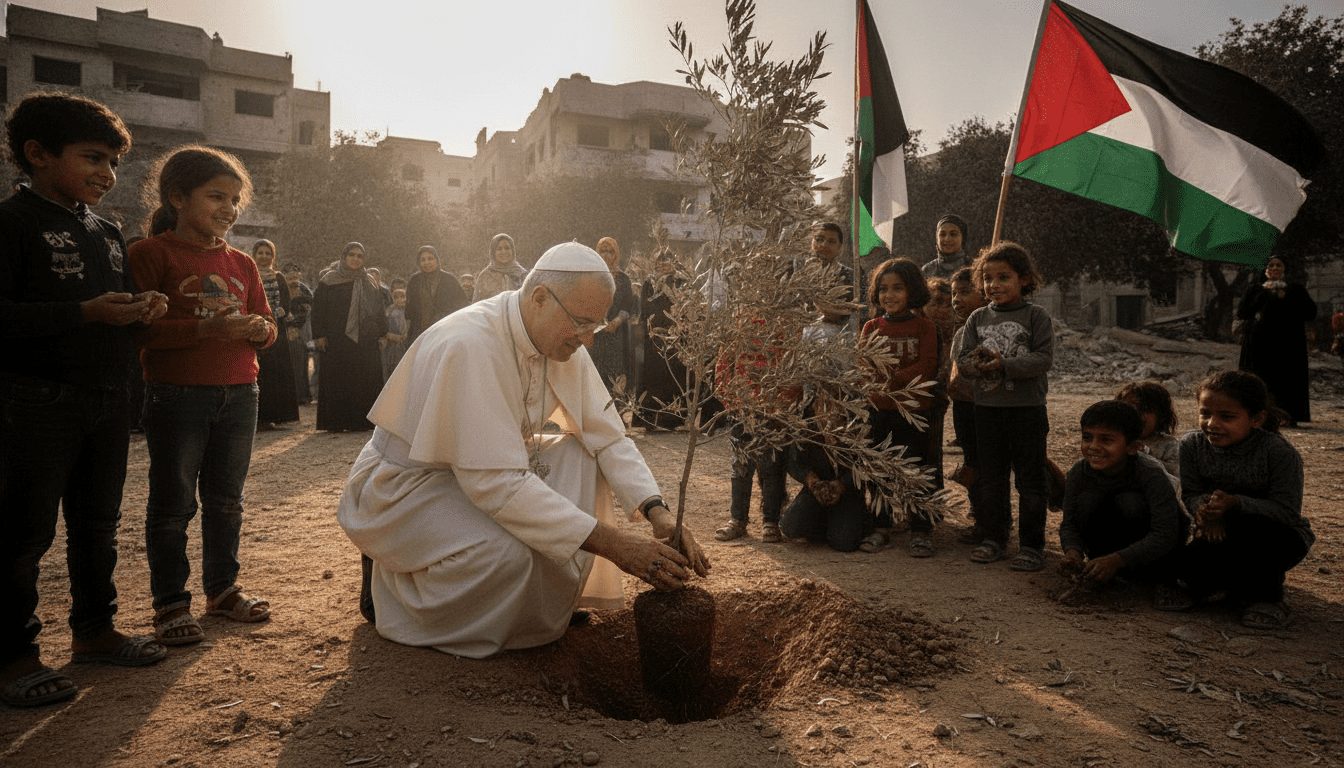
Cardinal Pizzaballa Gaza visit: Latin Patriarch plants olive tree and joins interfaith talks at Al-Azhar University
Cardinal Pizzaballa Gaza visit signals solidarity with Gaza’s Christian community as the Latin Patriarch meets leaders, joins interfaith dialogue at Al-Azhar University and plants an olive tree for peace.
Cardinal Pierbattista Pizzaballa arrived in the Gaza Strip on June 23, 2026, in a visit intended to show solidarity with the small but longstanding Christian community there. The Pizzaballa Gaza visit included a public interfaith dialogue at Al-Azhar University in Gaza and a ceremonial planting of an olive tree, acts described by church officials as gestures toward reconciliation and peace. The Latin Patriarch’s presence also included private meetings with local clergy and congregants facing displacement and humanitarian strain.
Meeting with Gaza’s Christian leaders and congregations
During the visit Cardinal Pizzaballa held talks with local priests and lay representatives to assess their immediate needs and pastoral conditions. Church sources said the meetings focused on the safety of families, the status of church buildings and the challenges of providing pastoral care in an active conflict zone. Participants highlighted disruptions to basic services and difficulties in maintaining regular worship and community support amid ongoing insecurity. The Patriarch listened to personal accounts and affirmed the Latin Patriarchate’s commitment to continued pastoral presence.
Interfaith dialogue convened at Al-Azhar University
At Al-Azhar University in Gaza the Latin Patriarch took part in a structured interfaith exchange that brought together Muslim and Christian scholars and community leaders. The dialogue aimed to foster common ground on humanitarian concerns and the protection of civilians, reflecting a mutual interest in preserving social cohesion under duress. Organizers described the session as an effort to reinforce local channels of cooperation between faith communities and academic institutions. The Pizzaballa Gaza visit there was framed as both symbolic and practical, emphasizing dialogue as a tool for sustaining communal life.
Olive tree planting as a peace symbol
As part of the day’s events Cardinal Pizzaballa planted an olive tree on university grounds, a gesture long used in the region to symbolize hope and mourning as well as aspirations for peace. Church officials said the act was intended to be a visible sign of solidarity with residents who have endured loss and displacement. The olive tree ceremony also drew attention to the environmental and agricultural damage many families face when livelihoods are disrupted by conflict. Observers noted that such symbolic acts are often paired with appeals for concrete humanitarian relief and protections.
Humanitarian concerns raised during the visit
The Patriarch’s itinerary included discussions of immediate humanitarian needs facing Gaza’s civilians, particularly access to medical care, clean water and shelter. Local clergy and aid coordinators briefed him on gaps in relief delivery and obstacles to reaching vulnerable populations as infrastructure remains damaged. The visit underscored longstanding appeals from religious and relief organizations for expanded humanitarian corridors and predictable access for international agencies. Officials said the Pizzaballa Gaza visit aimed to amplify those calls on both regional authorities and the international community.
Regional and religious implications of the visit
Analysts and religious leaders described the Patriarch’s presence as part of a broader pattern of faith-based diplomacy in tense settings, where religious figures use moral authority to press for protection of civilians. The Latin Patriarchate’s engagements often combine pastoral care with public appeals for restraint and humanitarian action, and this visit followed that model. By taking part in interfaith initiatives with Muslim counterparts, Cardinal Pizzaballa sought to reinforce local mechanisms for peaceful coexistence and collective advocacy. The visit also illustrated how religious diplomacy remains an active component of humanitarian and reconciliation efforts in Gaza.
The Pizzaballa Gaza visit was brief but dense with symbolic and practical gestures intended to support a beleaguered community, strengthen interfaith ties and draw renewed attention to humanitarian needs in the Gaza Strip. Church leaders said they will continue to monitor conditions and press for access to aid, while local partners seek to translate symbolic acts into sustained assistance for families impacted by the conflict.
